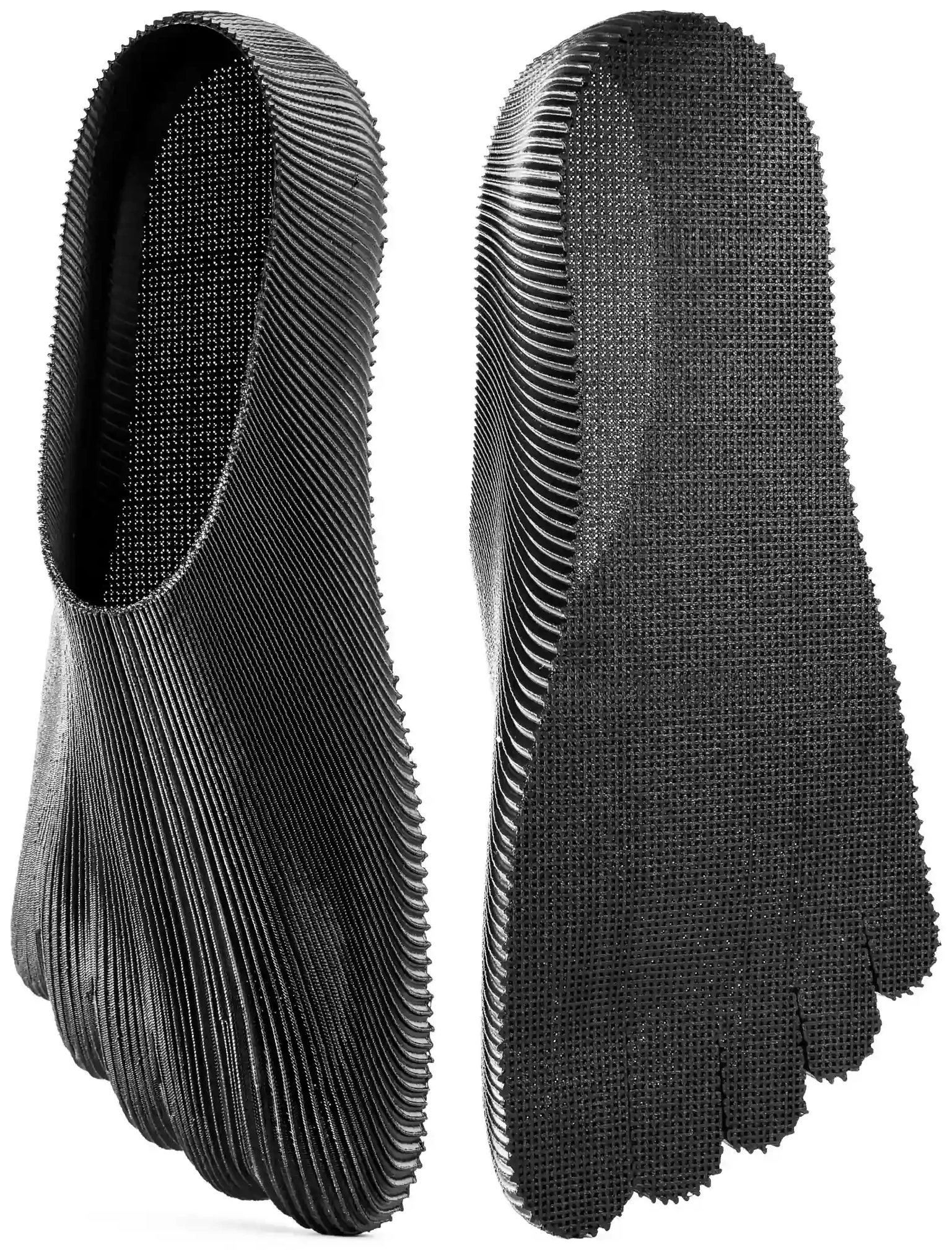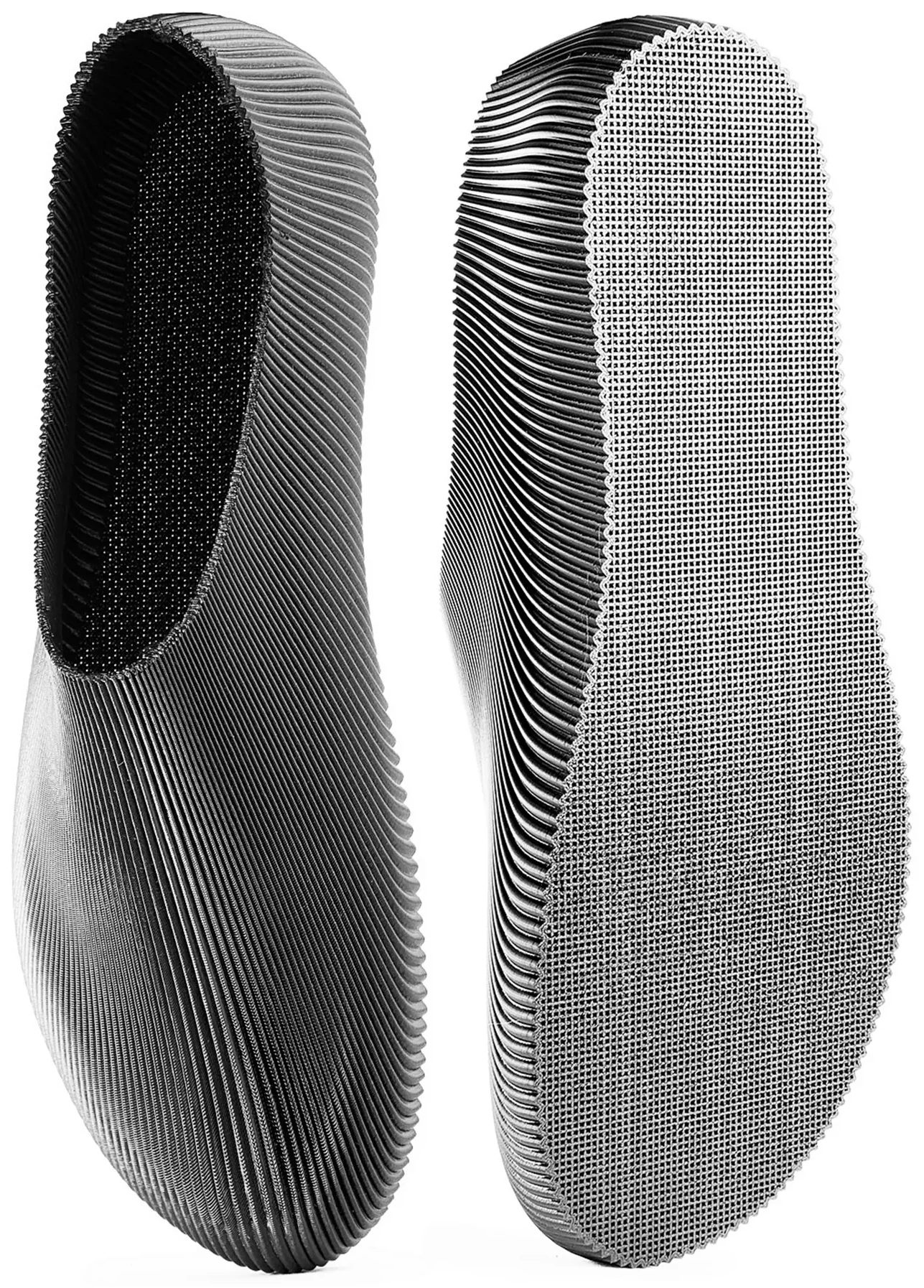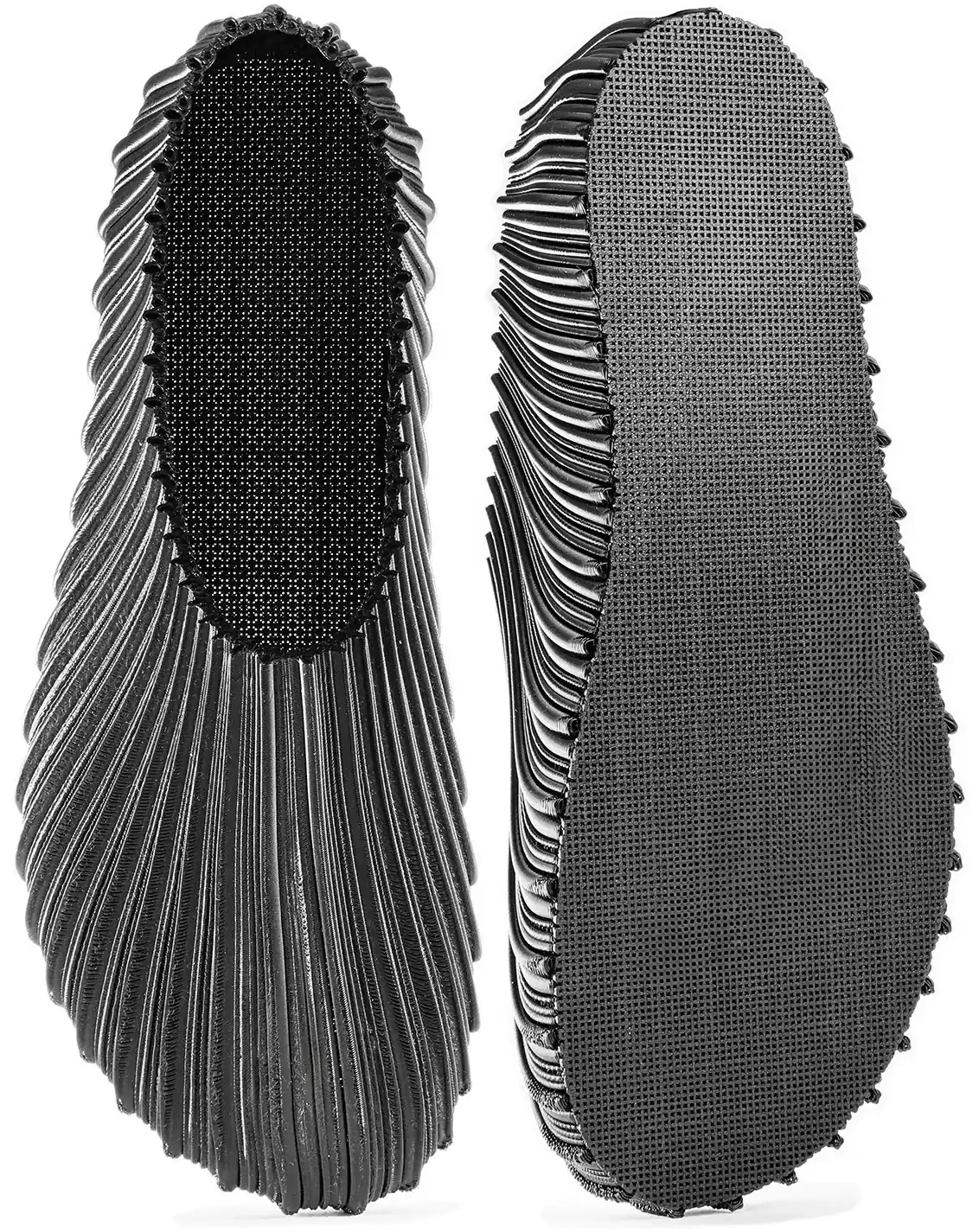
Sizing printed footwear should start from foot length, not from brand habits. Normal shoe sizes already vary between brands; a 3D printed shoe adds another variable because the material and structure affect how the shoe hugs the foot.
The common mistake is scaling a model as if it were a figurine. Scaling changes length, but it also changes wall thickness, openings, flex zones and sole behavior. A shoe that is simply scaled down can become too thin; one scaled up can become heavier or less precise.
That is why pre-sized files matter. Having EU sizes prepared means the geometry can keep its intended thickness and proportions. It also makes printing easier from Bambu Handy or a slicer because the user is choosing a size, not redesigning the shoe.
Toe room is intentional in barefoot-style shoes. A wide toe box may feel strange if you are used to narrow sneakers, but it lets the toes spread instead of being squeezed. Tightness at the front is usually a sign to re-check the size, not proof the concept failed.
The safest first fit is conservative: socks on, short standing test, short walk, then inspect pressure points. If the shoe is close but not perfect, material hardness and insole choice can matter as much as the size label.
Tora
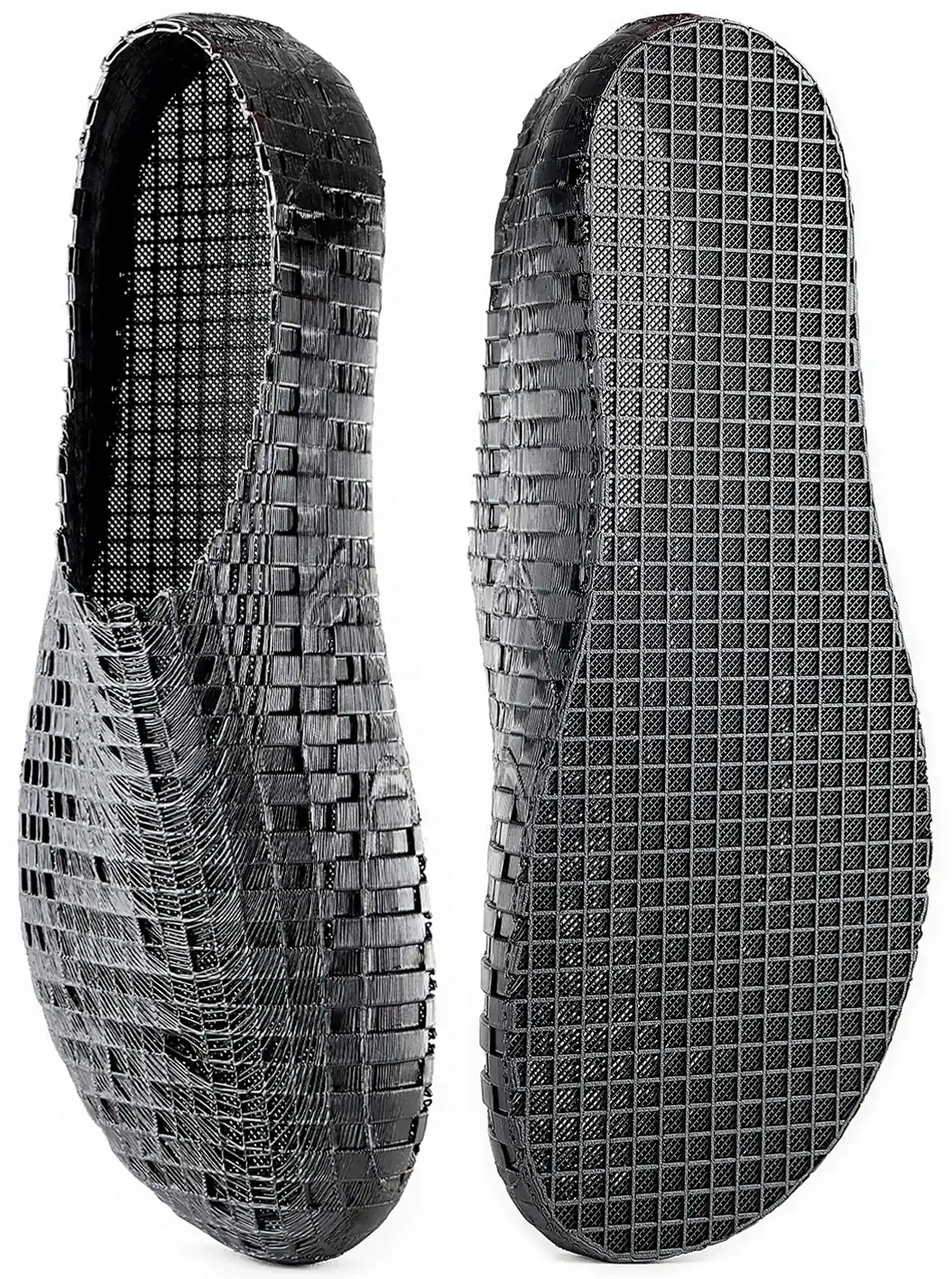
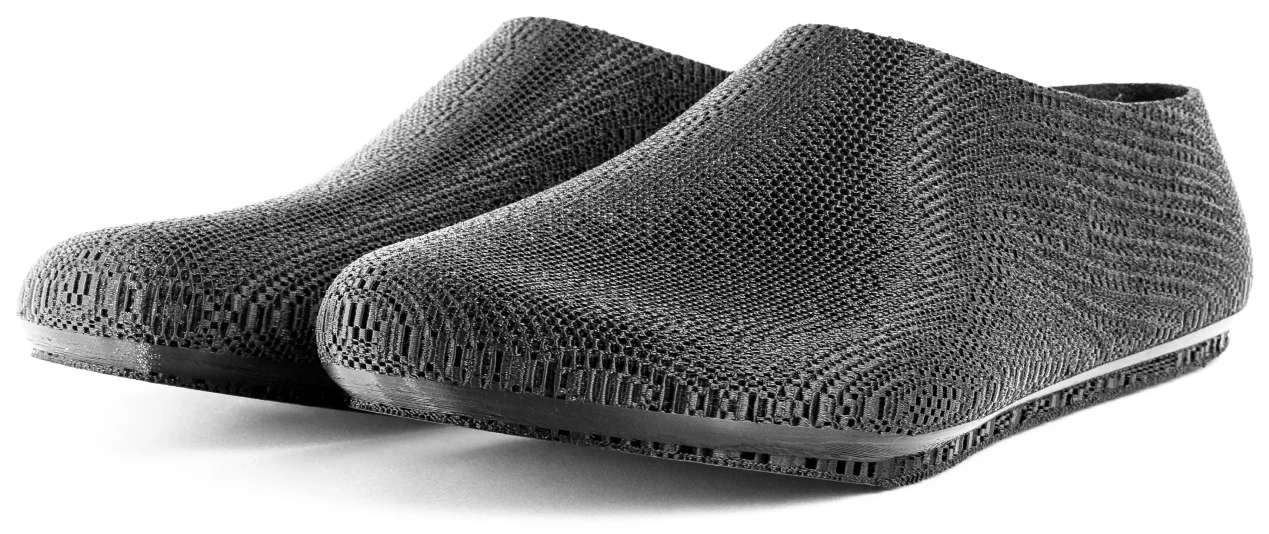
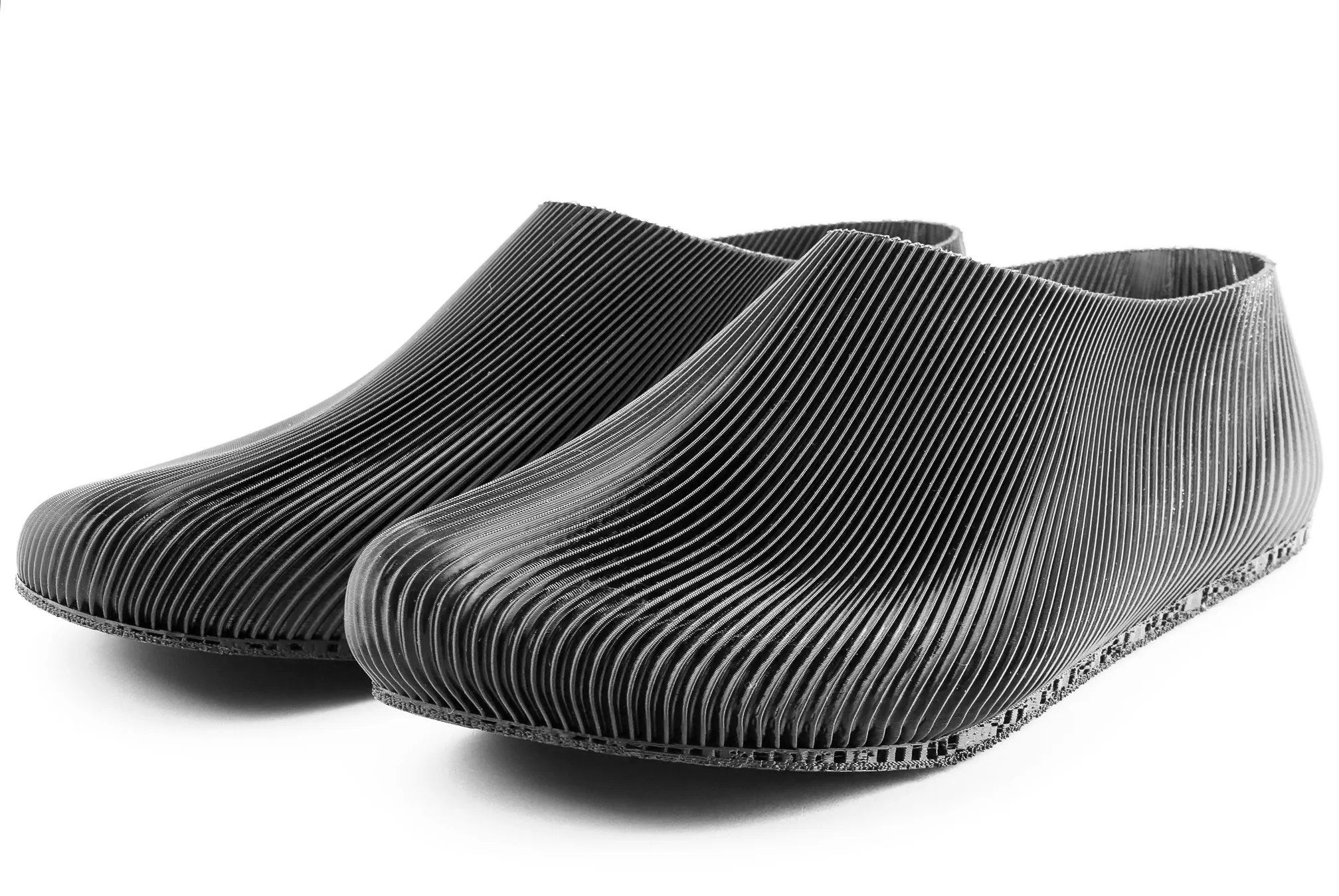
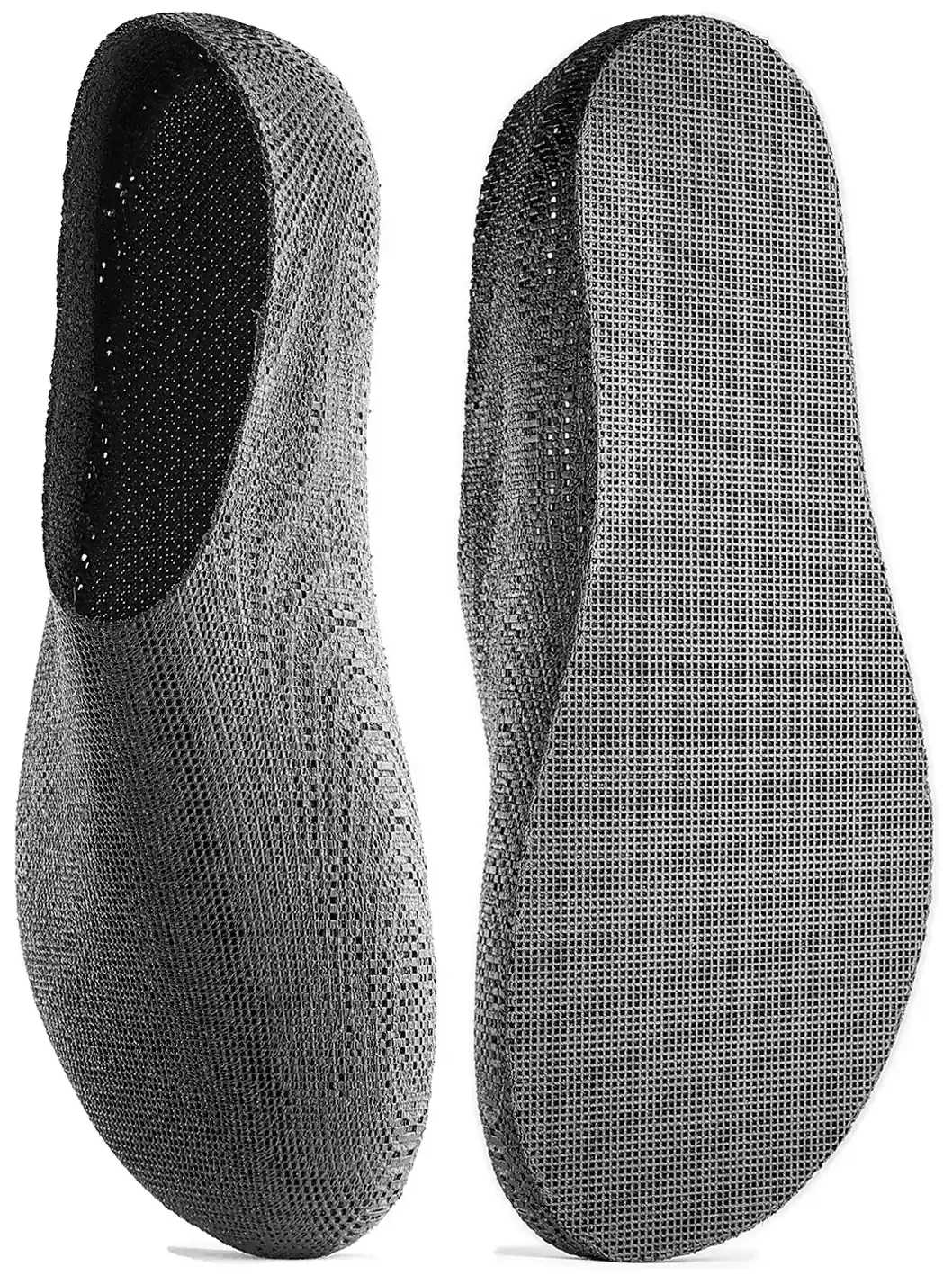
A barefoot River shoe on the simple flat-bottom base, using a small-grid print pattern for a light breathable structure and generous toe room.
View design