3D PRINTED SHOES
Best 3D printed shoes (2026): barefoot, soled, casual, sport
A curated shortlist of the best printable shoe files for home FDM printers — Tora, Taka, Waveform, CityStep and XAV01 grouped by use case.
Comfort, sizing, materials, airflow, filters and chocolate process — the details that change the final object before you print or buy it.
A curated shortlist of the best printable shoe files for home FDM printers — Tora, Taka, Waveform, CityStep and XAV01 grouped by use case.
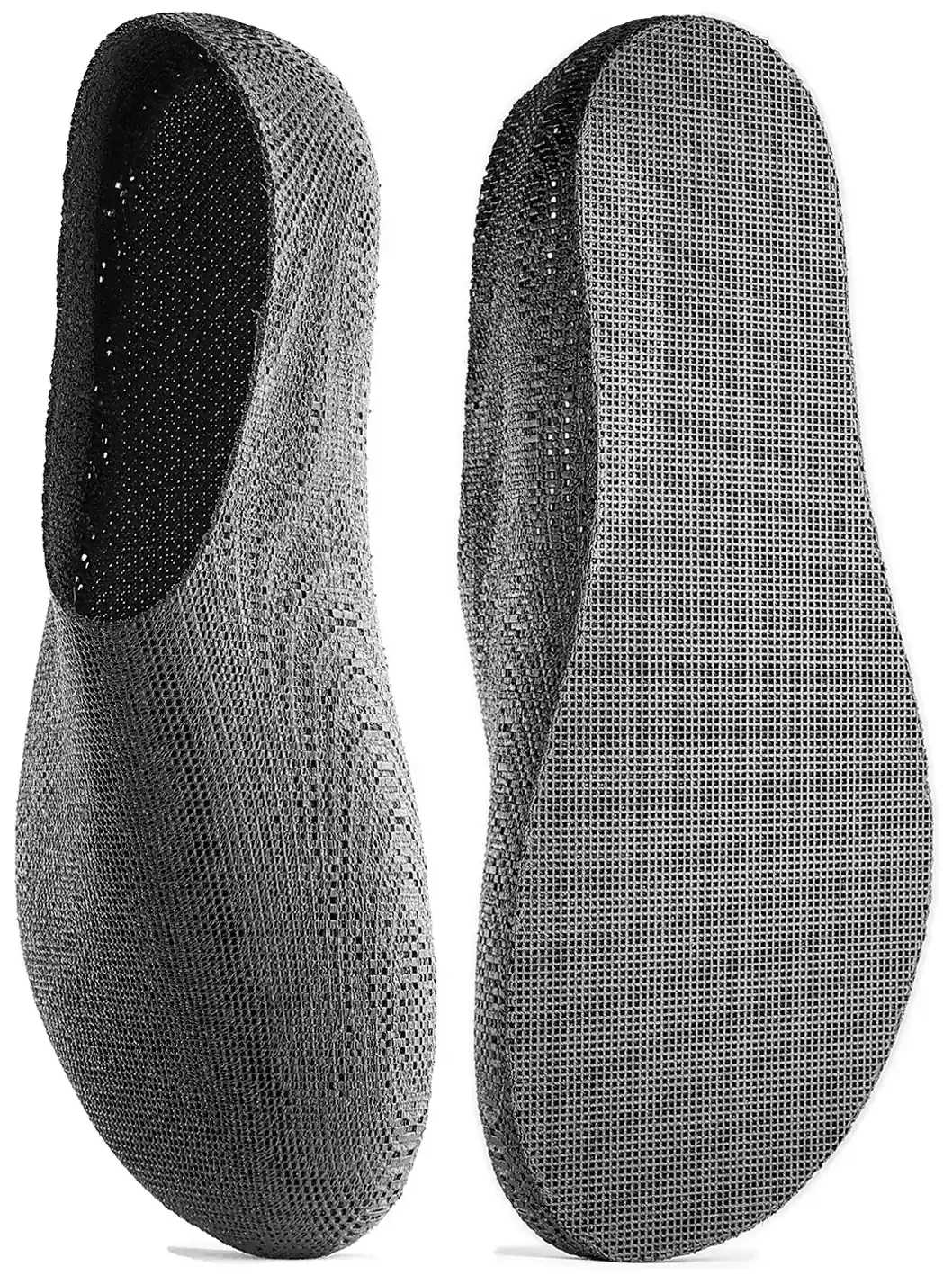
A barefoot River shoe on the simple flat-bottom base, using a small-grid print pattern for a light breathable structure and generous toe room.
The ready-to-wear side: Nike Air Max 1000, Basilisk, Syntilay scan-to-fit and River custom-fit options for makers who want to skip the printer.
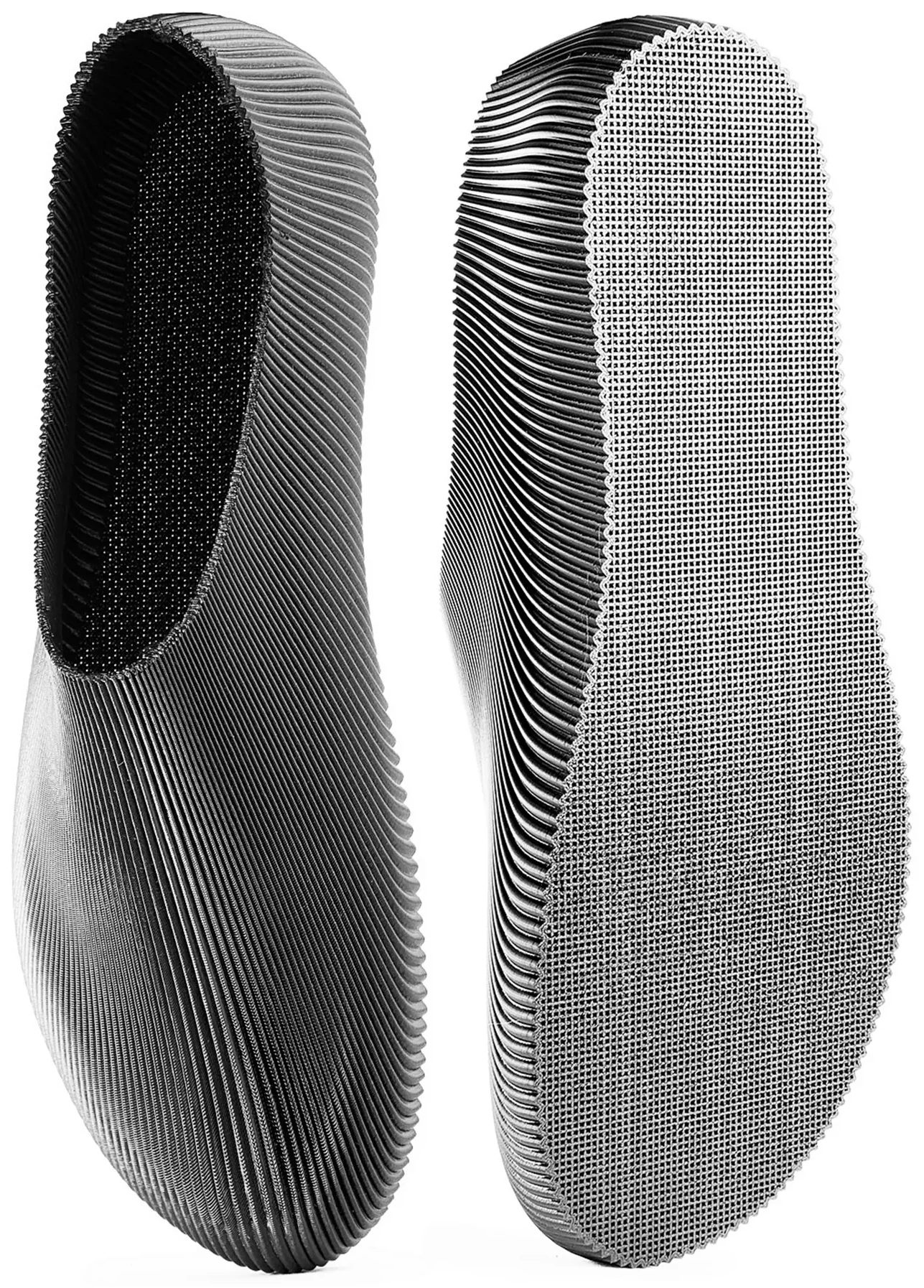
River's best barefoot pattern: smoother inside surface, wearable without socks. Available custom-fit from two foot photos.
The honest answer: they can be comfortable, but only when shape, TPU hardness, sizing and first-wear expectations all line up.
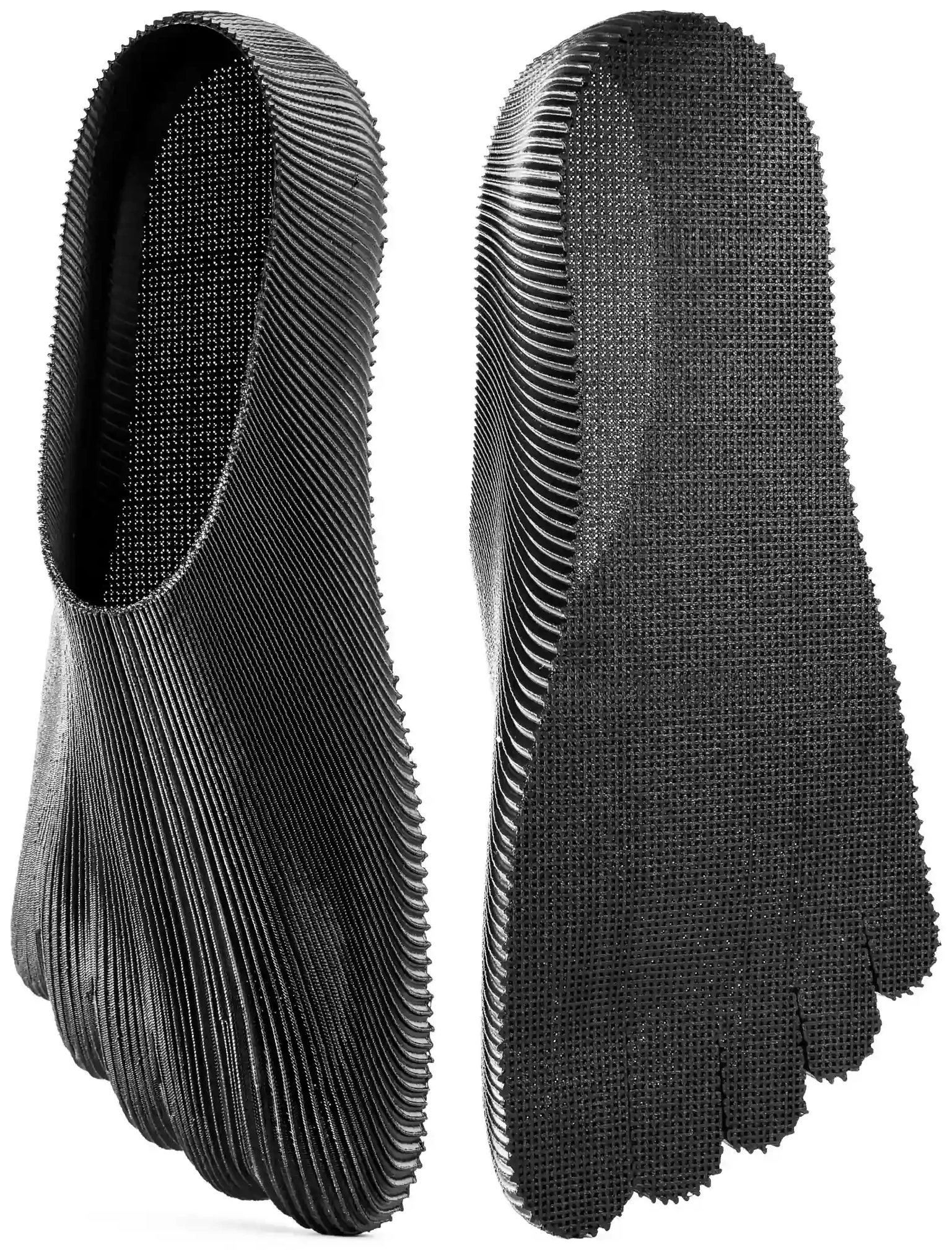
A barefoot River shoe with separated toes for more movement, using the same controlled wave-pattern idea as Onda: interleaved semicircular curves shaped around the foot.
A practical guide to softness, durability, print difficulty and why harder TPU can print well but feel worse.
River’s best barefoot pattern for comfort and durability: a smoother inside surface that can be worn without socks, generated from direct Grasshopper toolpaths with interleaved semicircular curves per layer.
The sole is not the weak point. Real failures happen on the upper's inside-front flex zone — here is how River reinforces it.
Reinforced flex zone, the longest-lasting River barefoot shoe.
The A1's single-gear extruder slips on soft TPU. The fix is a printed lever that pinches the filament between the two wheels — plus a low-friction path.
The easiest TPU shoe to test the upgraded A1 — simple geometry, most verified A1 maker prints in the River family.
The universal TPU rules across every Bambu printer: no AMS, no PTFE, low-friction spool, dry filament — plus the A1-specific extruder fix.
The most refined River barefoot shoe — perfect TPU 85A test print once your Bambu has the friction-free path set up.
Yes, but the result depends on TPU hardness, layer bonding, shoe geometry and how honestly the first pair is tested.
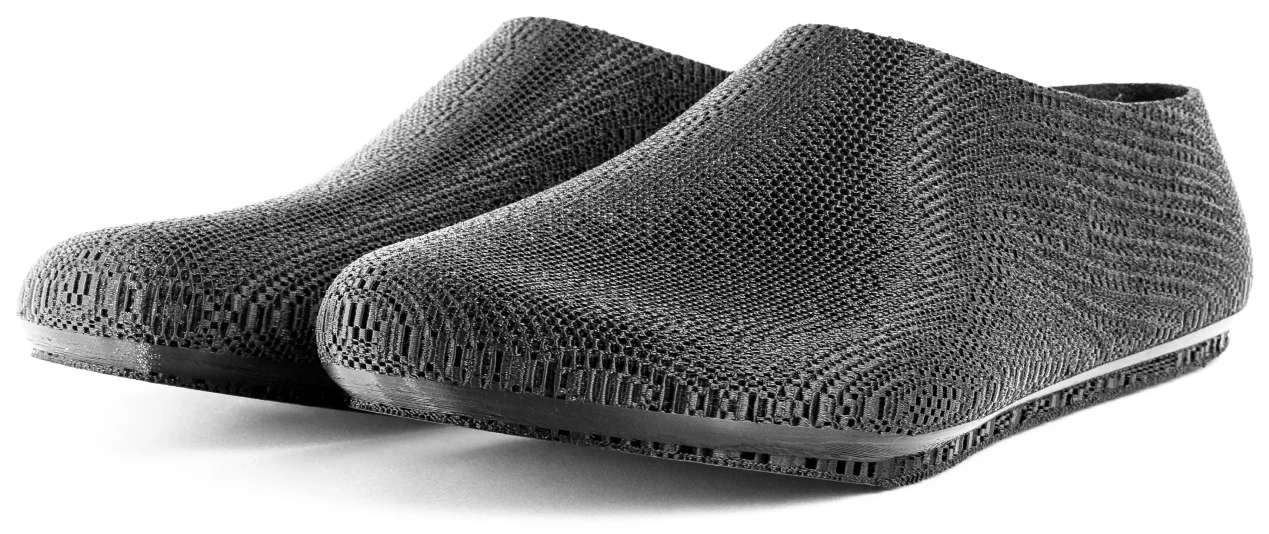
The thin-soled version of Tora: the same small-grid barefoot idea with a fine sole added for more ground protection while keeping the upper light and breathable.
Foot length, toe room, EU sizing, socks and why scaling a shoe file is not the same as choosing a size.
A barefoot River shoe on the simple flat-bottom base, using a small-grid print pattern for a light breathable structure and generous toe room.
PC fans, HEPA or activated carbon filters, printed frames and the practical choices people ask about first.
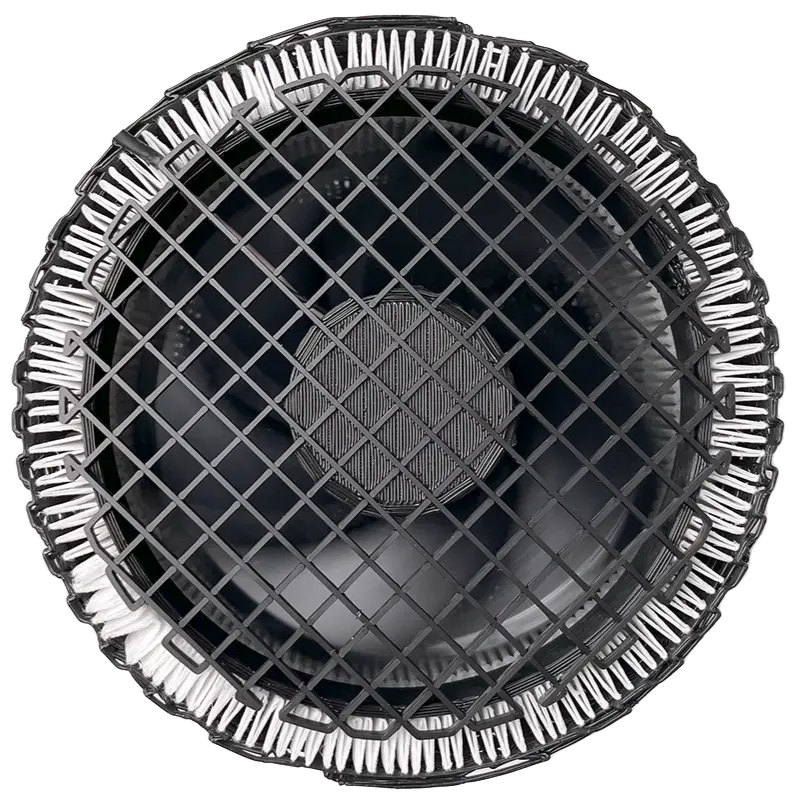
A quiet, USB-powered air purifier that just does its job. Cleaner room air from a printed object that actually looks like it belongs on the shelf — no humming appliance, no exposed electronics.
Fan size, filter fit, air leaks and maintenance decide whether a printed purifier is useful or only a good-looking shell.
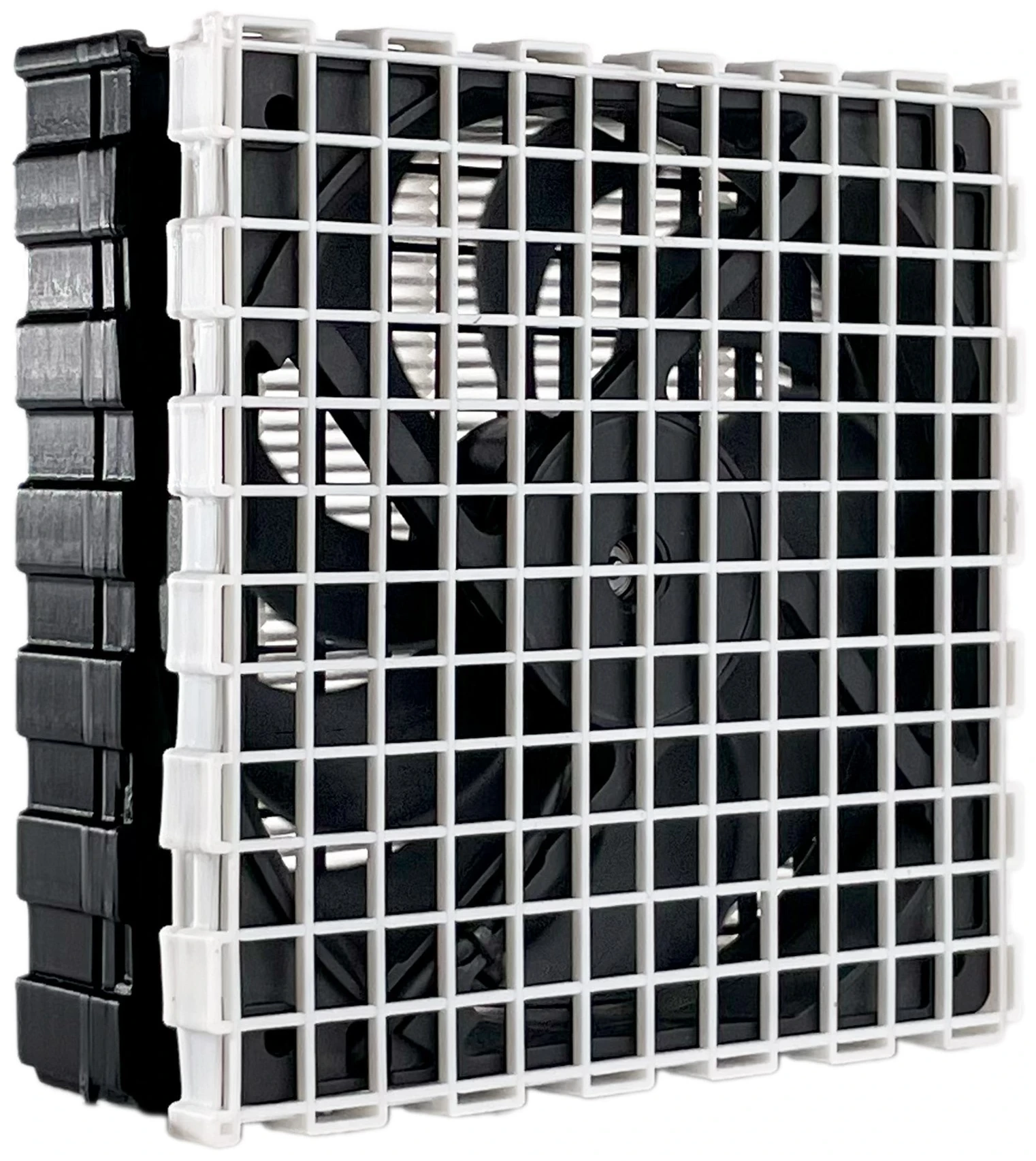
The fastest River purifier to build. Snap the printed shell onto a standard PC fan, drop in the HEPA, plug into USB — your room is already cleaner.
Particle filters and odor media do different jobs; trust starts with forcing air through the right layer.
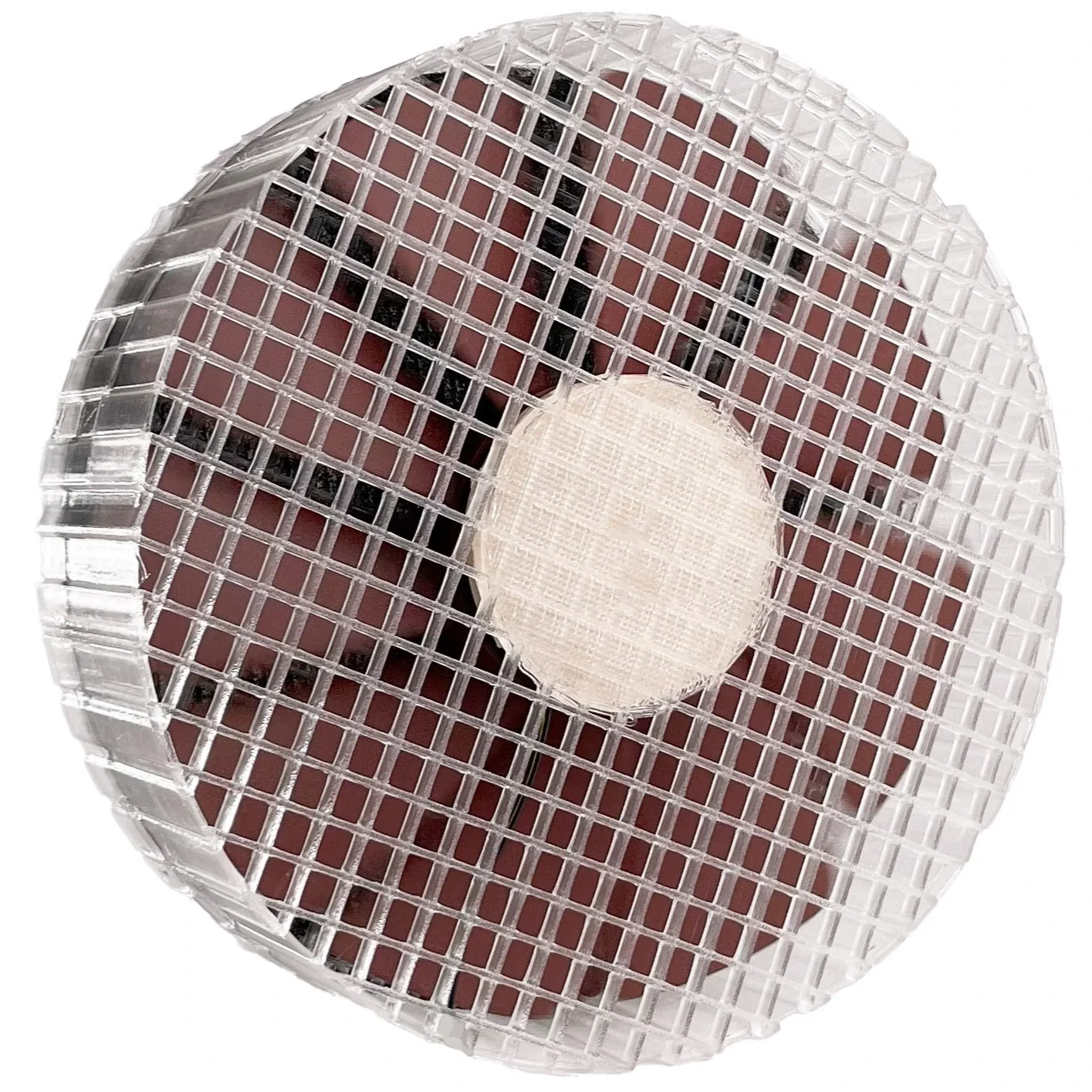
A flat disc you barely notice. Real airflow, quiet operation, and a soft printed silhouette that disappears into a shelf or a coffee table.
The questions makers ask first: can the fan be replaced, what does a smoke test prove, and why airflow should stay serviceable.
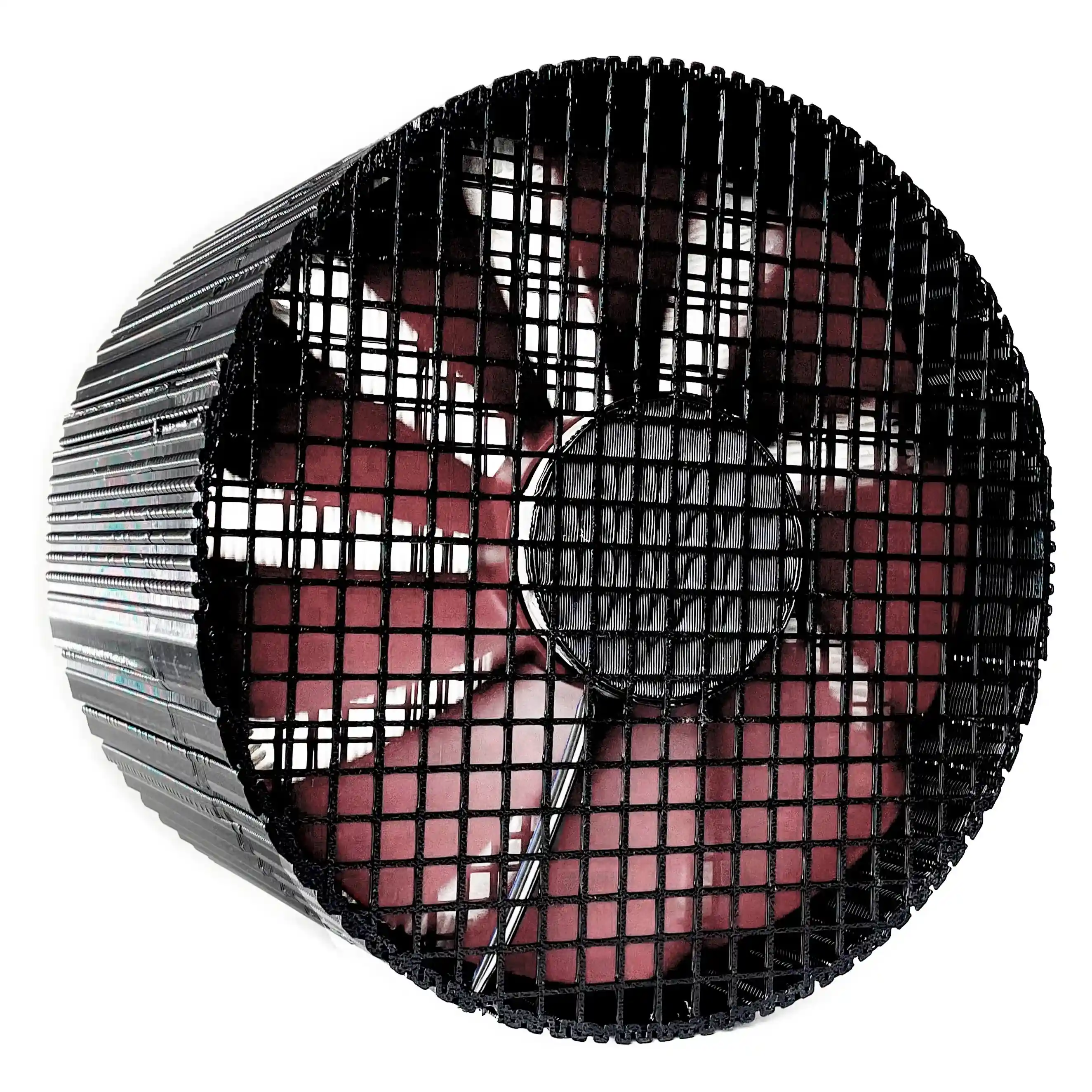
Serious airflow for a real room. River's biggest mover of clean air, in a long horizontal shape that sits naturally on a sideboard or under a TV.
How the fan ends up inside the printed body: G-code pauses, 20 mm+ PLA bridges, 0.6 mm layers with 1.2 mm line width, and grid infill with zero walls.
A quiet, USB-powered air purifier that just does its job. Cleaner room air from a printed object that actually looks like it belongs on the shelf — no humming appliance, no exposed electronics.
Fill the ice pack with water, freeze it overnight, then let Yuki move air around the cold pack for a cooler desk breeze.
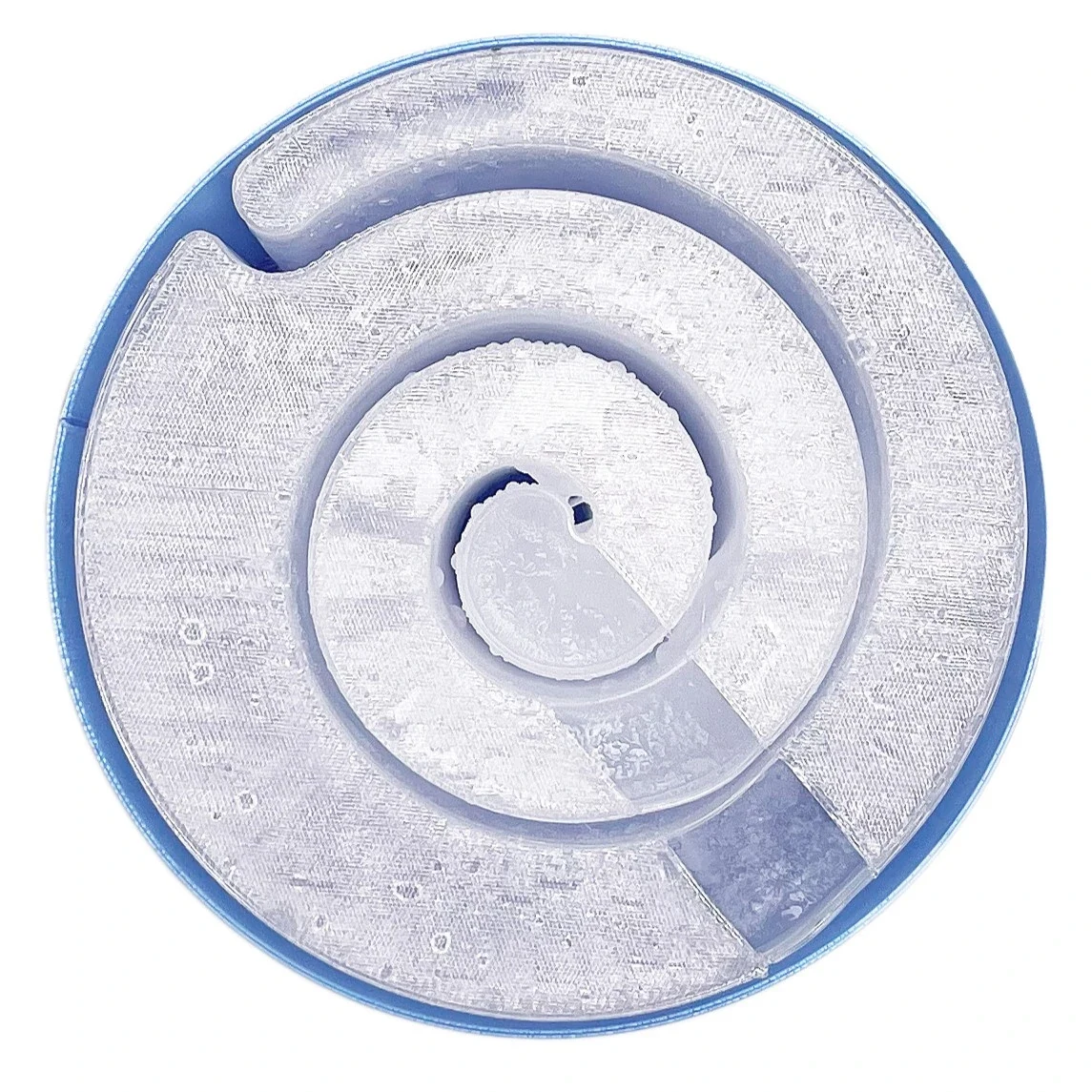
A full-size ice-pack air cooler built from printed parts, a quiet USB fan and a frozen water pack. Freeze the pack overnight, place it inside, and Yuki sends a steady cooler stream across the desk with very low power use.
Ice can cool the air near a desk, but it is not an air conditioner. Distance, airflow, ice mass and room expectations matter.
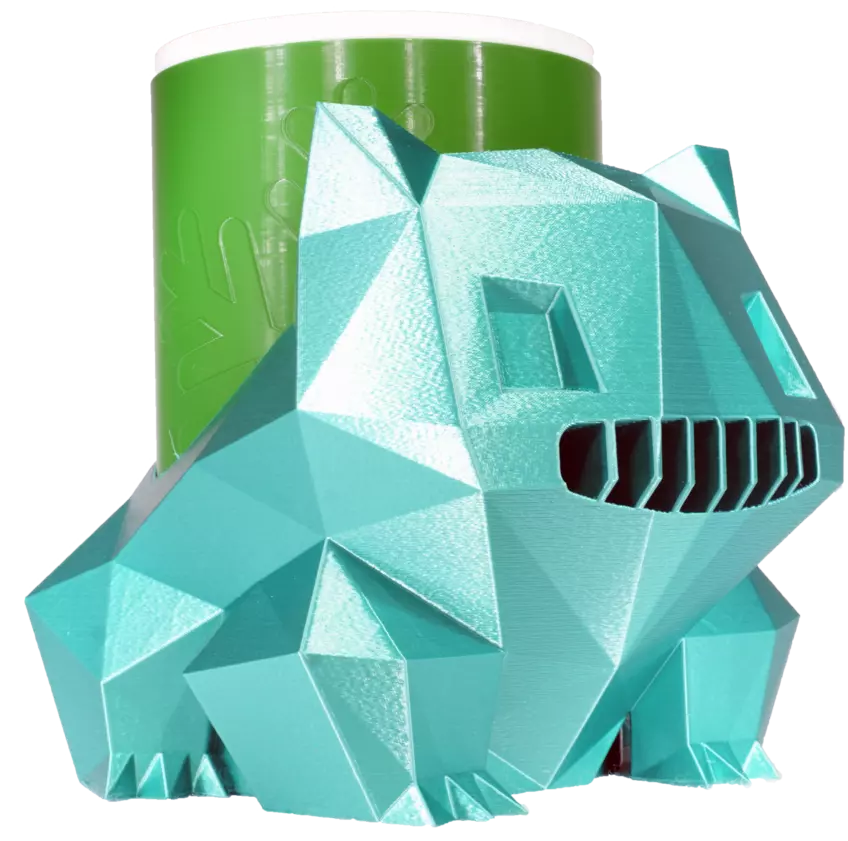
A playful Bulbasaur-style ice air cooler shell: the Yuki frozen ice-pack airflow idea turned into a characterful low-energy desk object.
A small fan, a frozen pack and a printed body can make a close personal breeze colder without pretending to cool the whole room.
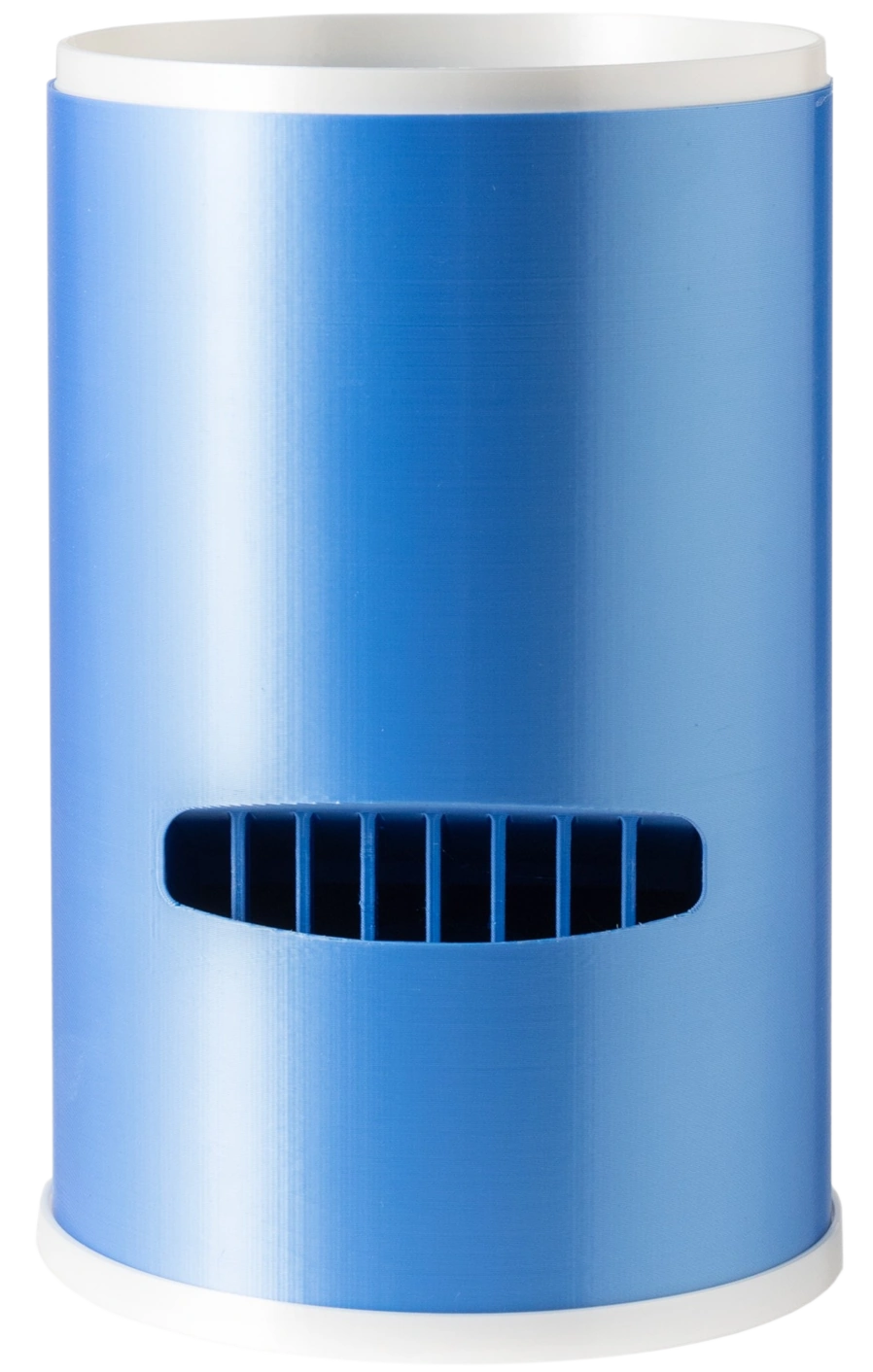
A compact personal cooler for desks and small rooms: printed PLA parts, a quiet USB fan and a frozen water pack or bottle. It gives a close, steady stream of cooler, drier air without a compressor or refrigerant loop.
The larger Yuki air coolers use direct Cura-generated and Python-refined G-code so the internal overhang prints cleaner than a normal model workflow.
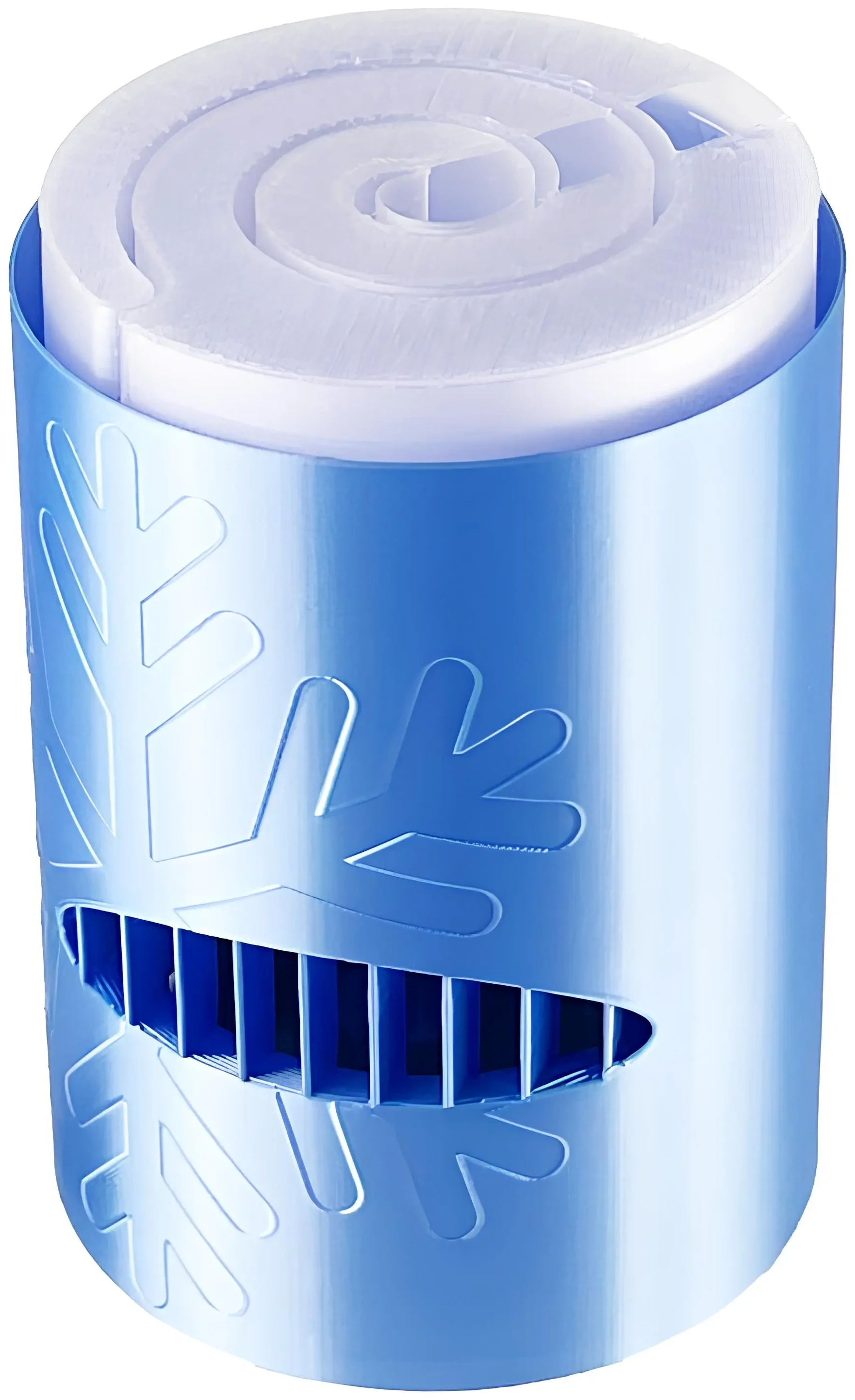
The snowflake full-size Yuki: the same low-energy frozen-pack airflow in a more decorative shell, shared as refined G-code for cleaner internal overhangs.
The top opens for filling, the lower grid keeps the media in place, and continuous print paths reduce micro-stringing in the water route.
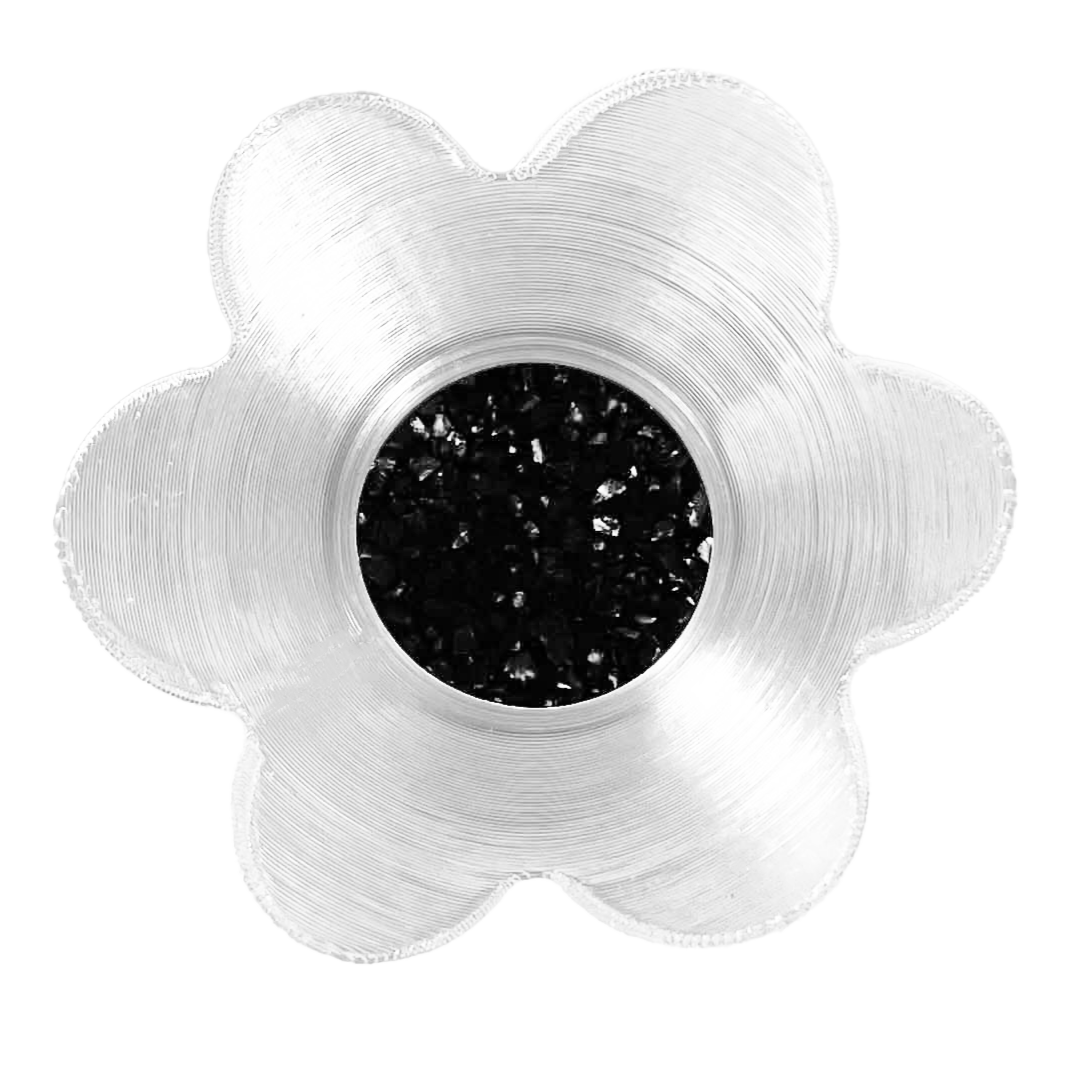
A polypropylene tap water filter for activated carbon. The flower-like top opens for filling, the body attaches to standard taps, and the bottom grid holds carbon while water passes through. Joined G-code keeps the water path cleaner by reducing micro-stringing.
Jem uses polypropylene, a tap-mounted water path and joined G-code sections so the print can stay watertight and clean with very different geometry in one object.
A polypropylene tap water filter for activated carbon. The flower-like top opens for filling, the body attaches to standard taps, and the bottom grid holds carbon while water passes through. Joined G-code keeps the water path cleaner by reducing micro-stringing.
A practical PCTG filter used beside the tap: remove the cap, hold it under running water and fill a glass through the body.
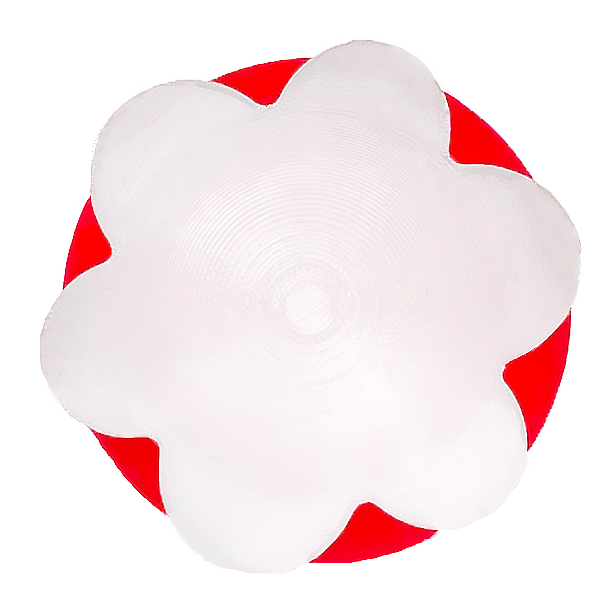
A handheld PCTG water filter used beside the tap: remove the protective cap, hold the body under running water with one hand, and fill a glass below with the other. Food-safe, chemically resistant and practical.
Three Cura-generated toolpaths, different print parameters and a manual join: how River keeps bottle prints continuous and cleaner.
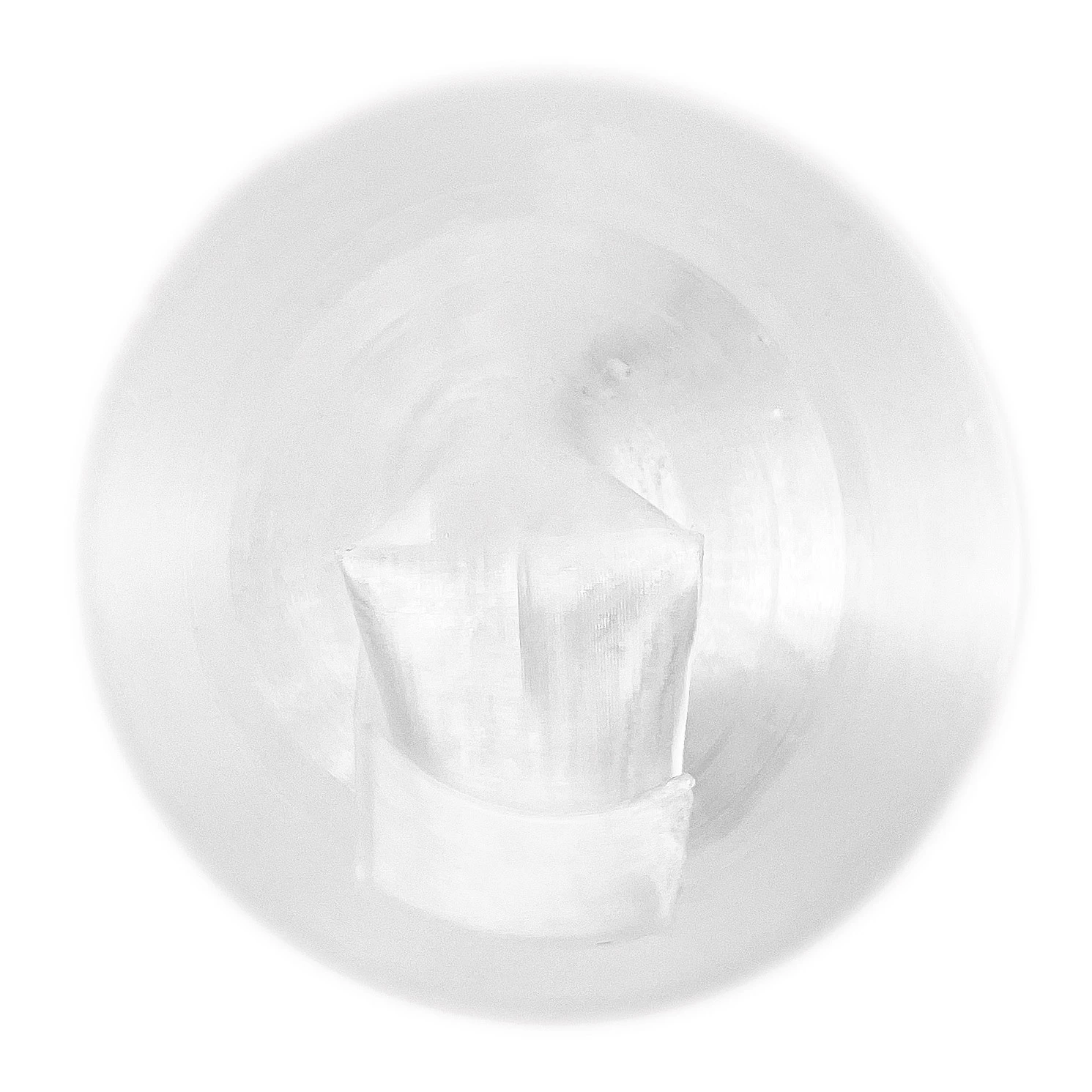
A simple polypropylene bottle printed from joined Cura G-code sections. Its folding cap becomes the seal: when the cap bends into position, water stops coming out.
Bruk and Baum are polypropylene bottles printed from joined G-code sections so each zone can use the settings it needs.
A simple polypropylene bottle printed from joined Cura G-code sections. Its folding cap becomes the seal: when the cap bends into position, water stops coming out.
Shiro, Amara, Stop, Fragile and Tato are about simple ingredient ratios first: milk, cacao, coconut milk and cocoa butter.
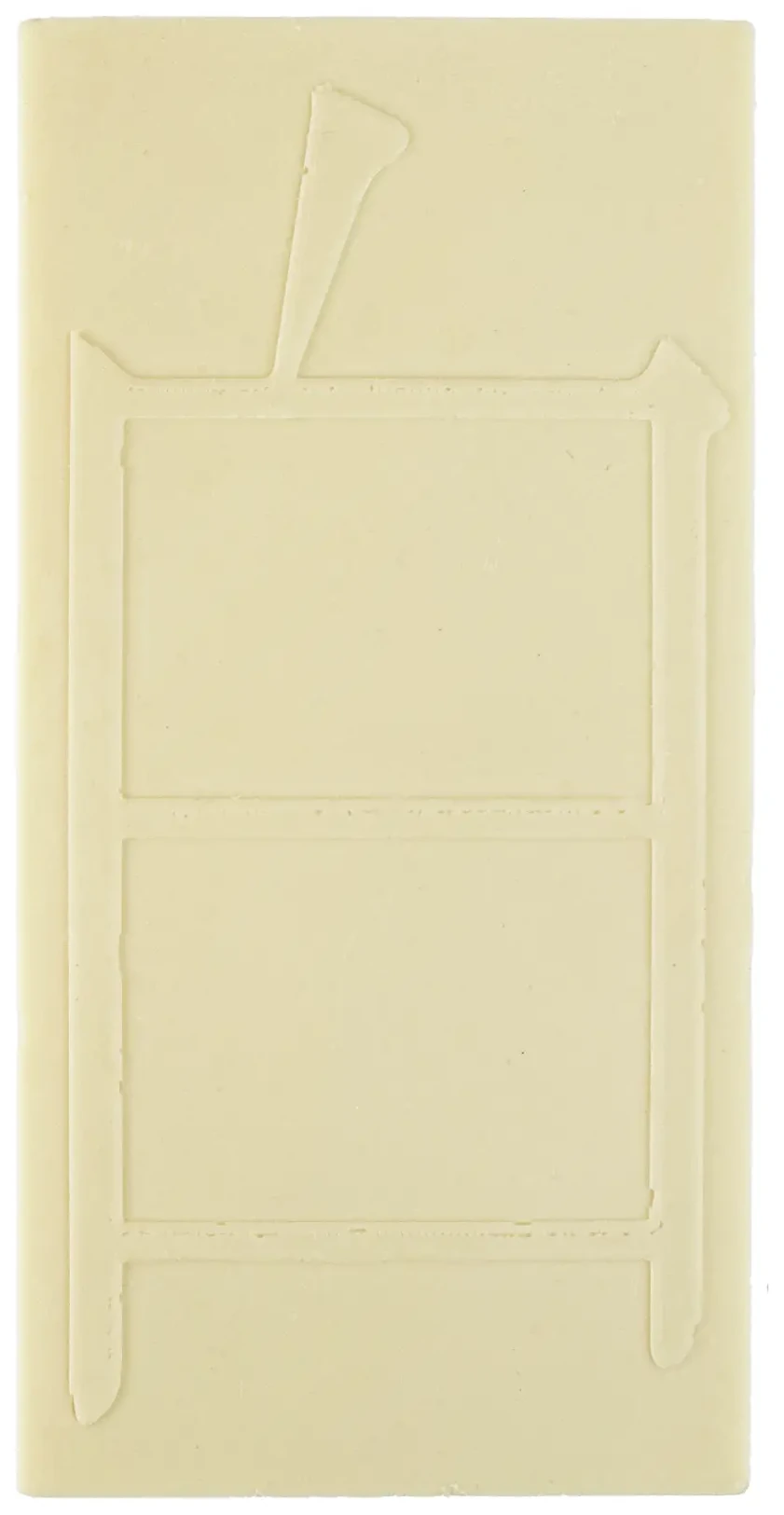
A white cacao-butter bar with only two ingredients and no added sugar: 2/3 milk powder and 1/3 cocoa butter. Creamy, minimal and naturally more paste-like than sugary white bars.
A thin paper-and-cardboard package lowers shipping volume and material use instead of adding bulky protection around a thin bar.
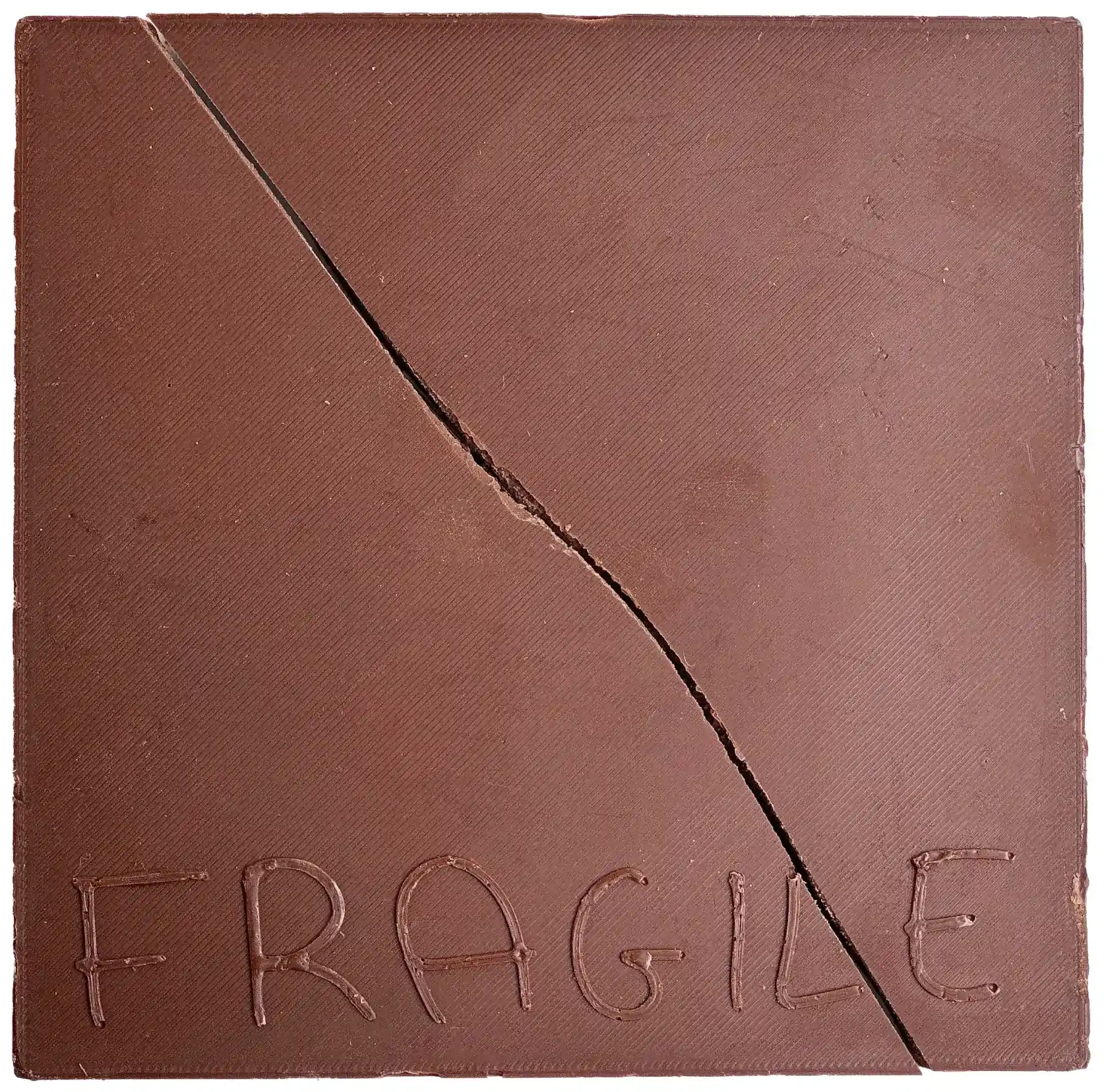
A three-ingredient cacao bar with no added sugar, designed to arrive broken on purpose. Fragile turns a shipping problem into the format: thinner packaging, less waste and pieces that are meant to be shared.
The question was texture: cacao needed body and natural lactose sweetness, not a separate sweetener.
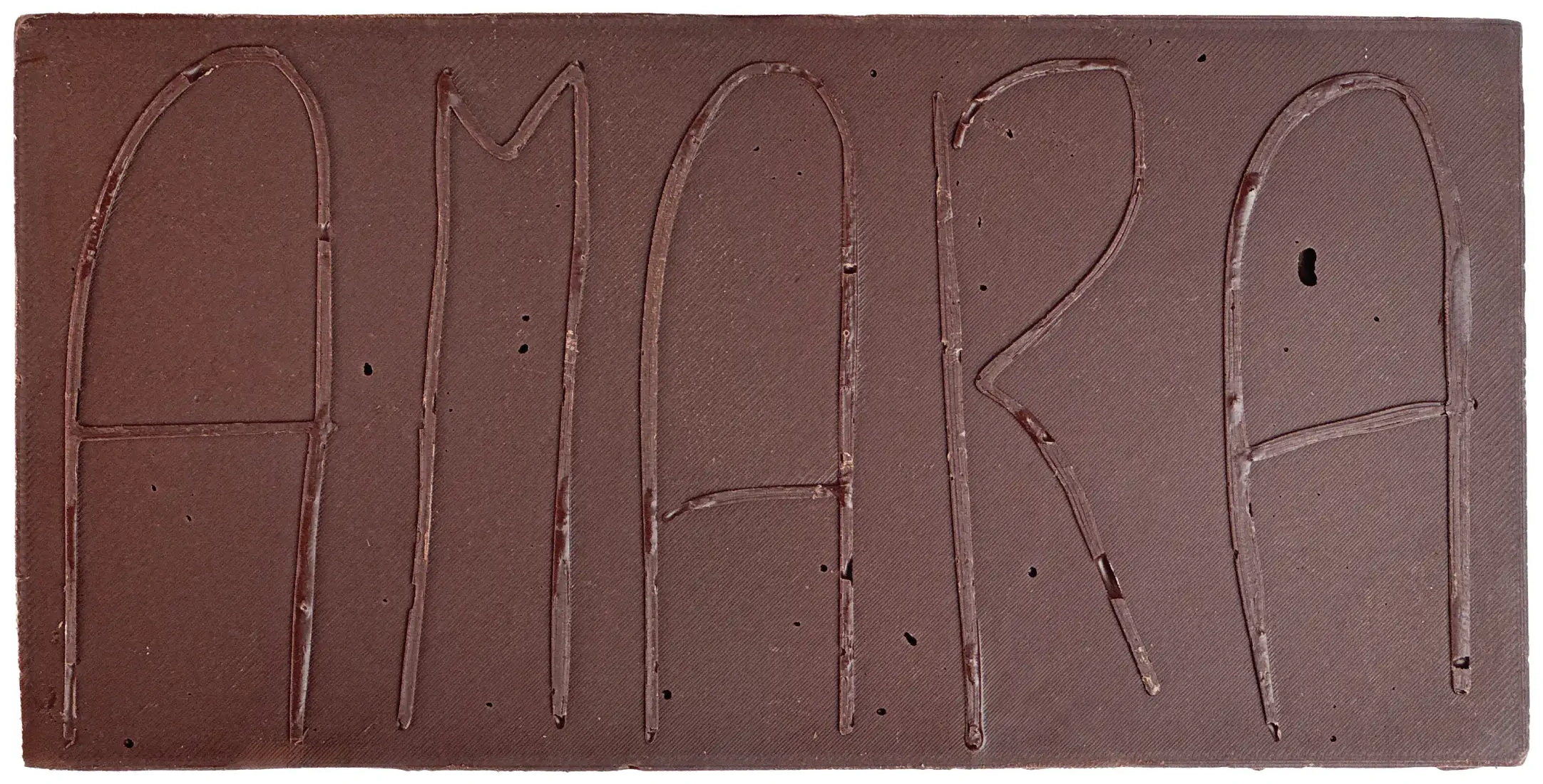
A bitter milk-cacao bar for people who like dark profiles: 2/3 cacao and 1/3 milk powder, with no added sugar. It lands close to an 80% dark character, but the softening ingredient is milk, not plain sugar.
Stop was the first River bar: vegan, bitter, fatty enough to melt cleanly, and shaped around the same 62/38 balance as the recipe.
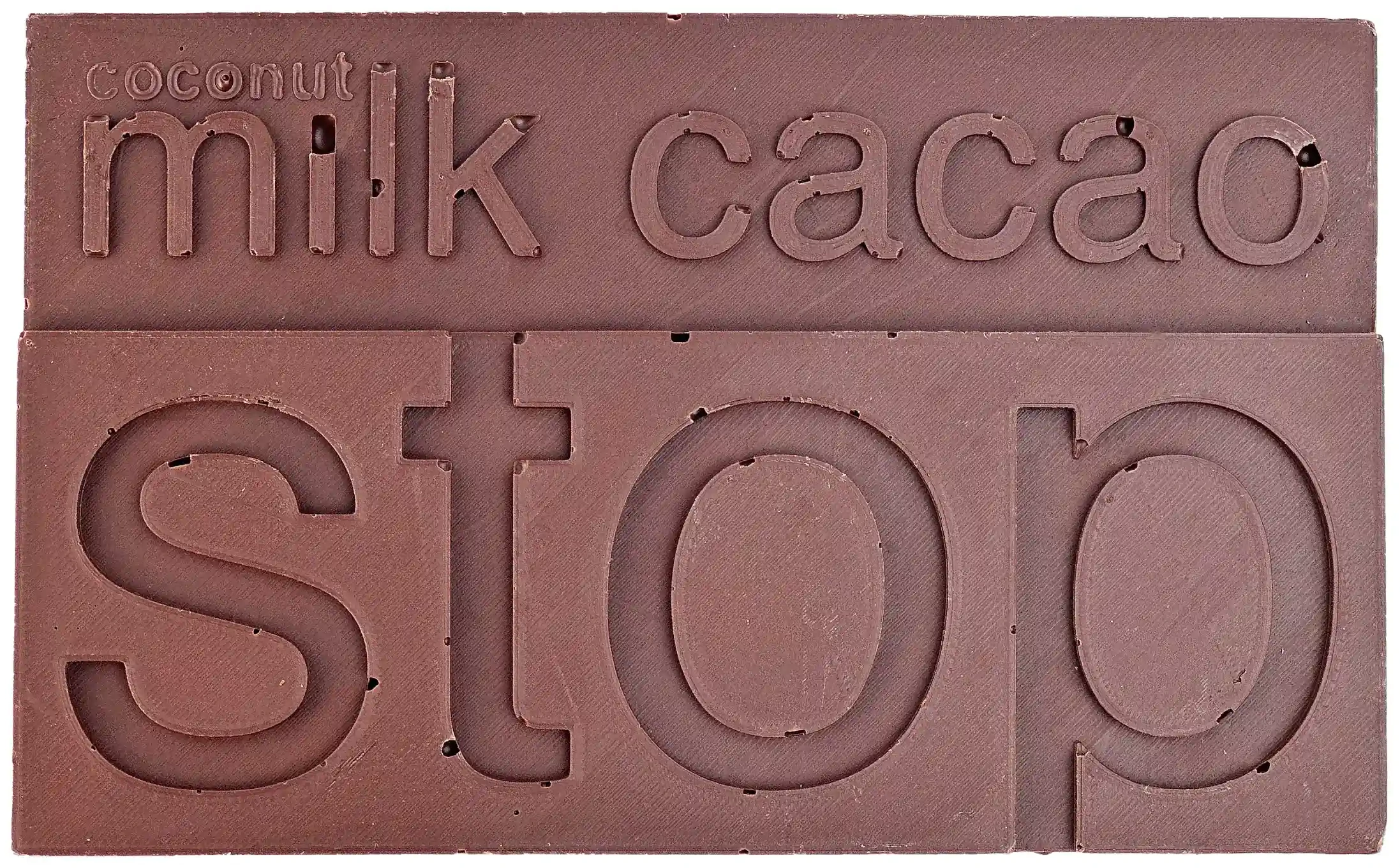
The first standalone River cacao bar: vegan, bitter and built around 62% cacao with 38% coconut milk powder. The same rounded 62/38 proportion shapes the bar, while the coconut fat gives it a clean melt-in-the-mouth texture.
Two small airflow bodies, two slicing workflows: Dado and Dome show how clean fan housings depend on orientation, overhangs and printer-specific choices.
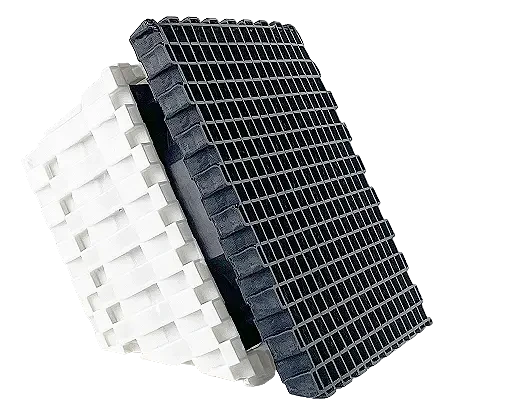
A printable desk fan that adapts to your setup. Roll it onto a different face and the angle changes — no screws, no fiddling. Snaps onto any standard PC fan in seconds.