3D PRINTED SHOES
Are 3D printed shoes actually comfortable?
The honest answer: they can be comfortable, but only when shape, TPU hardness, sizing and first-wear expectations all line up.
The honest answer: they can be comfortable, but only when shape, TPU hardness, sizing and first-wear expectations all line up.
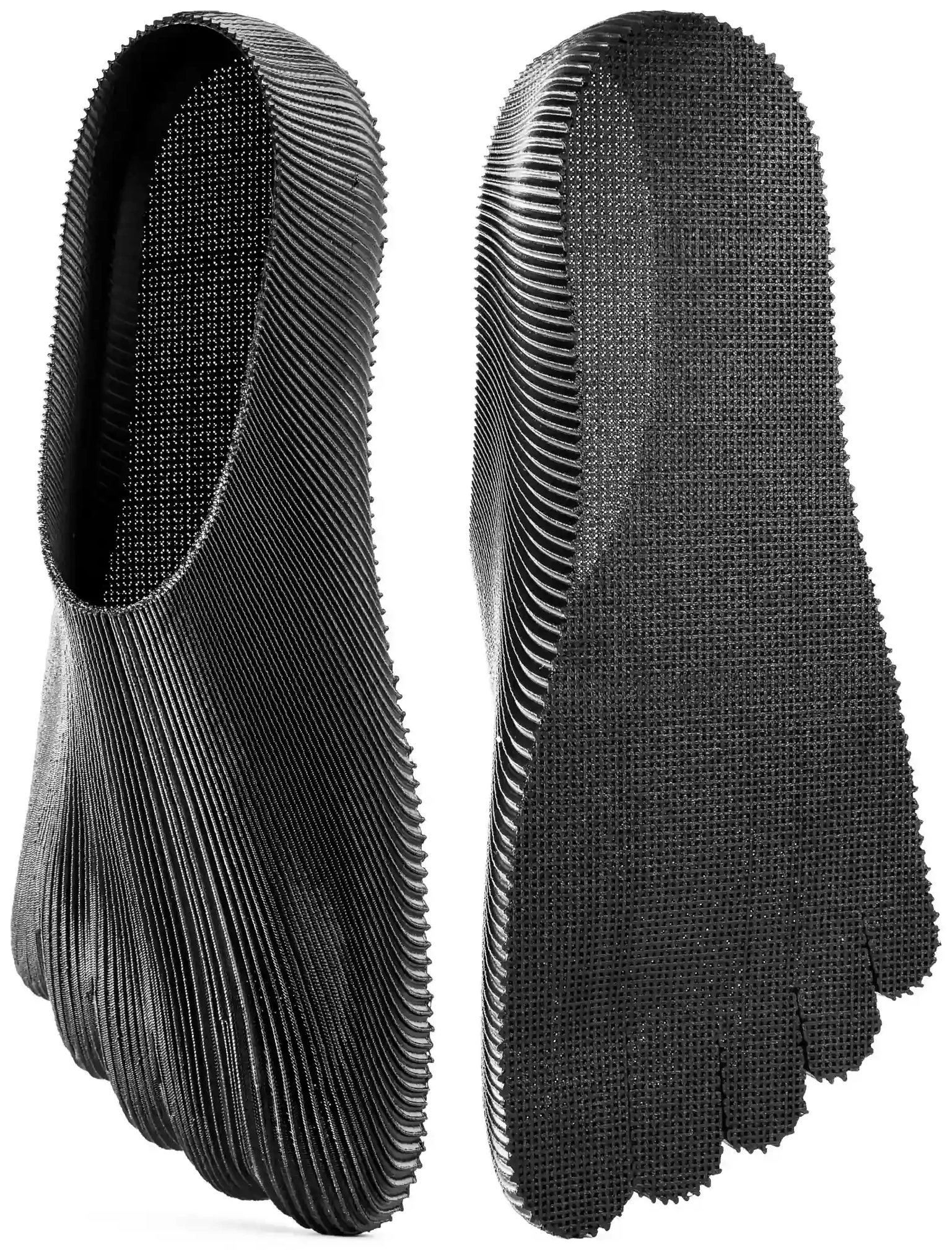
A barefoot River shoe with separated toes for more movement, using the same controlled wave-pattern idea as Onda: interleaved semicircular curves shaped around the foot.
A practical guide to softness, durability, print difficulty and why harder TPU can print well but feel worse.
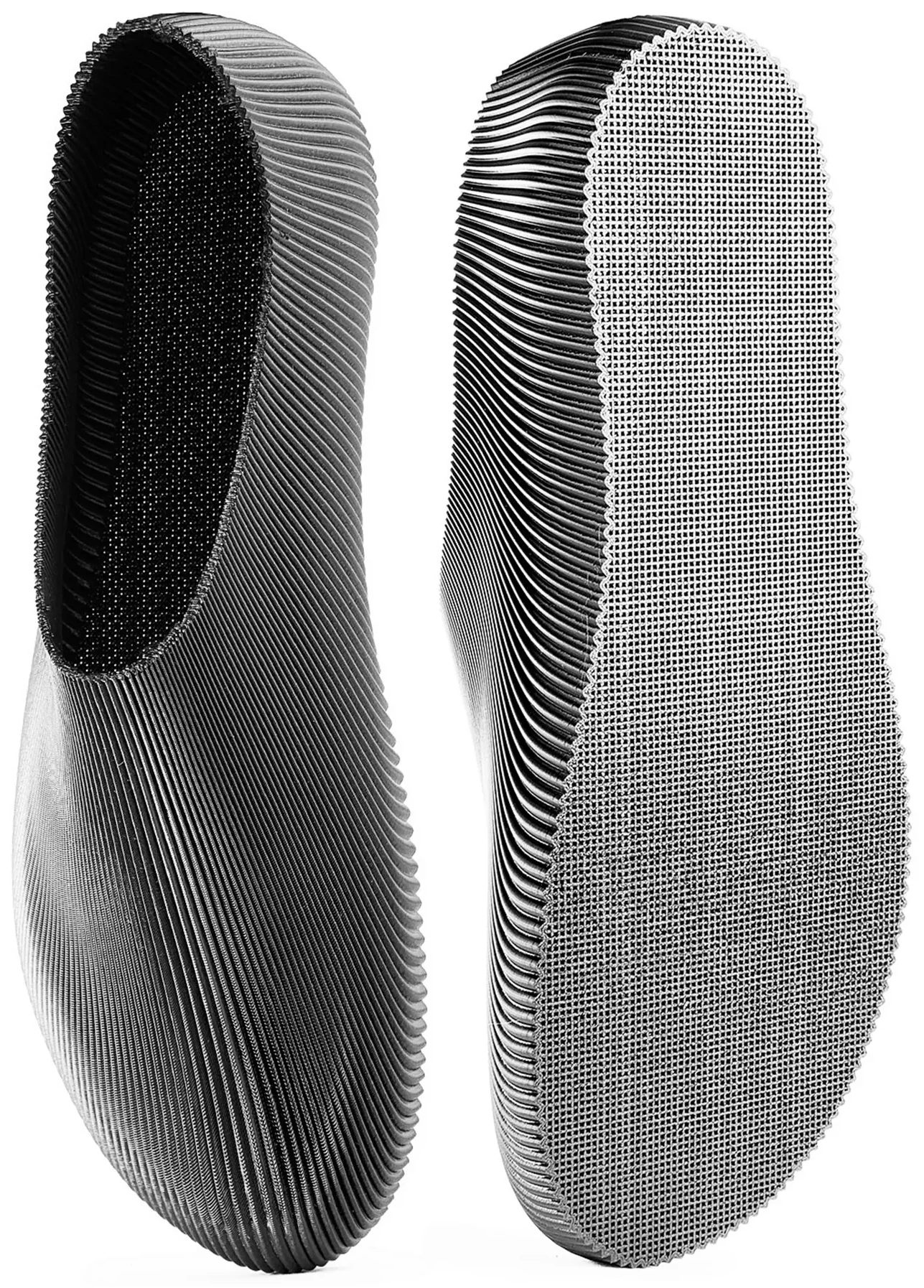
River’s best barefoot pattern for comfort and durability: a smoother inside surface that can be worn without socks, generated from direct Grasshopper toolpaths with interleaved semicircular curves per layer.
Yes, but the result depends on TPU hardness, layer bonding, shoe geometry and how honestly the first pair is tested.
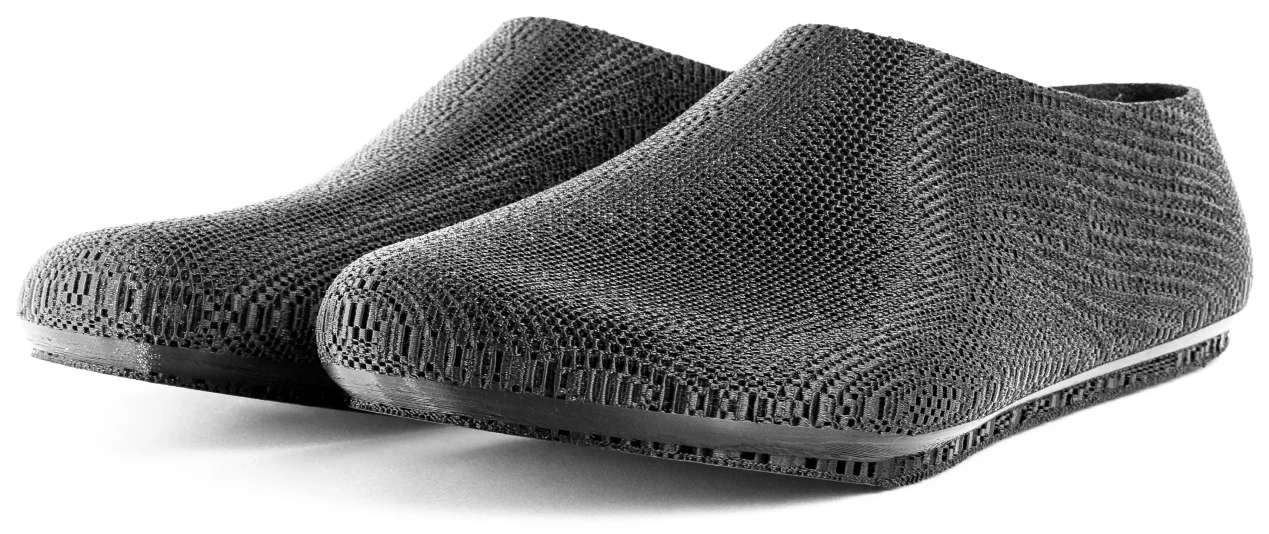
The thin-soled version of Tora: the same small-grid barefoot idea with a fine sole added for more ground protection while keeping the upper light and breathable.
Foot length, toe room, EU sizing, socks and why scaling a shoe file is not the same as choosing a size.
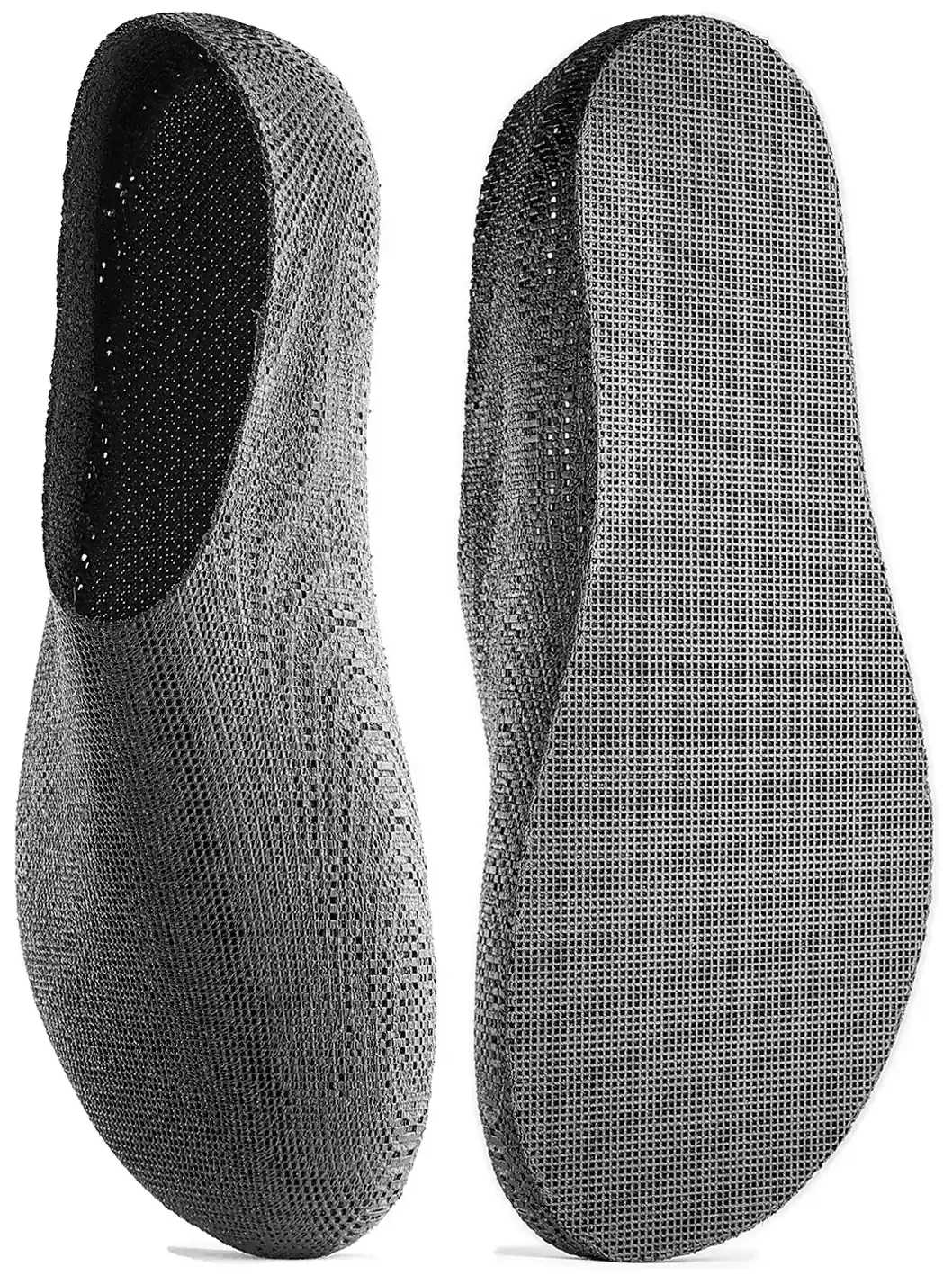
A barefoot River shoe on the simple flat-bottom base, using a small-grid print pattern for a light breathable structure and generous toe room.
The paid custom flow uses one top view of both feet and one side-profile photo of one foot so the shoe geometry can be adjusted manually around a real foot.
A barefoot River shoe with separated toes for more movement, using the same controlled wave-pattern idea as Onda: interleaved semicircular curves shaped around the foot.
The grip question comes up constantly. Here is the realistic difference between TPU texture, dry floors, wet tile and adding a thin sole.
The thin-soled version of Tora: the same small-grid barefoot idea with a fine sole added for more ground protection while keeping the upper light and breathable.
Why River shoes do not feel like narrow sneakers, and why toe room changes the whole first impression.
A barefoot River shoe on the simple flat-bottom base, using a small-grid print pattern for a light breathable structure and generous toe room.
Tora, G1, Riku, Onda, Eros and Toe share a simple flat-bottom base. The real difference comes from the pattern printed into it.
River’s best barefoot pattern for comfort and durability: a smoother inside surface that can be worn without socks, generated from direct Grasshopper toolpaths with interleaved semicircular curves per layer.
G0 and Mirai use the same barefoot grid logic as the other flat-base shoes, but a 45 degree print angle changes the structure and the visible pattern.
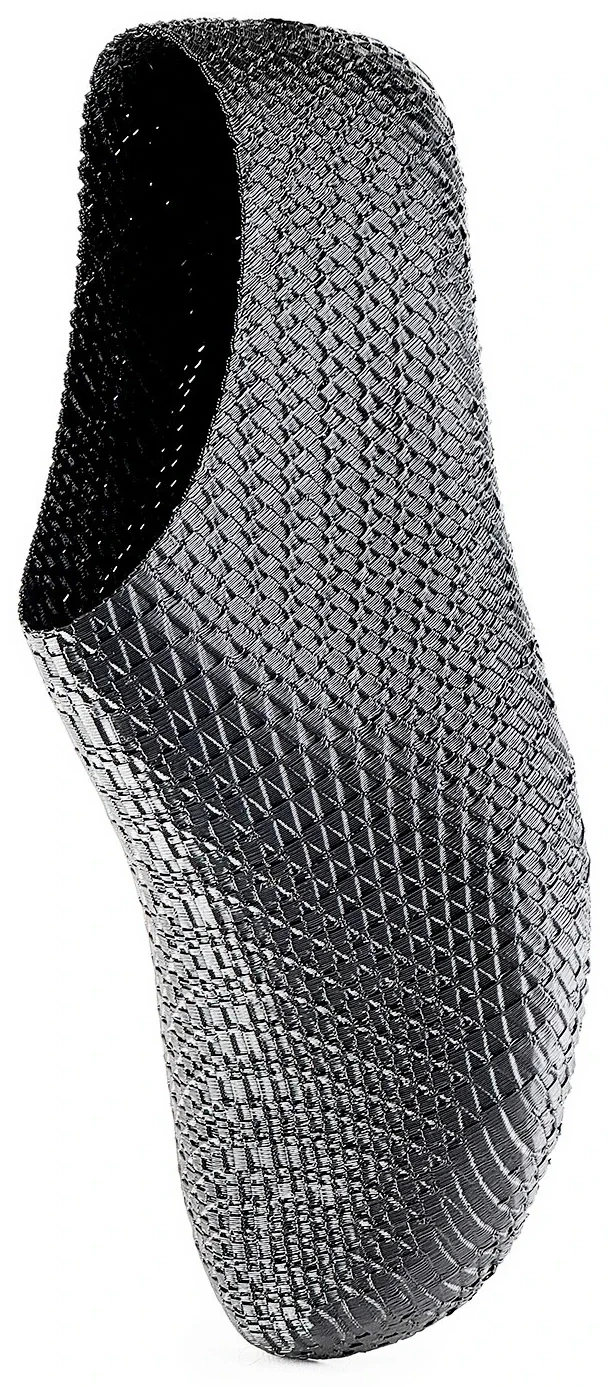
A barefoot River shoe with the same grid pattern and base logic as the other flat-bottom models, printed at 45 degrees with the toe pointing down. That orientation makes the structure a little more closed than Tora or G1 and changes how the same slicing pattern appears on the shoe.
Aspys and E7 print as a mirrored pair joined at the collar, then separate with scissors, so the thin vertical collar area can support itself during printing.
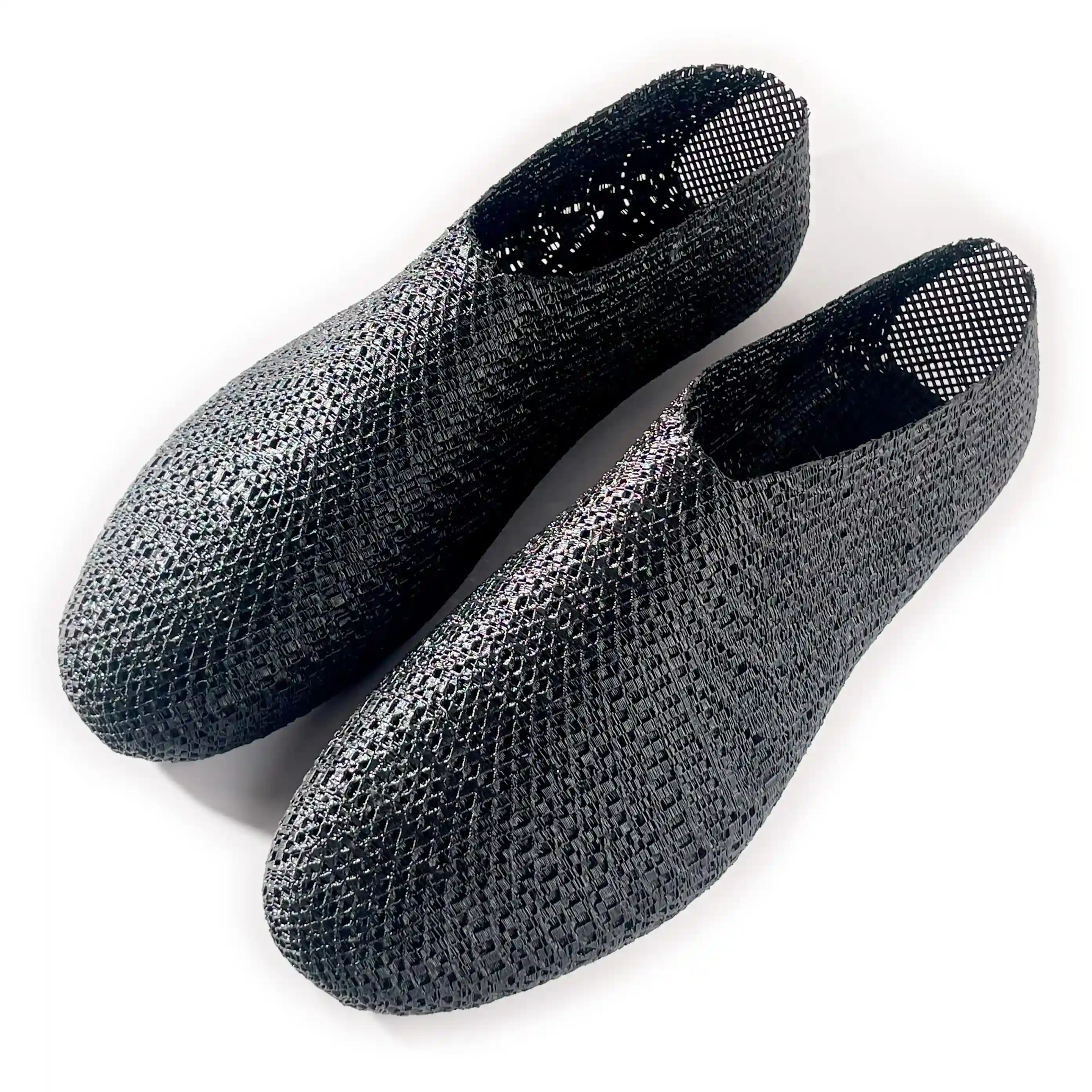
A barefoot River shoe with the same grid family as G0, G1 and Mirai, printed vertically. The two shoes print as a mirrored pair fused at the collar, then are separated with scissors after printing.
Why early River shoes could be made with Blender and Bambu Studio, and why Onda and Toe needed a more controlled Rhino/Grasshopper workflow.
River’s best barefoot pattern for comfort and durability: a smoother inside surface that can be worn without socks, generated from direct Grasshopper toolpaths with interleaved semicircular curves per layer.
Eros is the right place to explain generated pattern footwear: the cursive word is not a graphic pasted on top, it becomes the printable TPU structure.
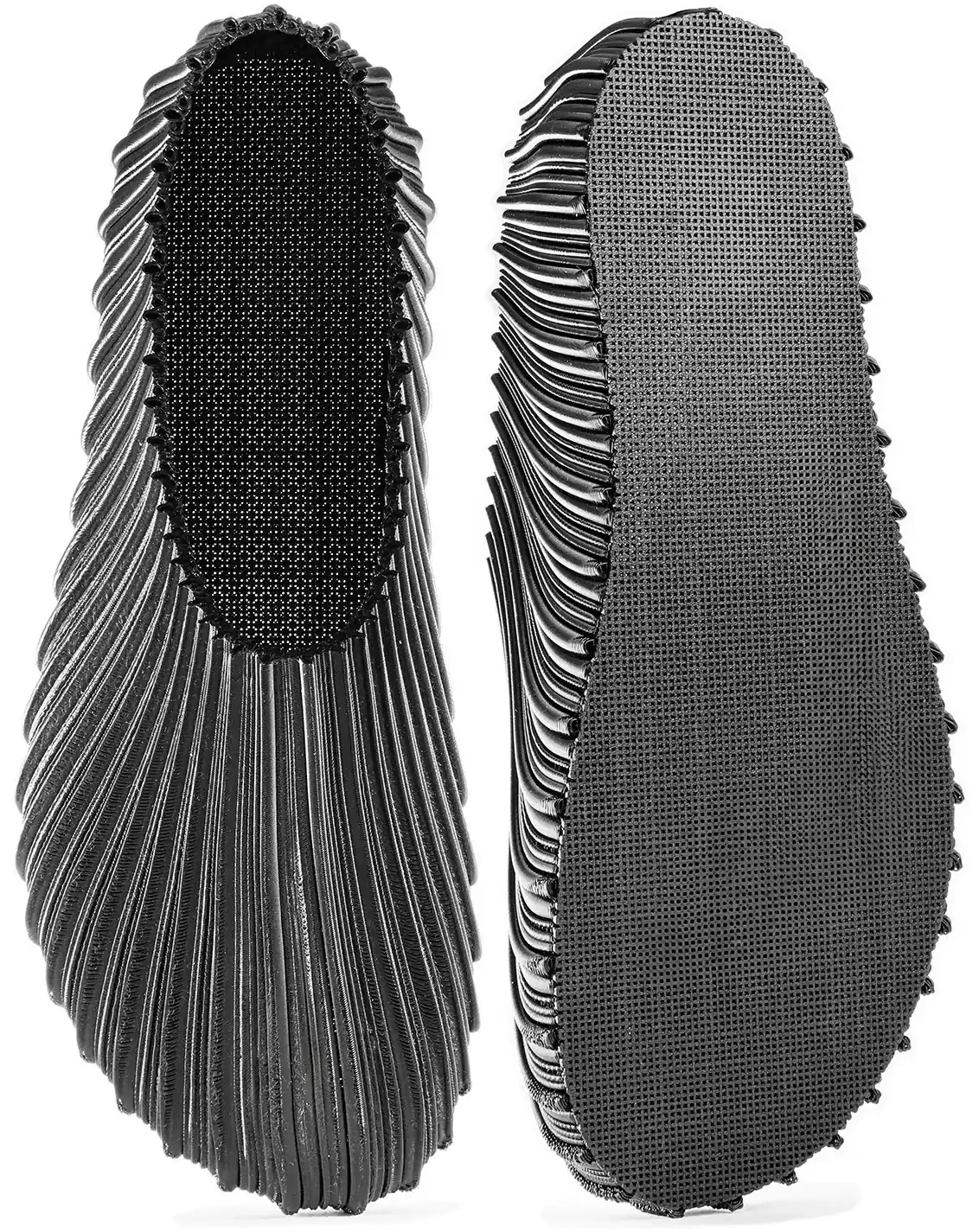
A barefoot River shoe where the print pattern repeats the word “love” in cursive, turning the structure itself into the graphic surface.
Geometry, thickness, print pattern, build-plate orientation and material all change how a printed shoe feels. River shoes come from testing those variables until the right patterns emerged.
River’s best barefoot pattern for comfort and durability: a smoother inside surface that can be worn without socks, generated from direct Grasshopper toolpaths with interleaved semicircular curves per layer.
Build volume is the real constraint. Folded, segmented and pre-sized files exist because scaling a full shoe down is not a good answer.
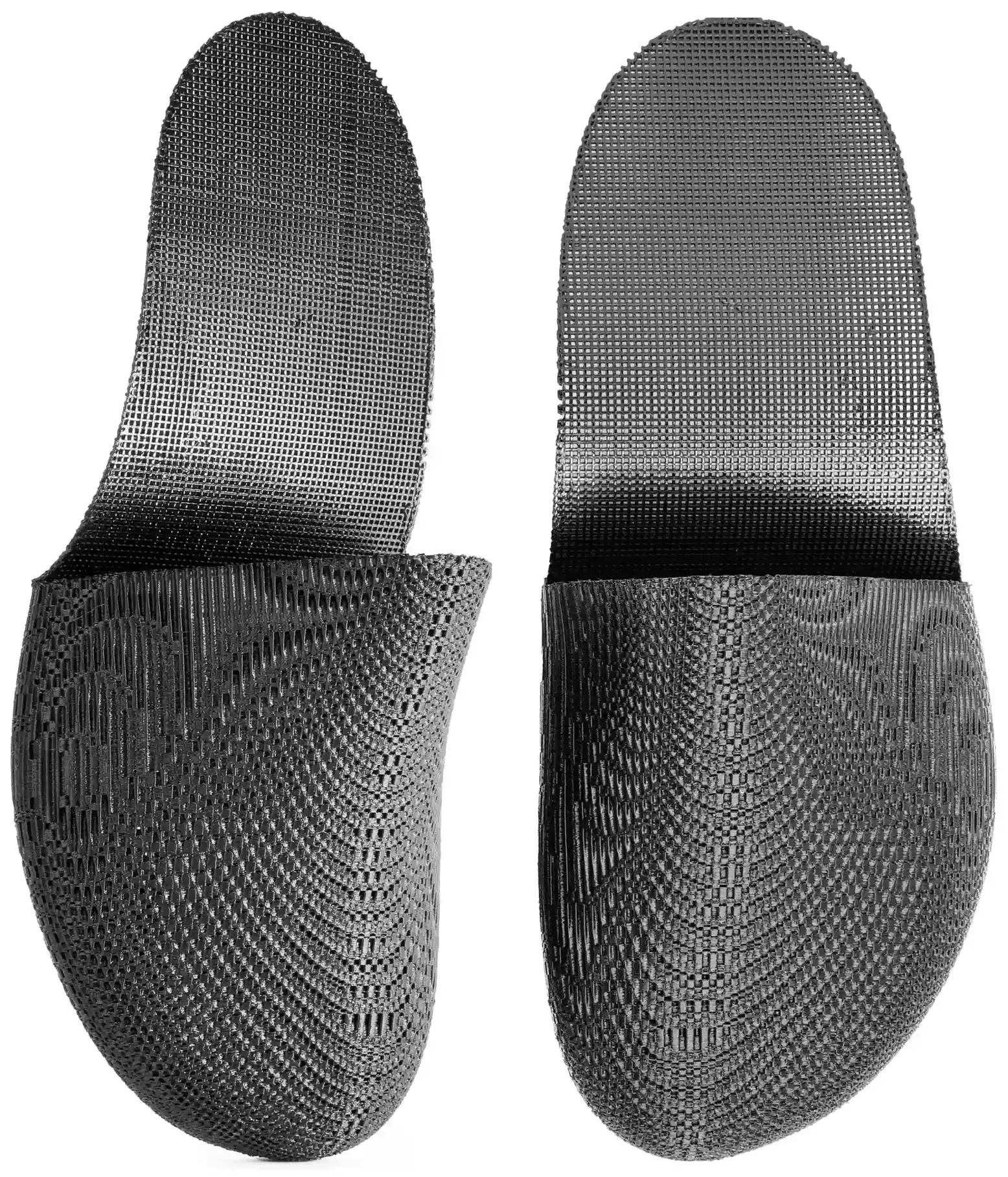
A softer-looking shoe file with a rounded, calm shape. Loto is less aggressive visually, made for a printed shoe that feels closer to a casual slip-on.
Durability depends less on the idea of “printed shoes” and more on filament quality, geometry, sole contact and how the shoe is used.
The thin-soled version of Tora: the same small-grid barefoot idea with a fine sole added for more ground protection while keeping the upper light and breathable.
The weirdness is not a bug. Visible layers, open structures and toe shapes are the reason people notice them in the first place.
A barefoot River shoe with separated toes for more movement, using the same controlled wave-pattern idea as Onda: interleaved semicircular curves shaped around the foot.
Reddit saw the toes first. The better question is what the comments revealed about comfort, sweat, grip, durability and why Toe exists.
A barefoot River shoe with separated toes for more movement, using the same controlled wave-pattern idea as Onda: interleaved semicircular curves shaped around the foot.
The questions people actually ask before printing or buying separated-toe TPU shoes, answered without pretending they are normal sneakers.
A barefoot River shoe with separated toes for more movement, using the same controlled wave-pattern idea as Onda: interleaved semicircular curves shaped around the foot.
River designs are released so people can print them, sell them, rename them, improve them and carry them forward without asking permission.
A barefoot River shoe with separated toes for more movement, using the same controlled wave-pattern idea as Onda: interleaved semicircular curves shaped around the foot.
A process guide to last scaling, shell thickness, Cura zones, belt-printer orientation and reinforcement choices.
The thin-soled version of Tora: the same small-grid barefoot idea with a fine sole added for more ground protection while keeping the upper light and breathable.
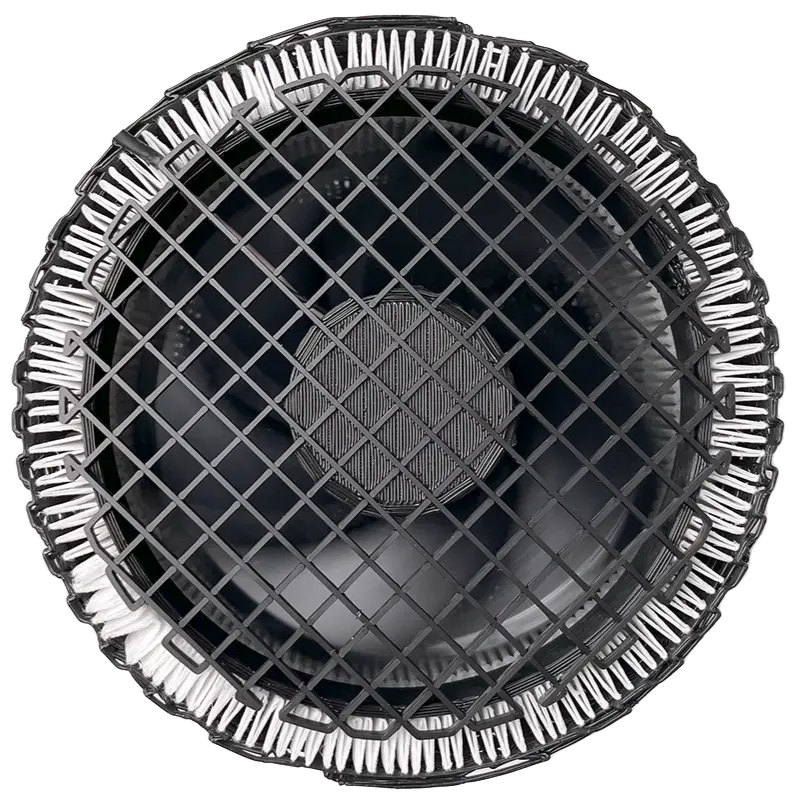
A quiet, USB-powered air purifier that just does its job. Cleaner room air from a printed object that actually looks like it belongs on the shelf — no humming appliance, no exposed electronics.
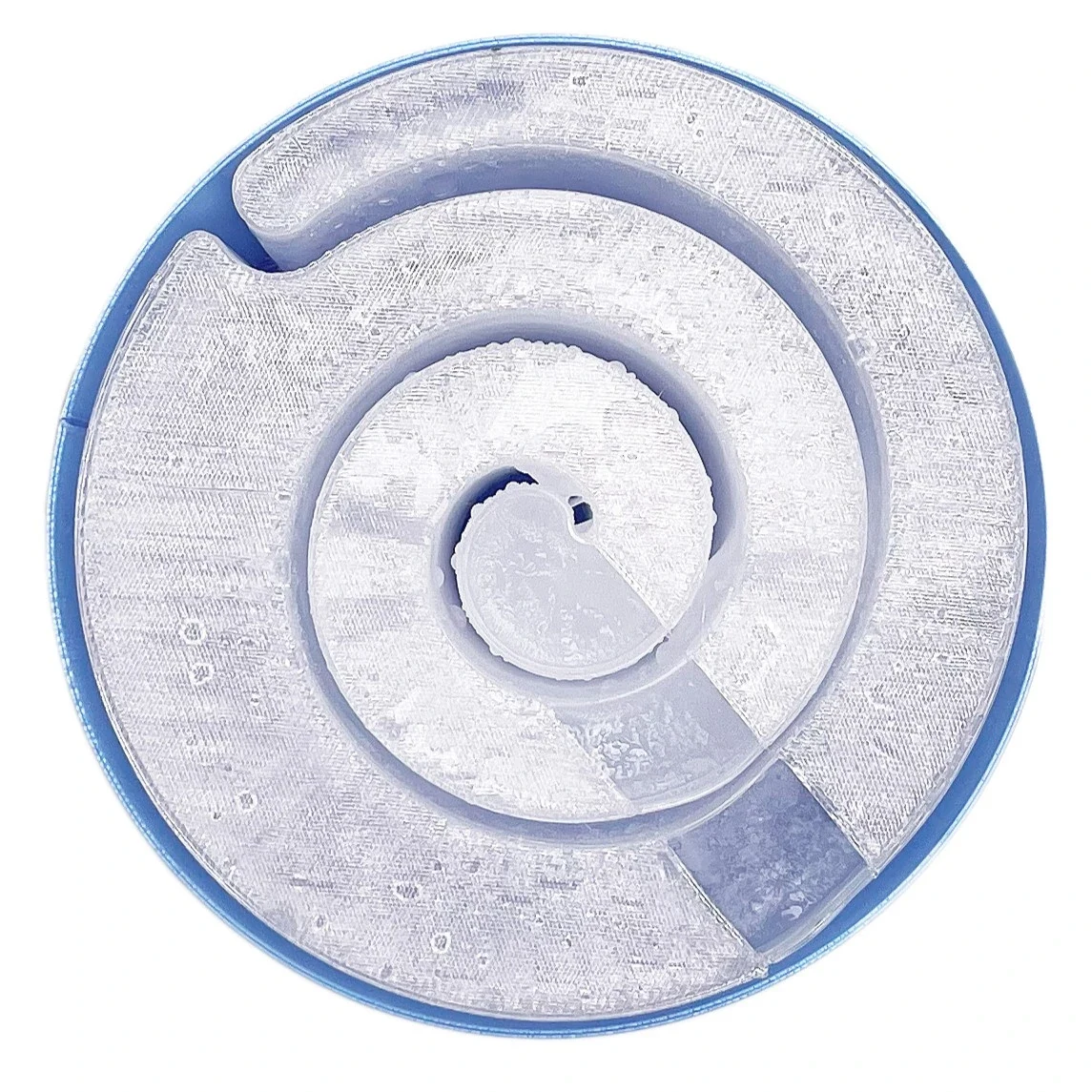
A full-size ice-pack air cooler built from printed parts, a quiet USB fan and a frozen water pack. Freeze the pack overnight, place it inside, and Yuki sends a steady cooler stream across the desk with very low power use.
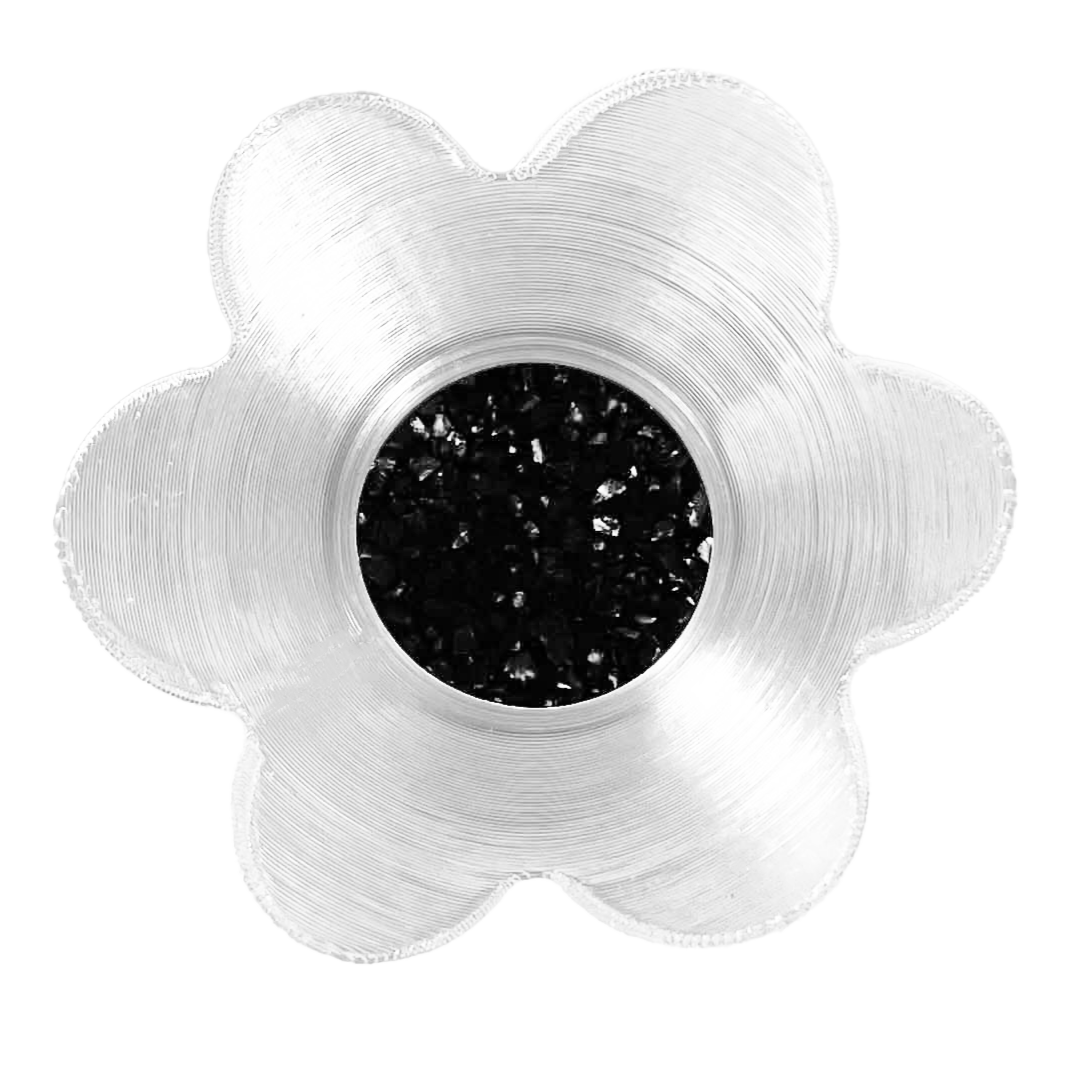
A polypropylene tap water filter for activated carbon. The flower-like top opens for filling, the body attaches to standard taps, and the bottom grid holds carbon while water passes through. Joined G-code keeps the water path cleaner by reducing micro-stringing.
A white cacao-butter bar with only two ingredients and no added sugar: 2/3 milk powder and 1/3 cocoa butter. Creamy, minimal and naturally more paste-like than sugary white bars.