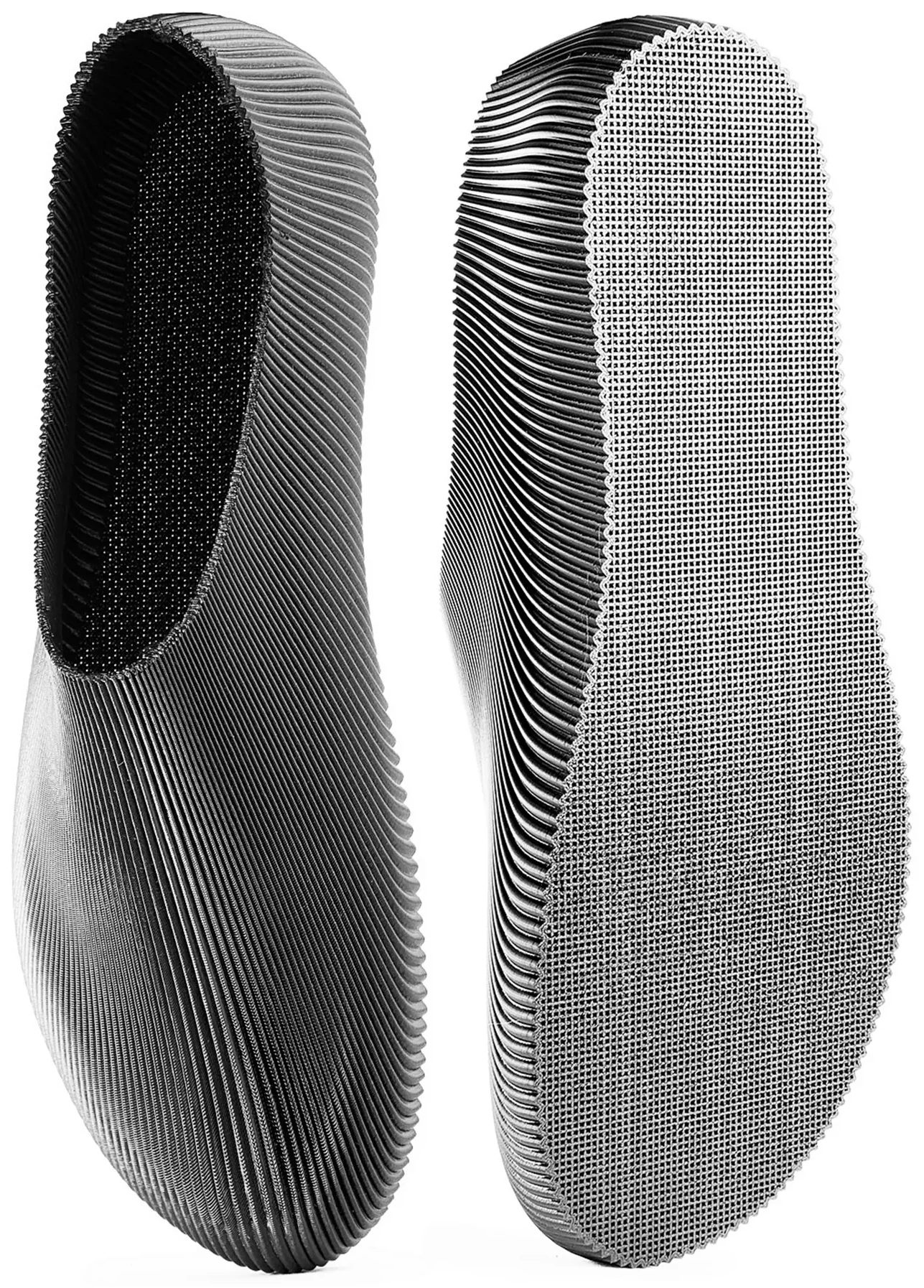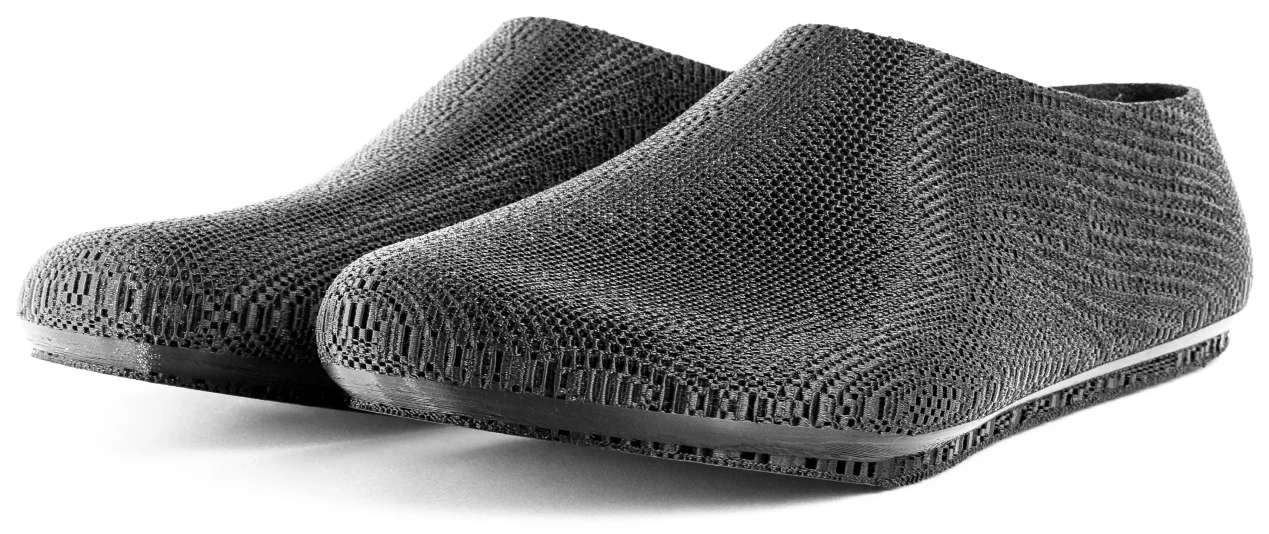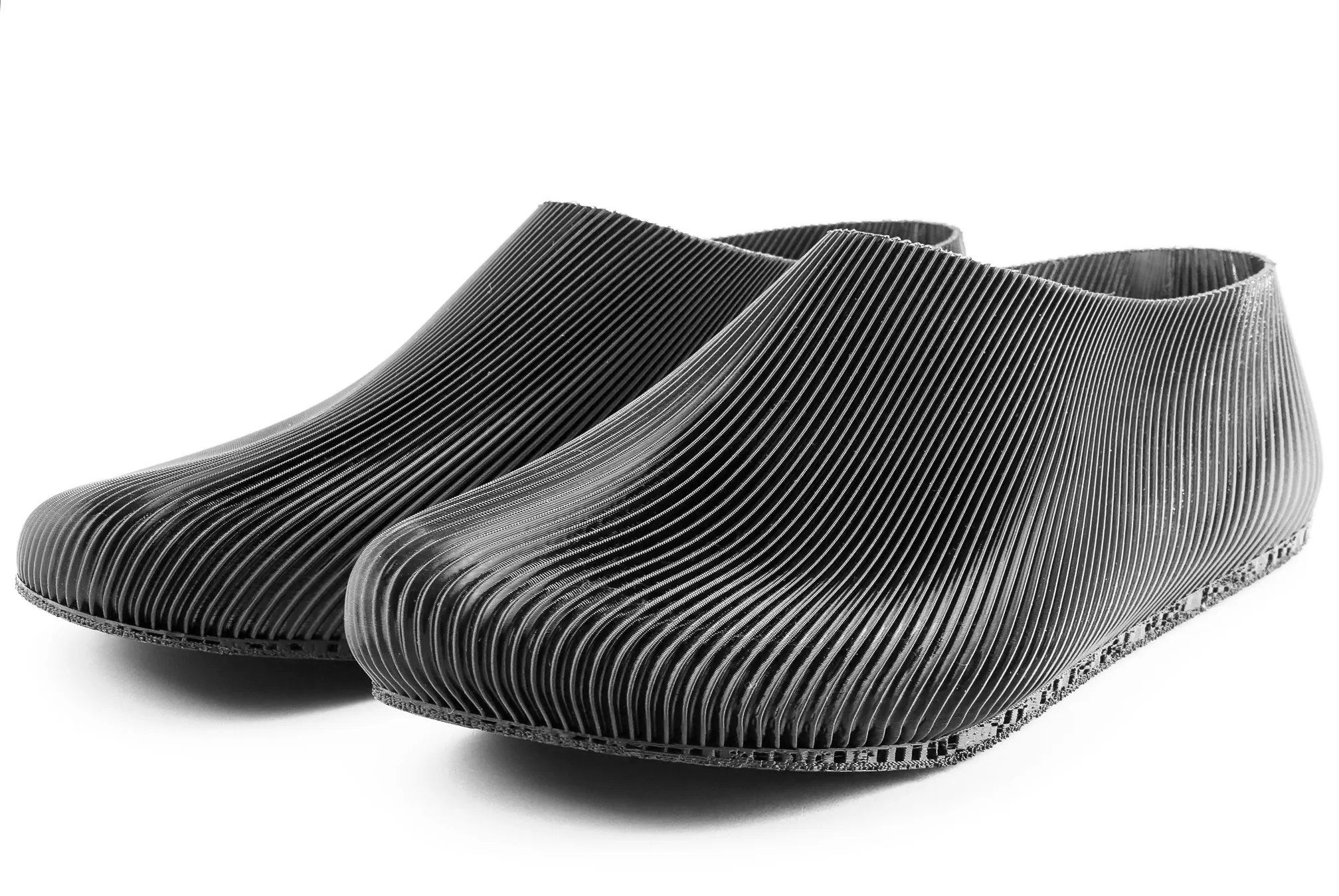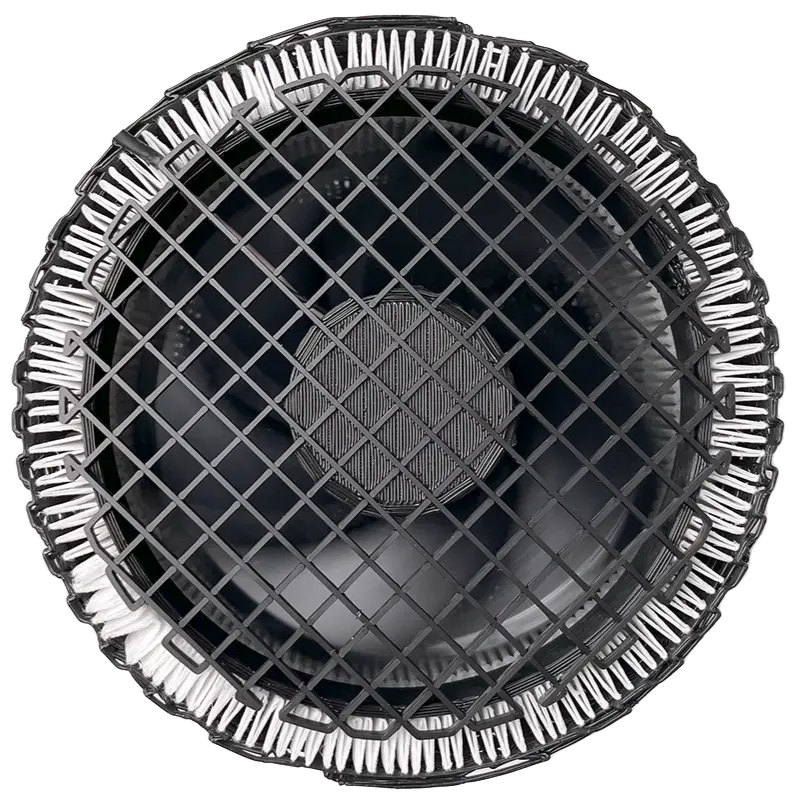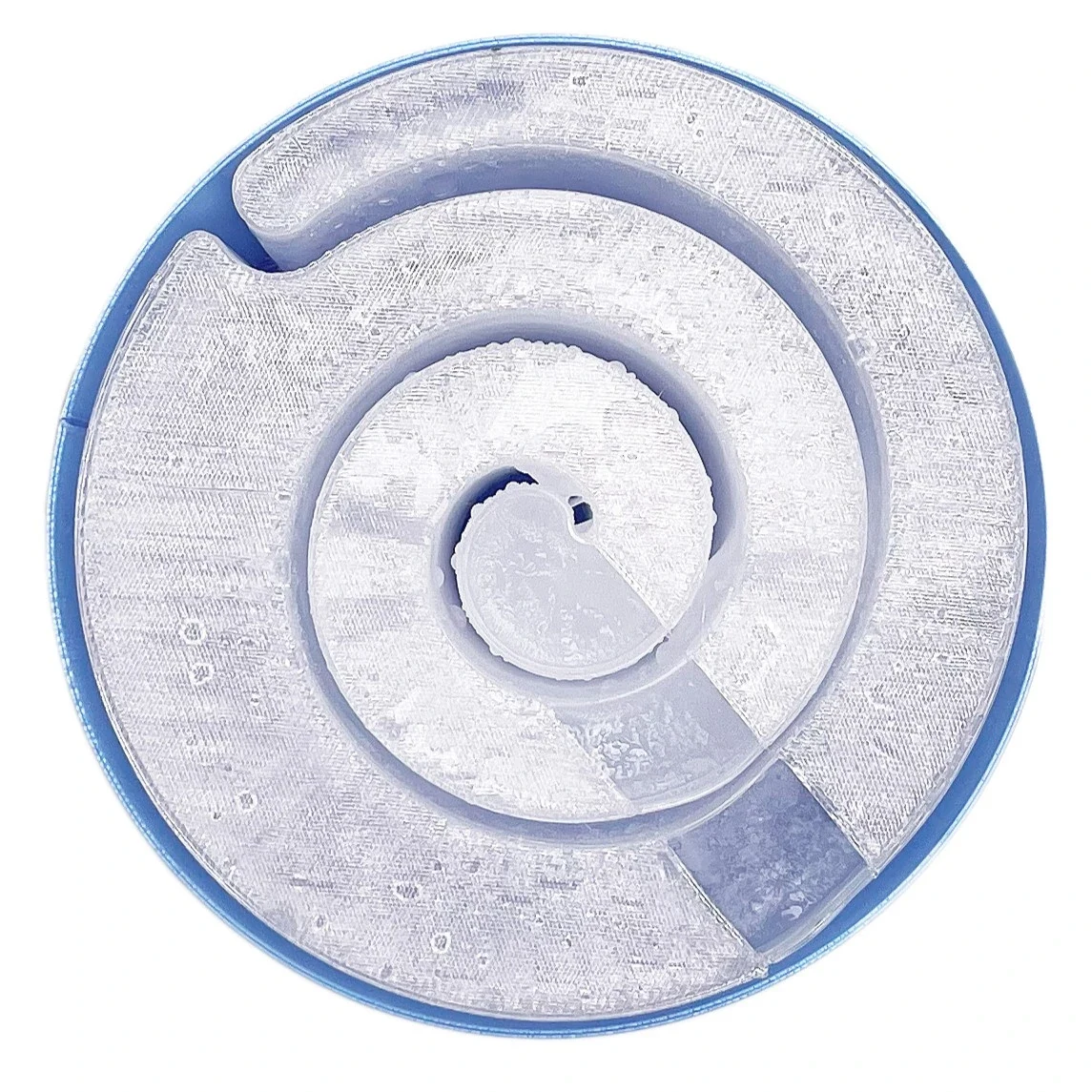
Bruk and Baum are 3D printed PP bottle designs. The important material choice is polypropylene: it can be watertight with a single wall, it can fold repeatedly without cracking in the same way brittle plastics would, and it is used here for food-contact water objects.
Bruk is the simpler bottle. Its folding cap becomes the seal: when the cap bends into position, the water path closes and the bottle stops leaking.
Baum adds a second folding idea. It keeps the sealing cap logic, but the body can also fold into itself like an accordion, so the empty bottle takes less space.
The slicing workflow is not one-click. Different zones need different settings, especially where overhangs, living hinges, thin walls or sealing geometry ask for different behavior. The print is sliced in Cura as multiple G-code sections, then those sections are joined into one final print file.
That joined G-code workflow matters because a PP bottle is not only judged by appearance. It has to be watertight, clean and flexible in the right places. One generic slicing profile would make the print easier to explain but worse as an object.
Polypropylene also changes the printer setup. It needs to print slowly, and it needs a polypropylene-like surface to hold to the bed. River uses transparent tape on the build plate because that tape is usually polypropylene and gives the print something compatible to grip.
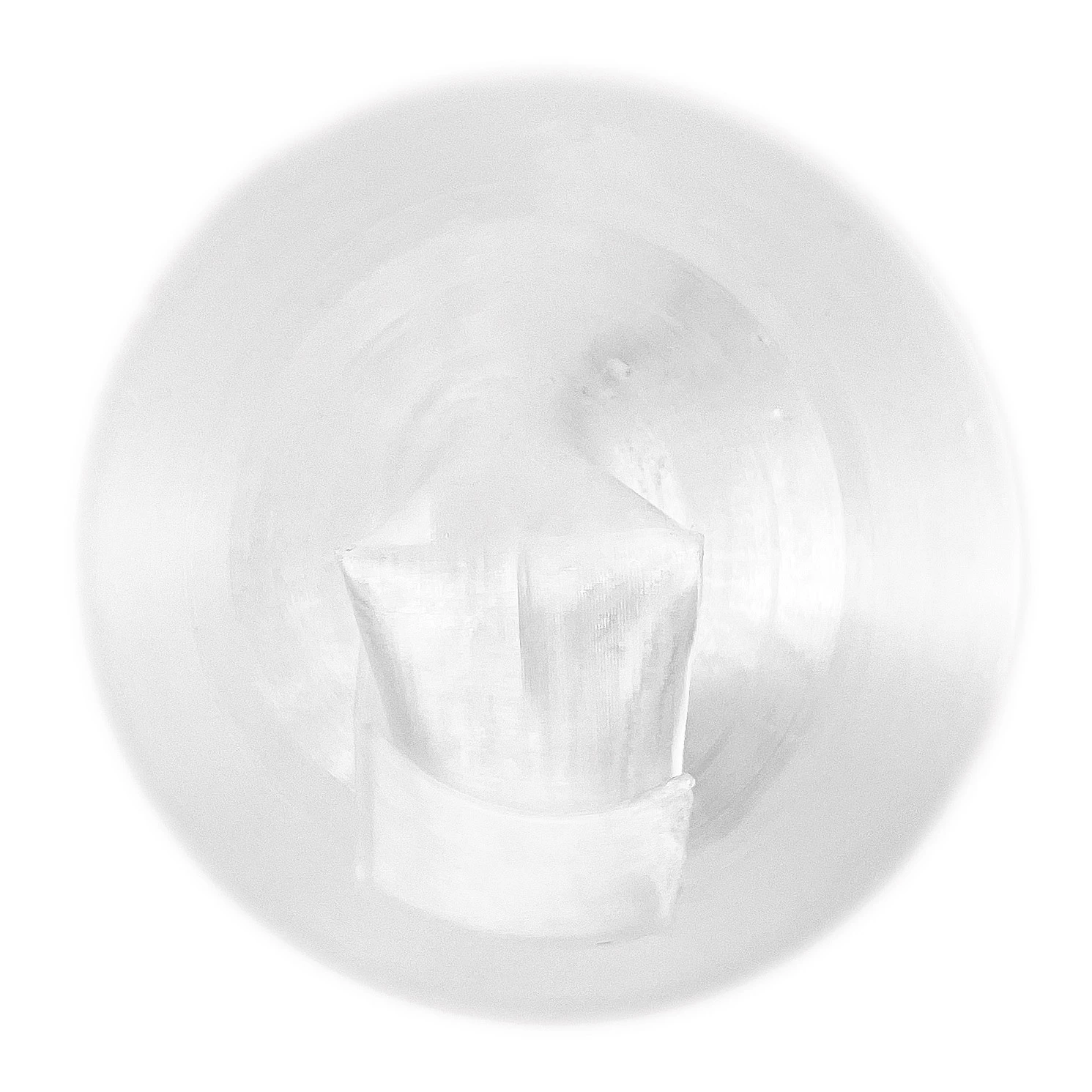
Bruk
A simple polypropylene bottle printed from joined Cura G-code sections. Its folding cap becomes the seal: when the cap bends into position, water stops coming out.
View design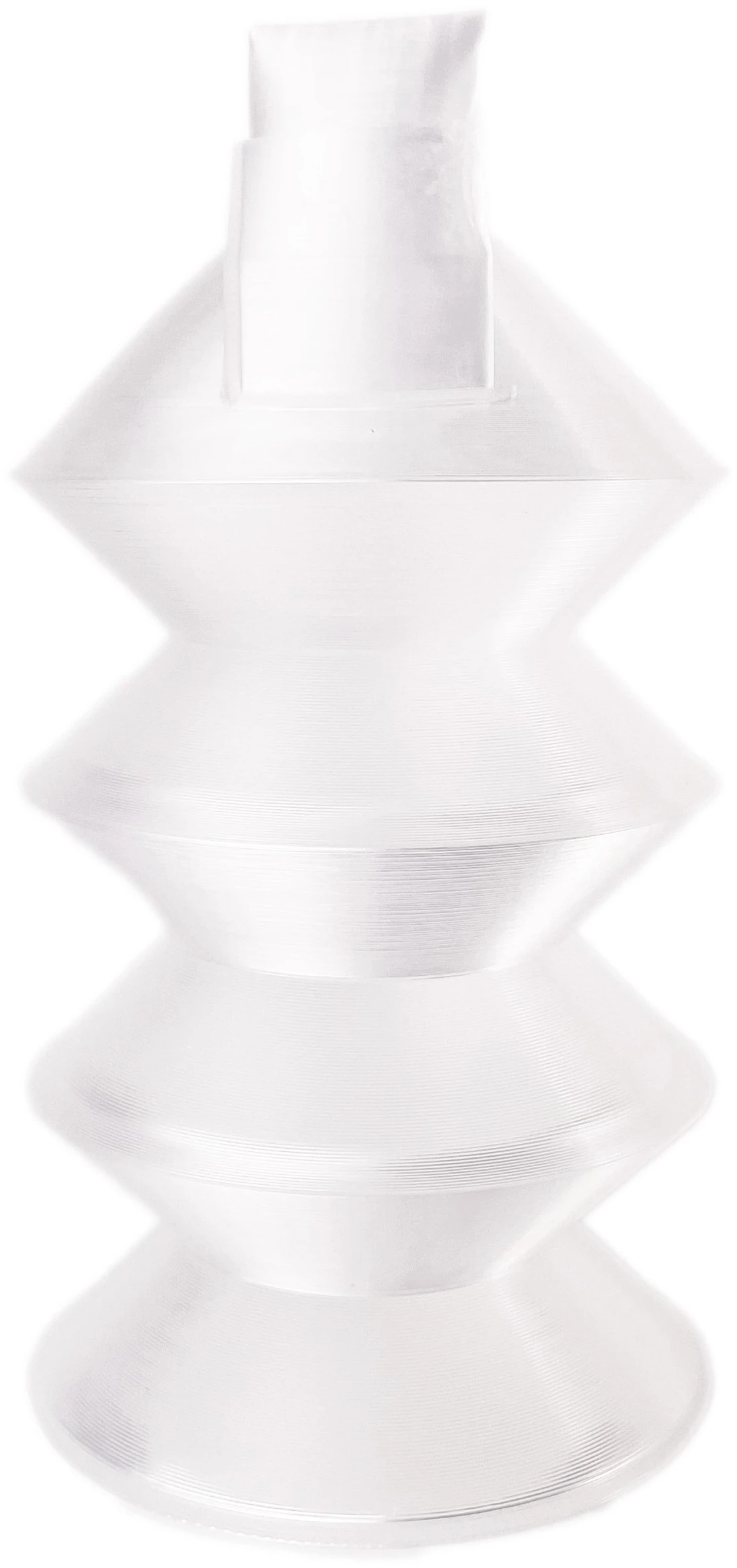
Baum
A collapsible polypropylene bottle made with the same joined-G-code approach as Bruk. The cap folds to seal, and the body can fold into itself like an accordion when empty.
View design