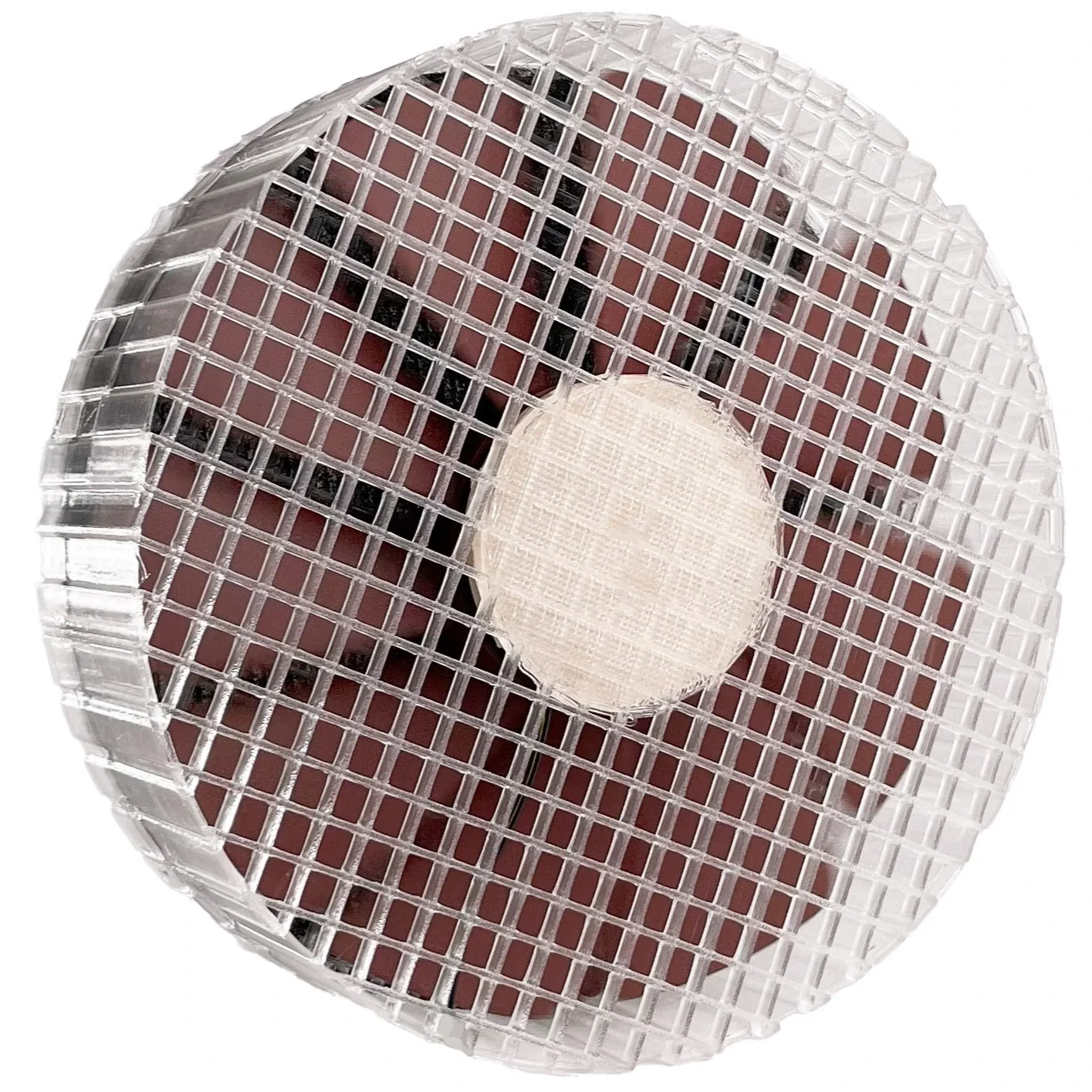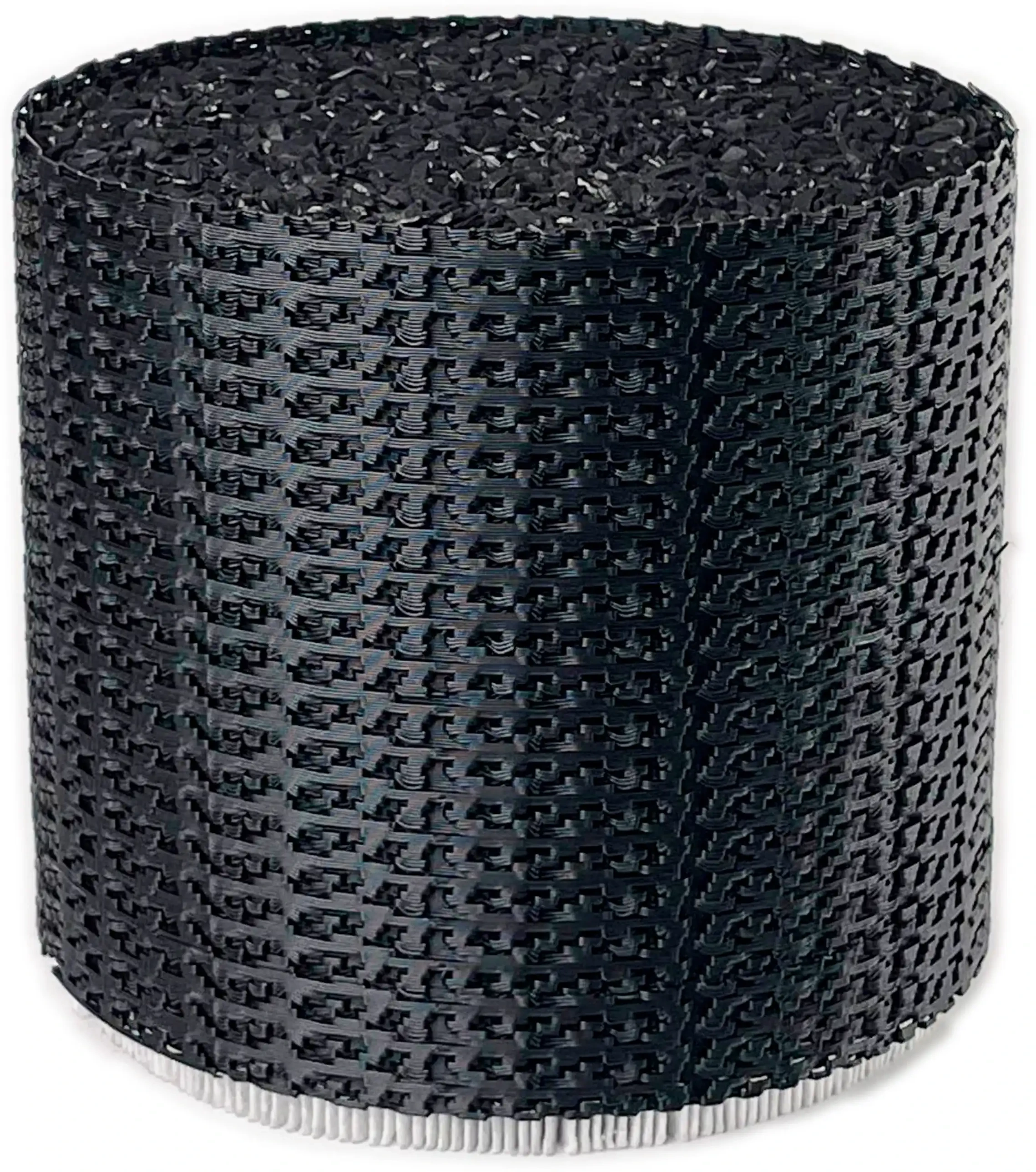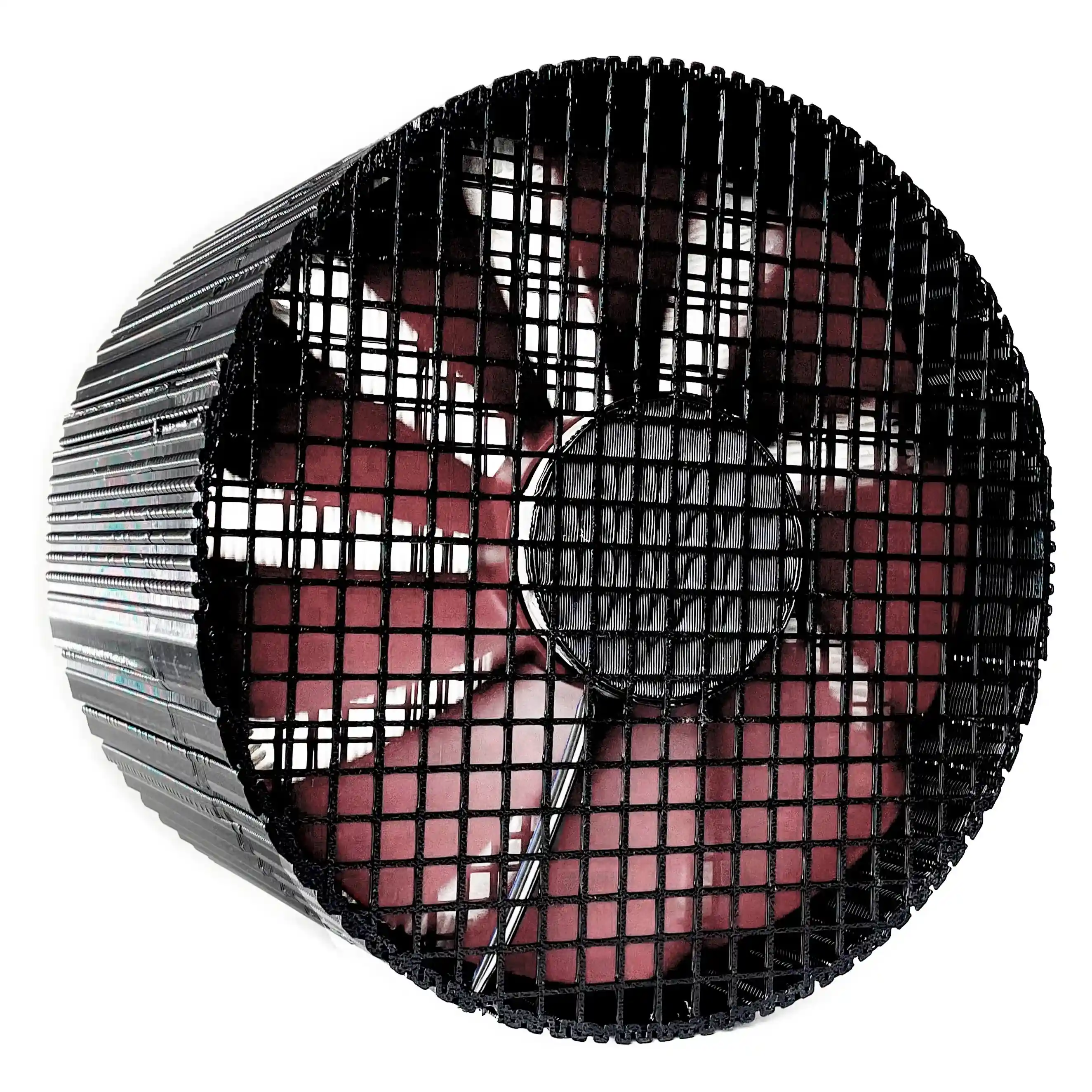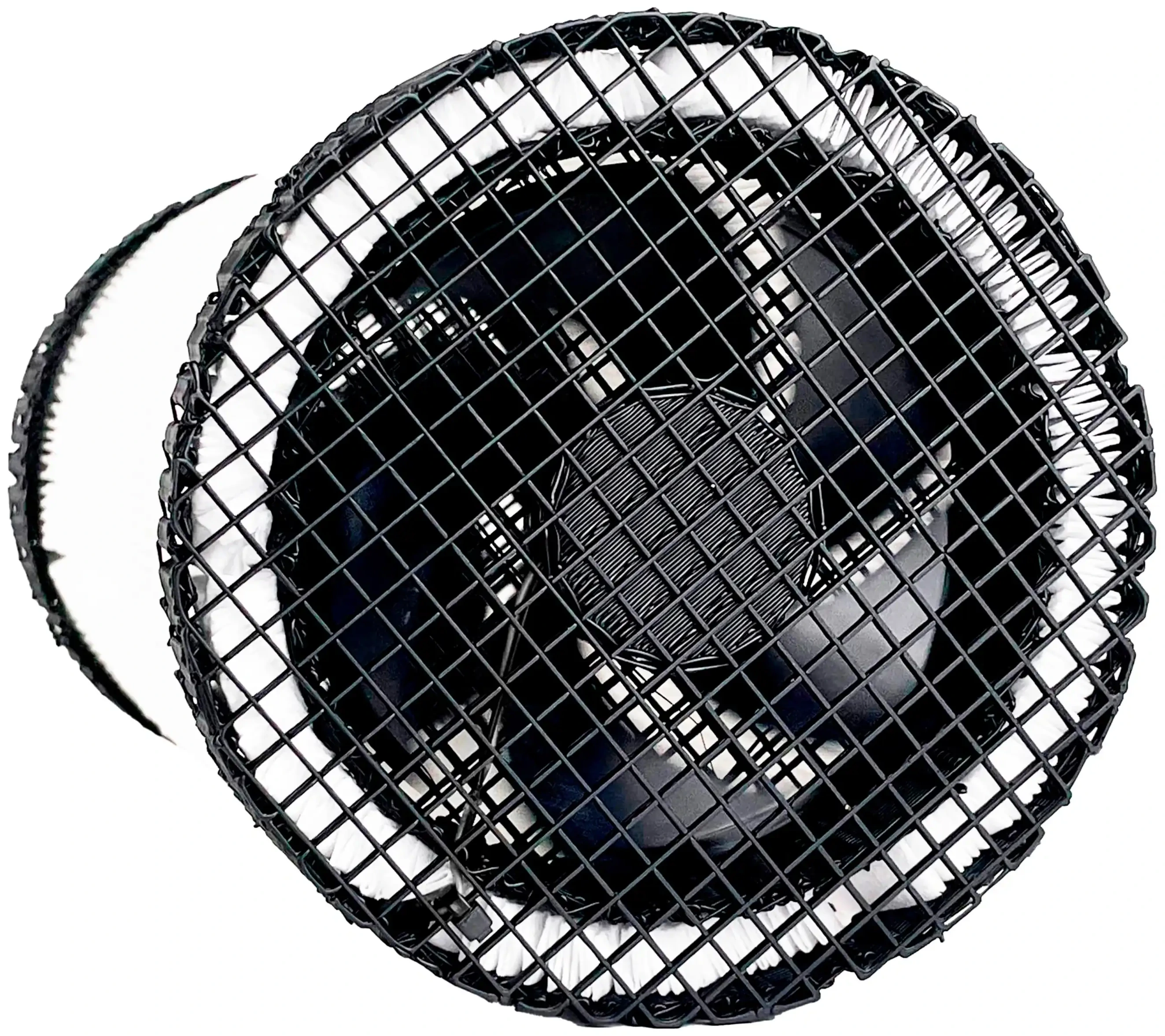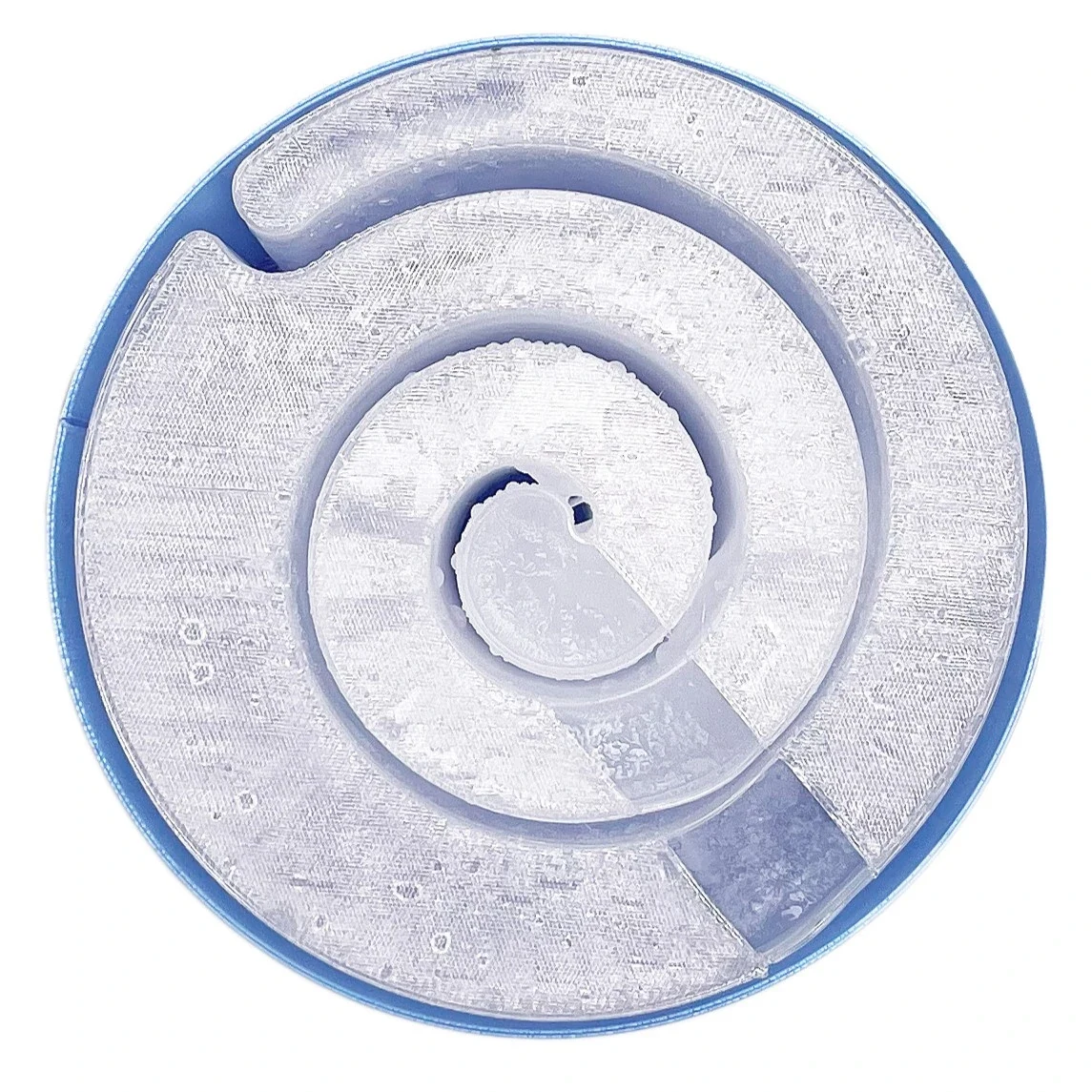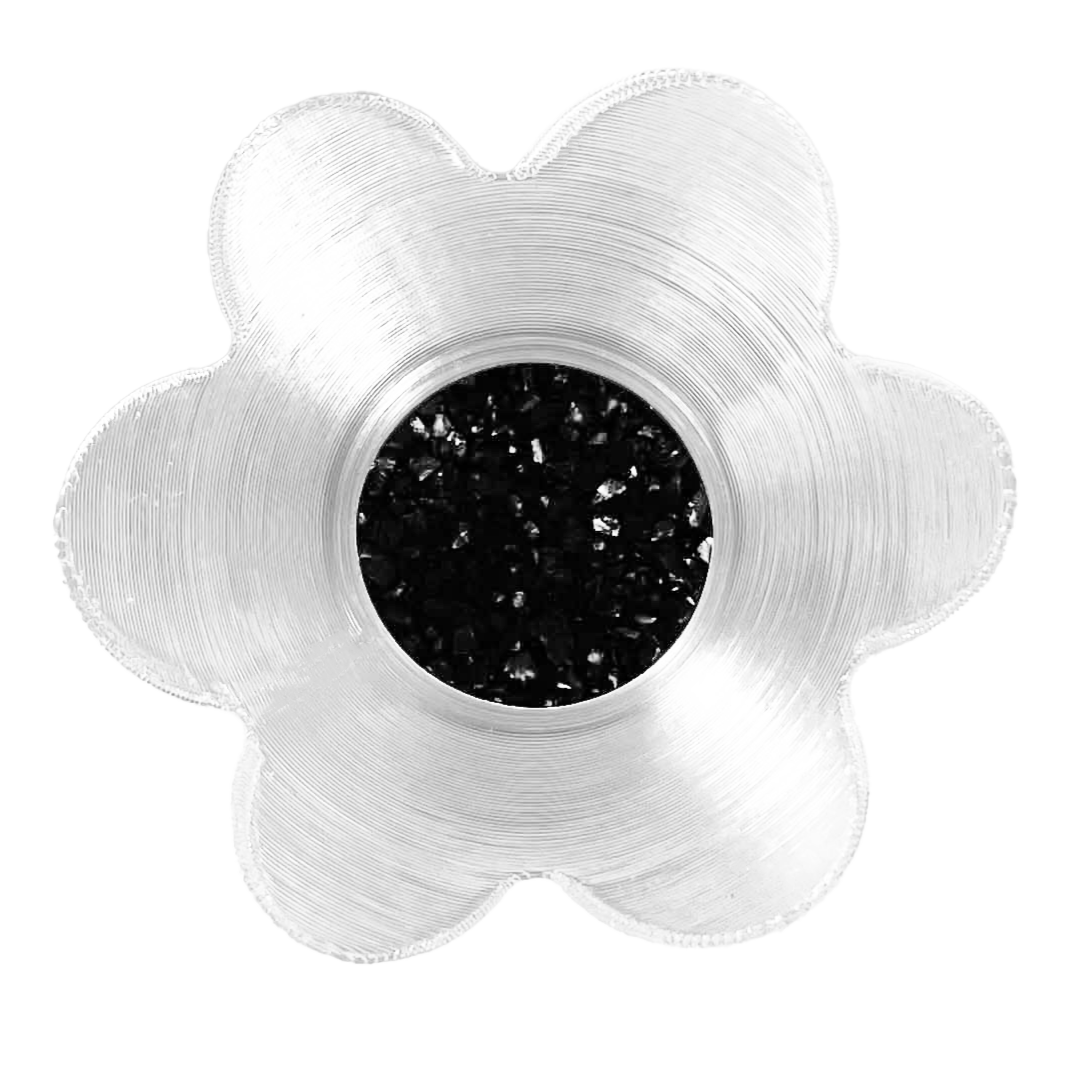
A 3D printed air purifier is simple at its core: a fan moves air, a filter does the cleaning, and the printed body holds those parts in a shape you can live with. The print is not the filter; it is the enclosure and airflow path.
HEPA-style filters are used for particles, while activated carbon is used when odor reduction matters. The right choice depends on the problem: dust, smoke, workshop smell, desk air, or simply making a small fan-and-filter object that fits a room.
The value of printing the body is control. A purifier can become compact, sculptural, vertical, soft-looking or playful instead of another generic appliance. That matters because an air purifier only helps if you are willing to keep it in the room.
A Reddit thread about the purifier prototypes made the same point very quickly: people first ask what they are seeing, then ask what filter is inside, whether the fan can be replaced, and whether the airflow test proves anything useful. Those are good questions, not side issues.
A good purifier should not trap its working parts inside a beautiful shell. It should make the fan, filter and cleaning routine understandable, because the filter will get dirty and a PC fan is only practical if the maker can reach it later.
Each River purifier is designed around a clear fan-and-filter layout, so choosing between them is mostly about size, shape and where the object will live.
Roy
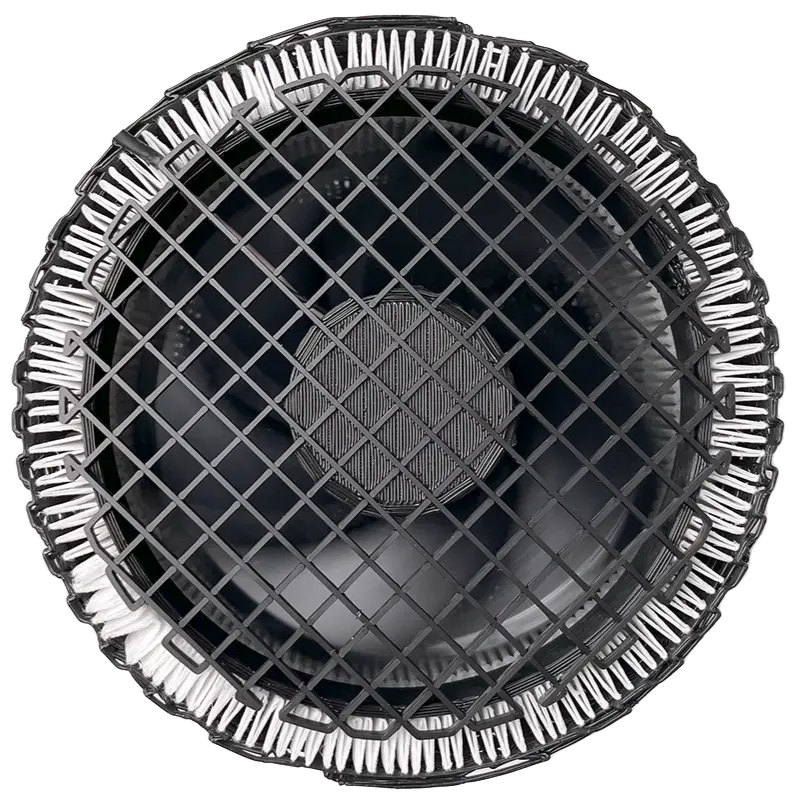
A quiet, USB-powered air purifier that just does its job. Cleaner room air from a printed object that actually looks like it belongs on the shelf — no humming appliance, no exposed electronics.
View design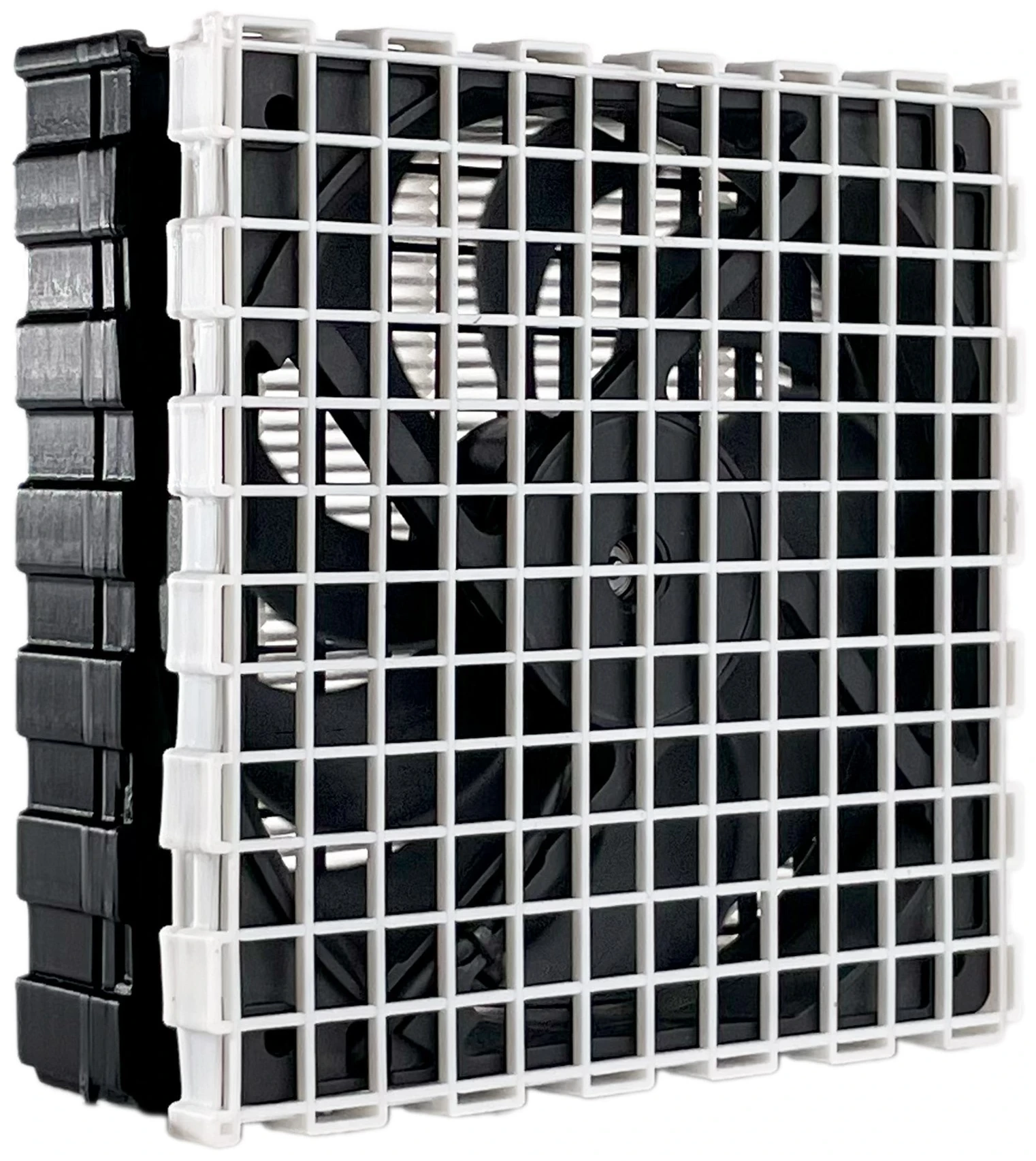
Max
The fastest River purifier to build. Snap the printed shell onto a standard PC fan, drop in the HEPA, plug into USB — your room is already cleaner.
View design