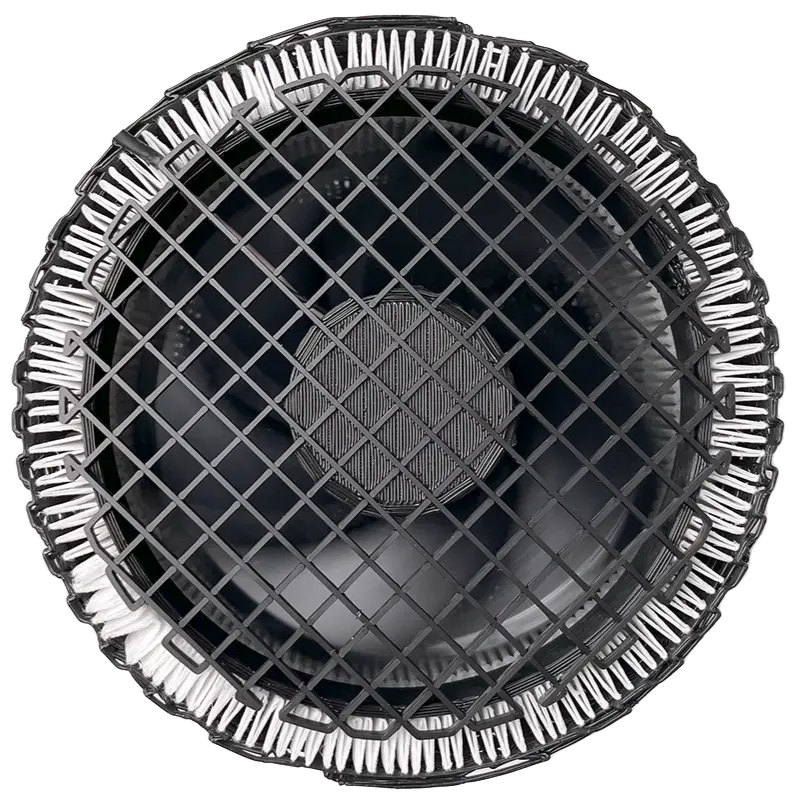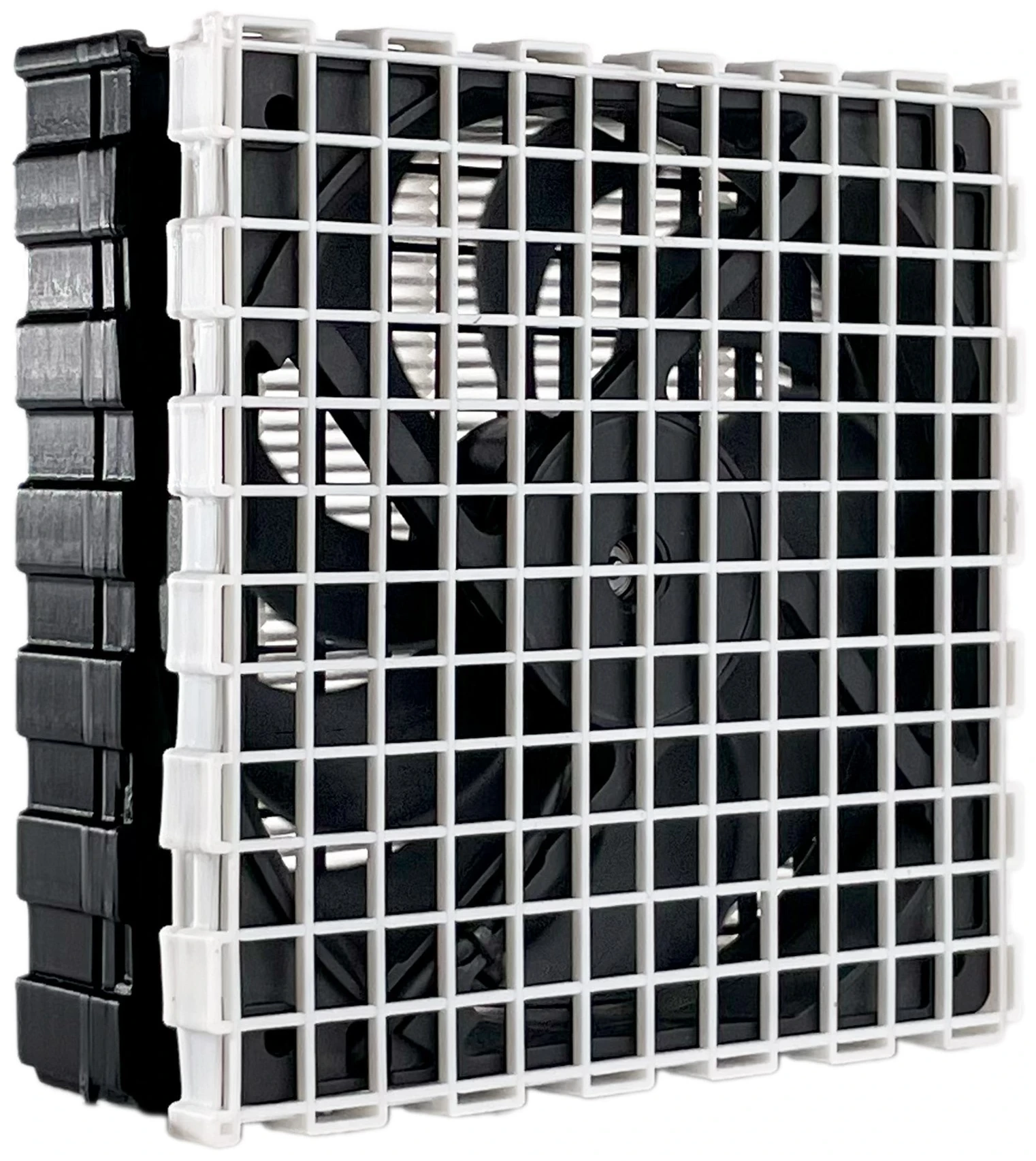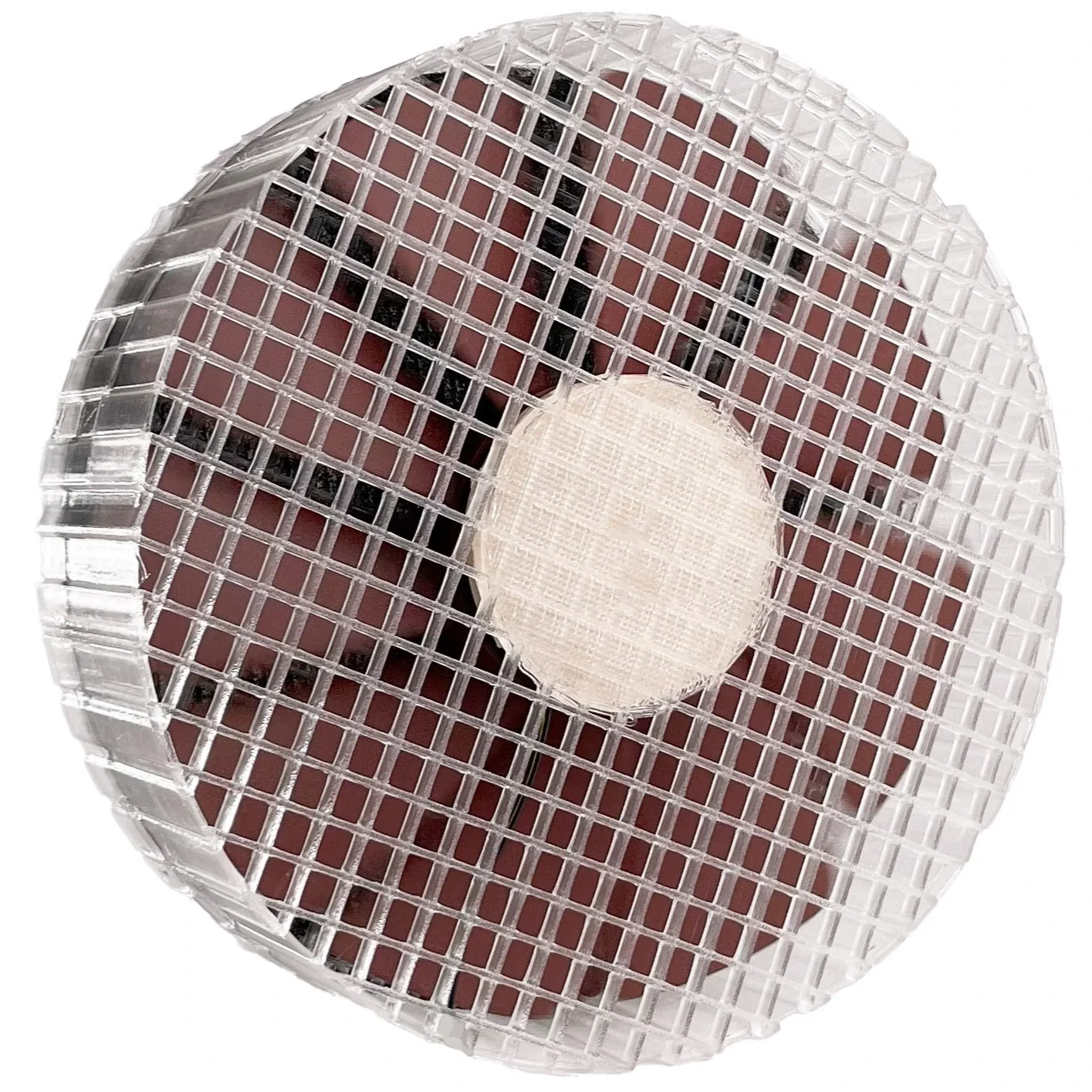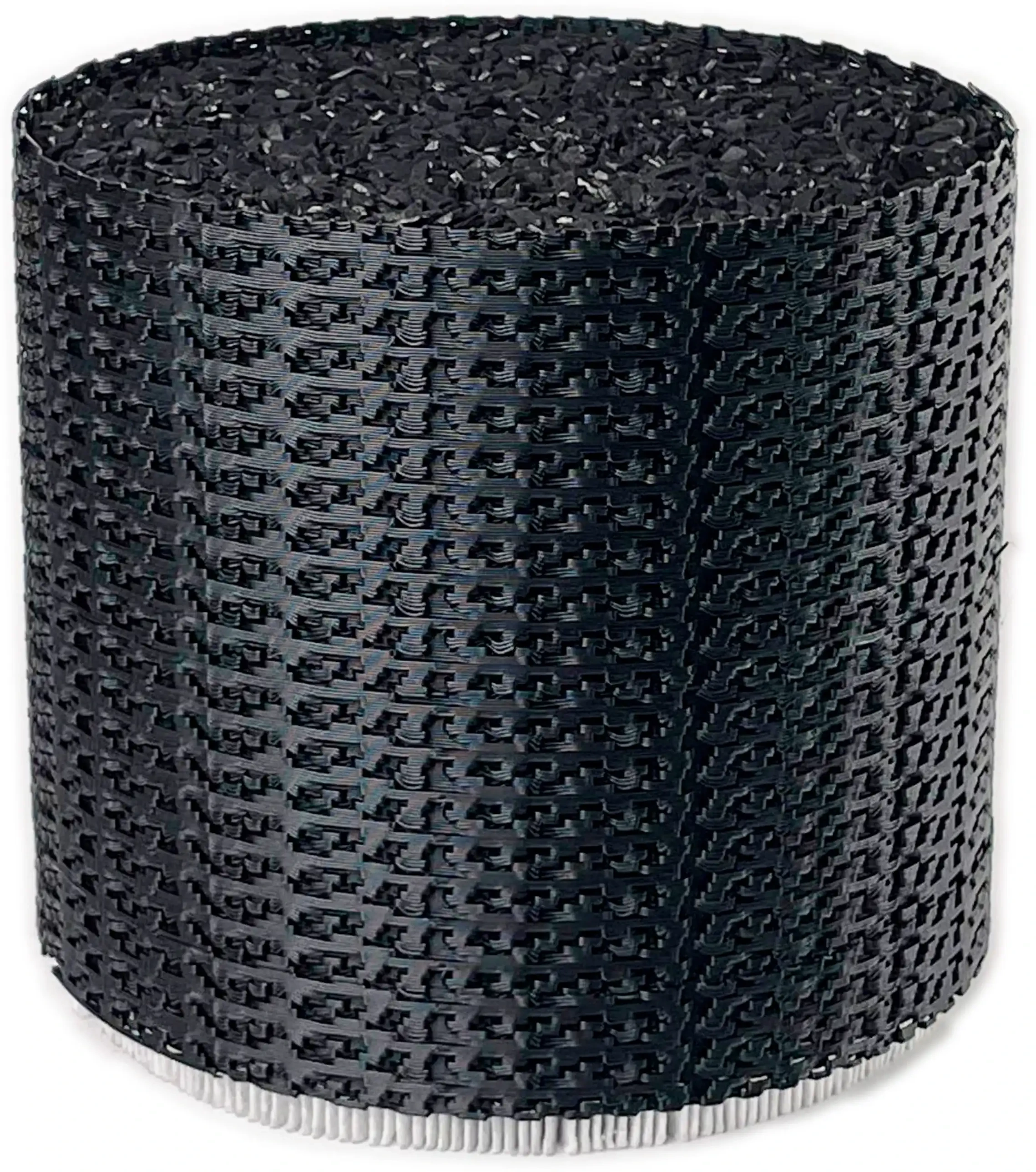
PC fans make sense in printed purifiers because they are available, quiet enough for desks, easy to power and familiar to makers. They also create the obvious maintenance question: what happens if the fan dies?
If a fan is permanently buried inside the print, the purifier becomes disposable in the worst way. A serviceable design should let the maker reach the fan, inspect the filter path and understand how the electronics sit inside the shell.
Smoke-test videos are useful, but only for a narrow question. They can show that air is moving and that the airflow path pulls smoke toward the object. They do not prove particle filtration, VOC removal or clean-air delivery by themselves.
That distinction matters for trust. A pretty plume disappearing into a white background may look convincing, but what people actually need to know is simpler: which filter is present, whether air is forced through it, and how that filter is replaced.
The same applies to purifier shapes that mostly move air. A fan object can still be useful, but it should not be sold as filtering unless the air passes through HEPA, activated carbon or another real filter medium.
A useful printed purifier should show the practical facts clearly: fan size, filter type, air path and how the filter can be reached when it needs replacing.
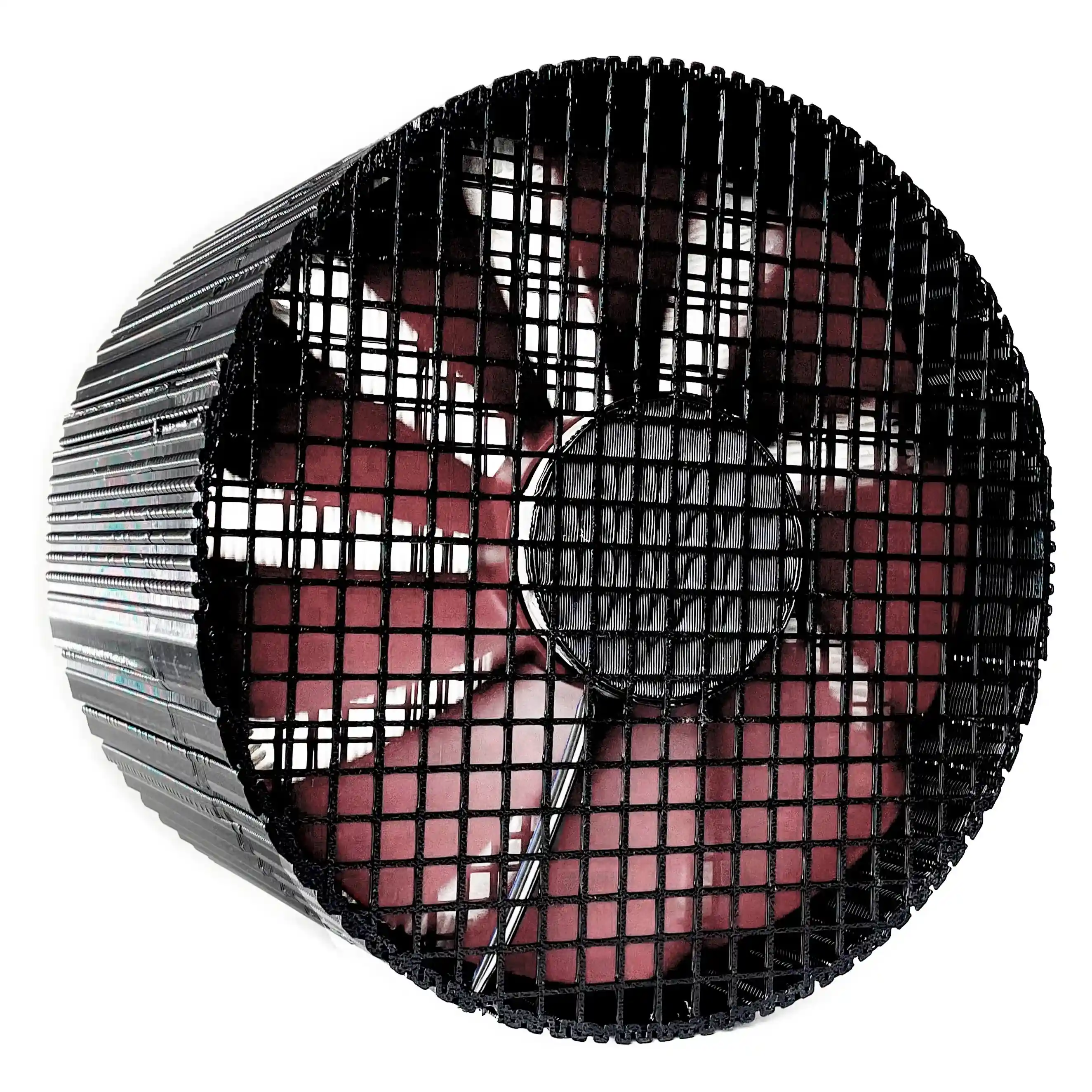
Ivo
Serious airflow for a real room. River's biggest mover of clean air, in a long horizontal shape that sits naturally on a sideboard or under a TV.
View design