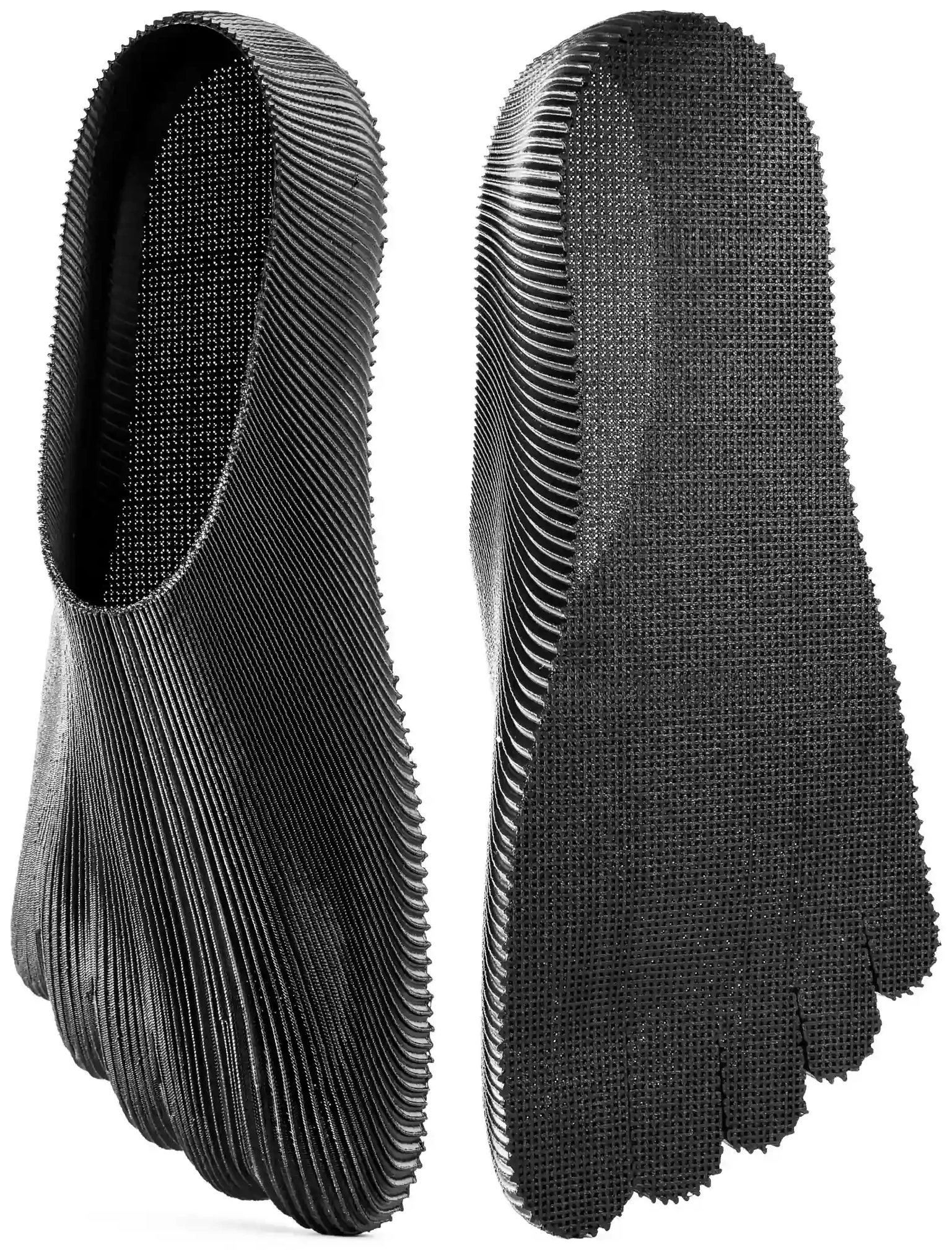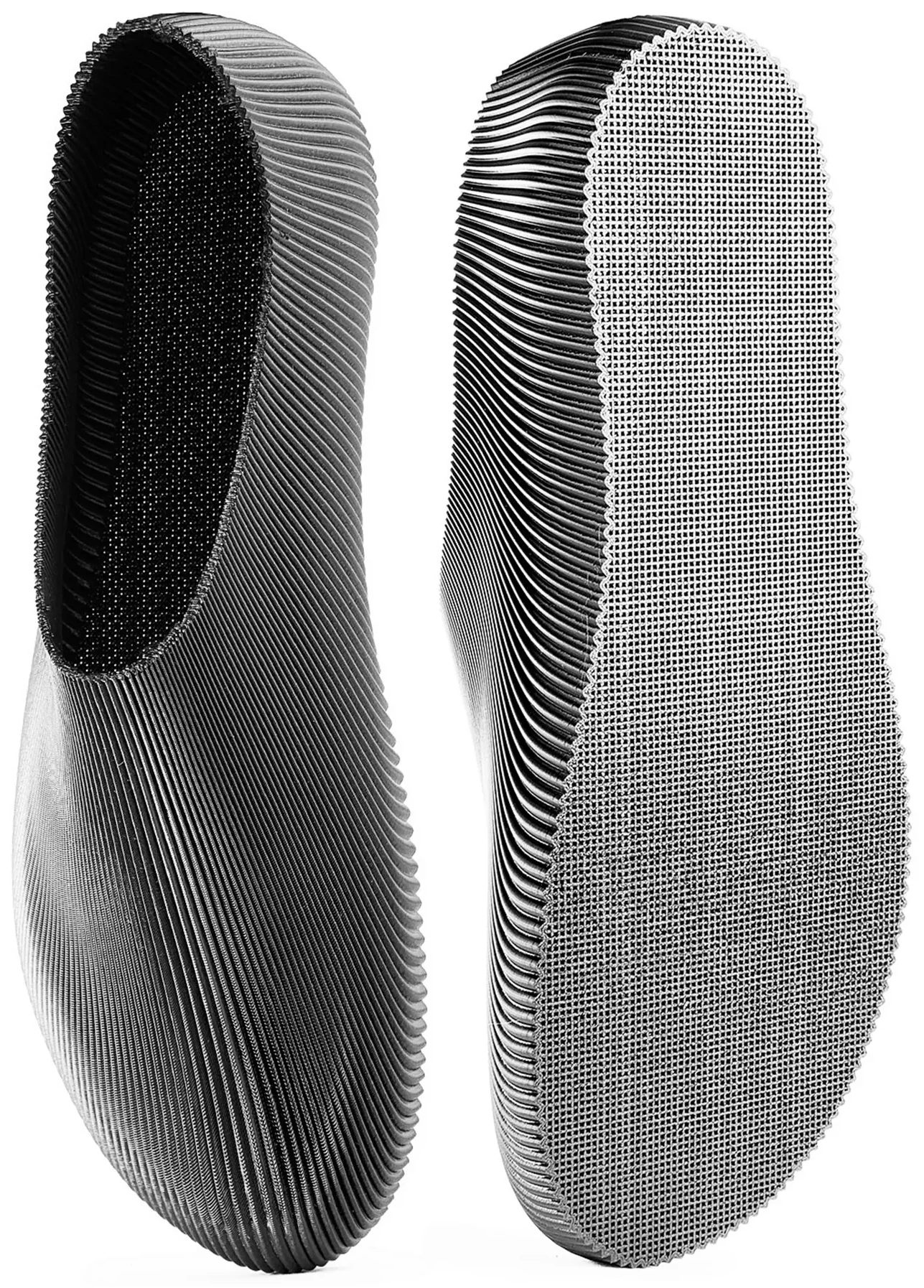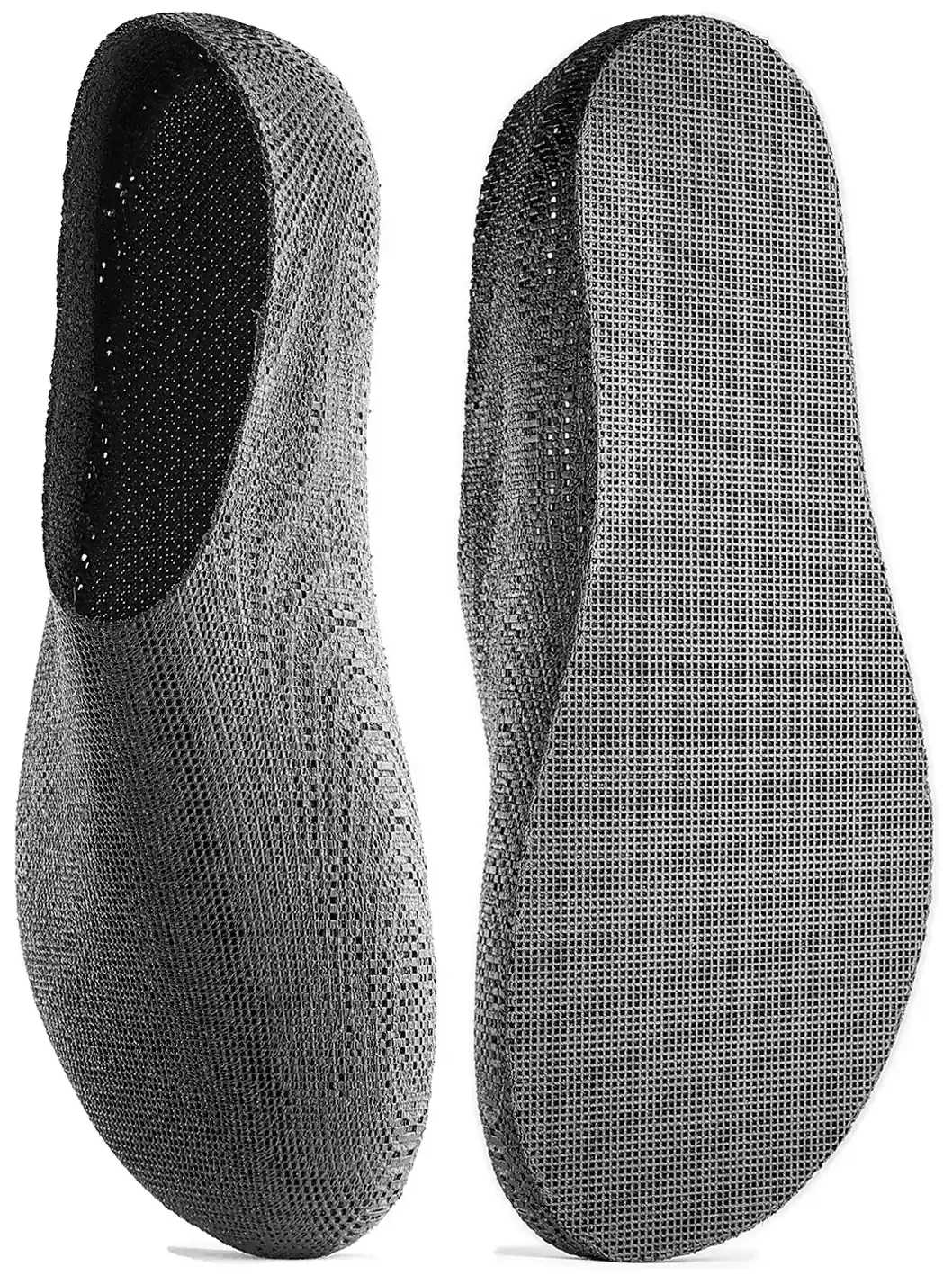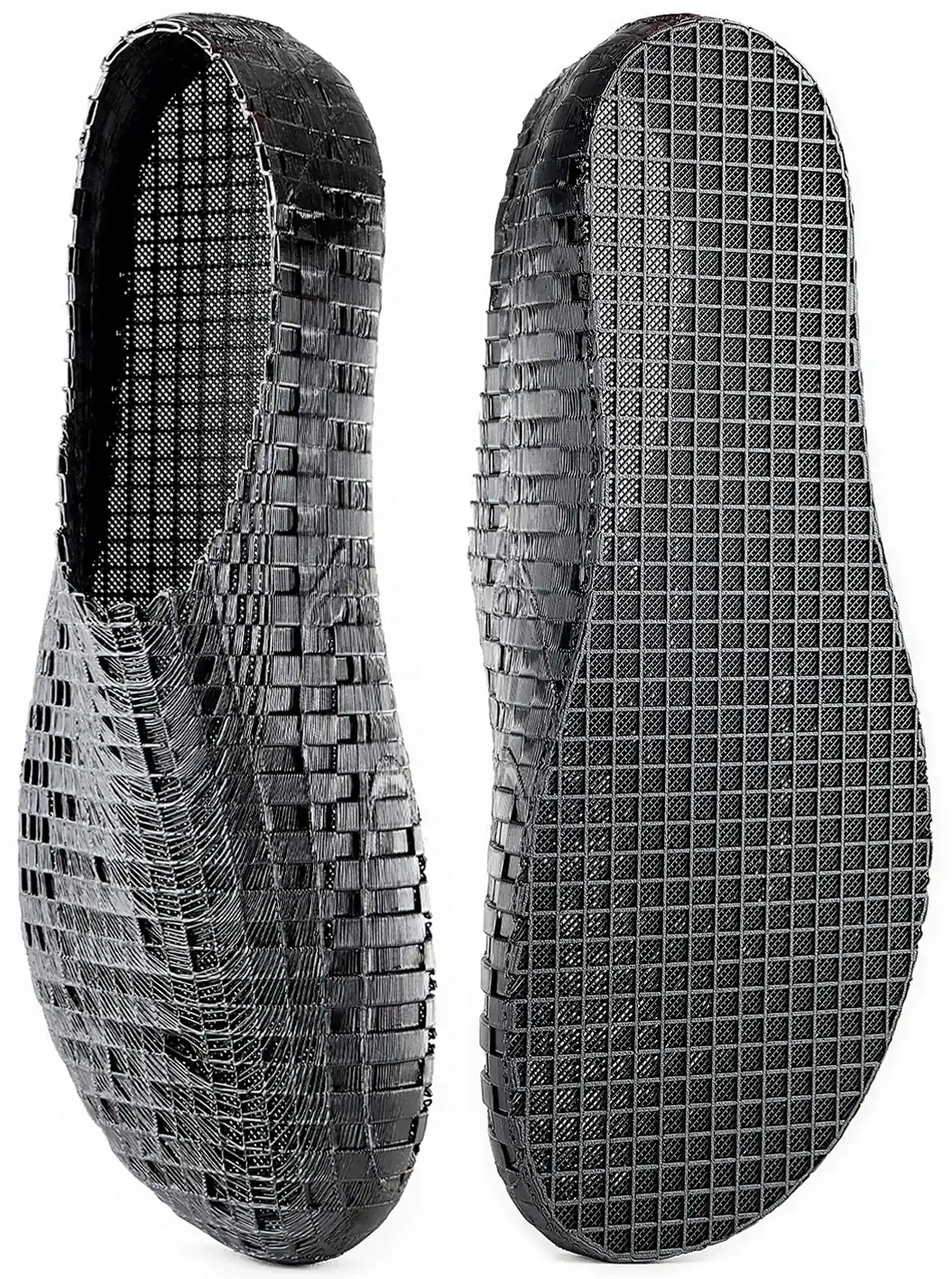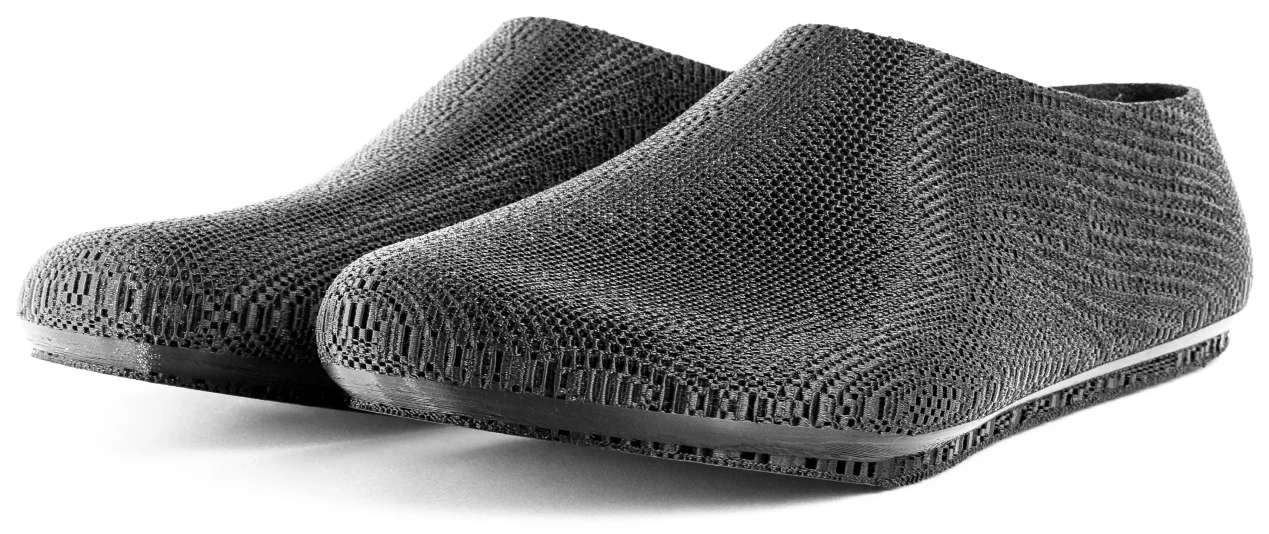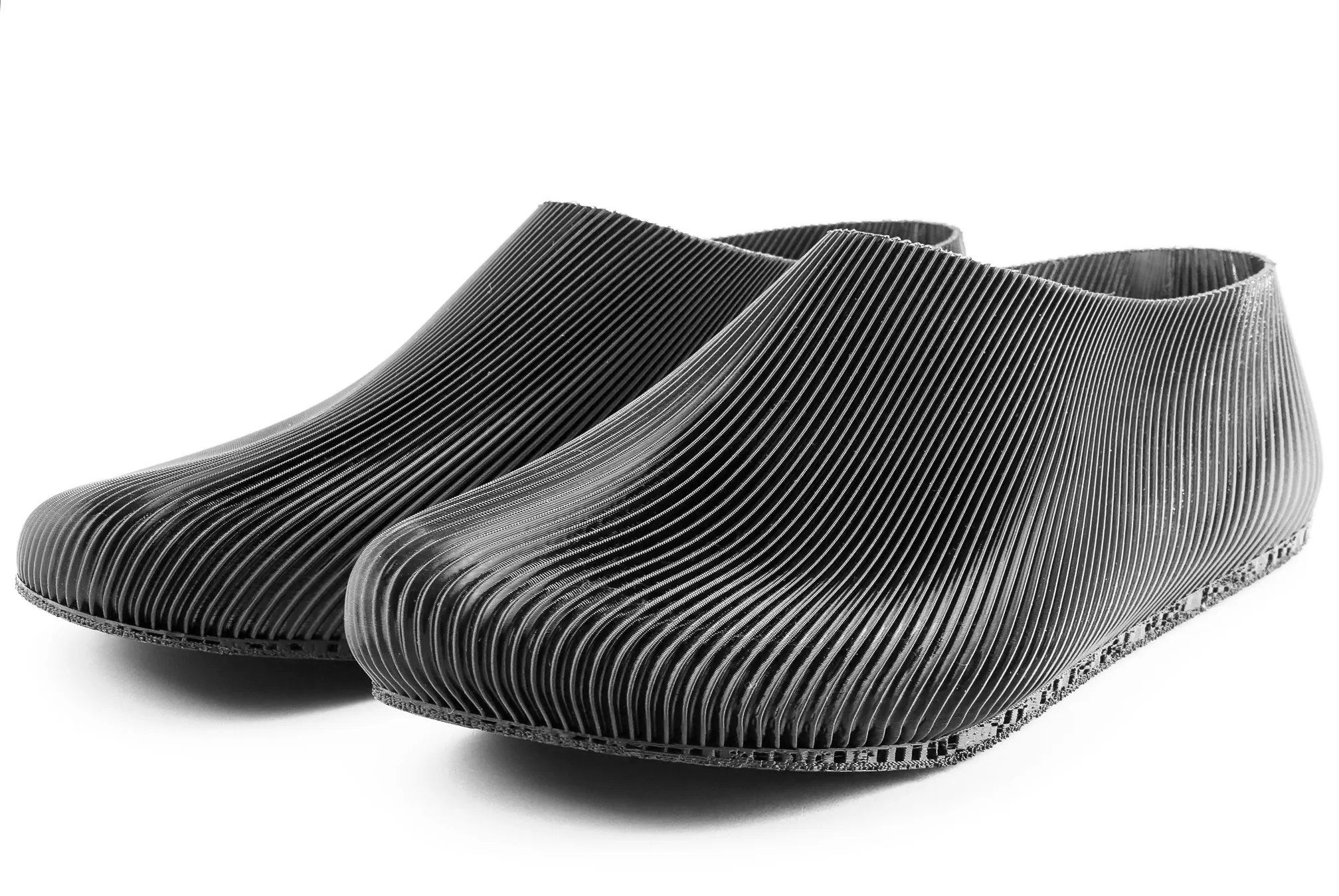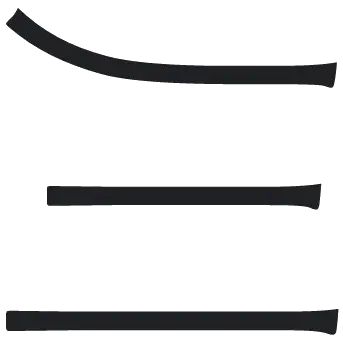
Eros is the cleanest River example for explaining generated pattern footwear, because the pattern is easy to see: the cursive word “love” repeats through the shoe and becomes part of the structure.
That matters because the word is not a decal, embossing or surface graphic. In a TPU shoe, the printed path is the material. If the path bends, spaces and overlaps in the right way, it becomes the upper people actually wear.
Grasshopper is useful here because a repeated word needs control. The curve has to follow the shoe surface, keep enough material between openings, avoid awkward dead zones and stay printable as the foot shape changes.
A normal slicer can generate walls and infill from a closed model, but it does not understand that a cursive word should become the structural rhythm. Grasshopper lets the pattern be planned before the printer sees the file.
The Eros idea is also a good bridge between visual design and fit. The shoe still needs toe room, flex and enough TPU where the foot pushes. The pattern only works if it stays wearable, not just recognizable.
That is why Eros belongs beside the more technical Grasshopper articles. Onda uses generated wave paths for comfort and strength; Eros shows the same direction from the graphic side, where a written curve becomes a printable shoe structure.
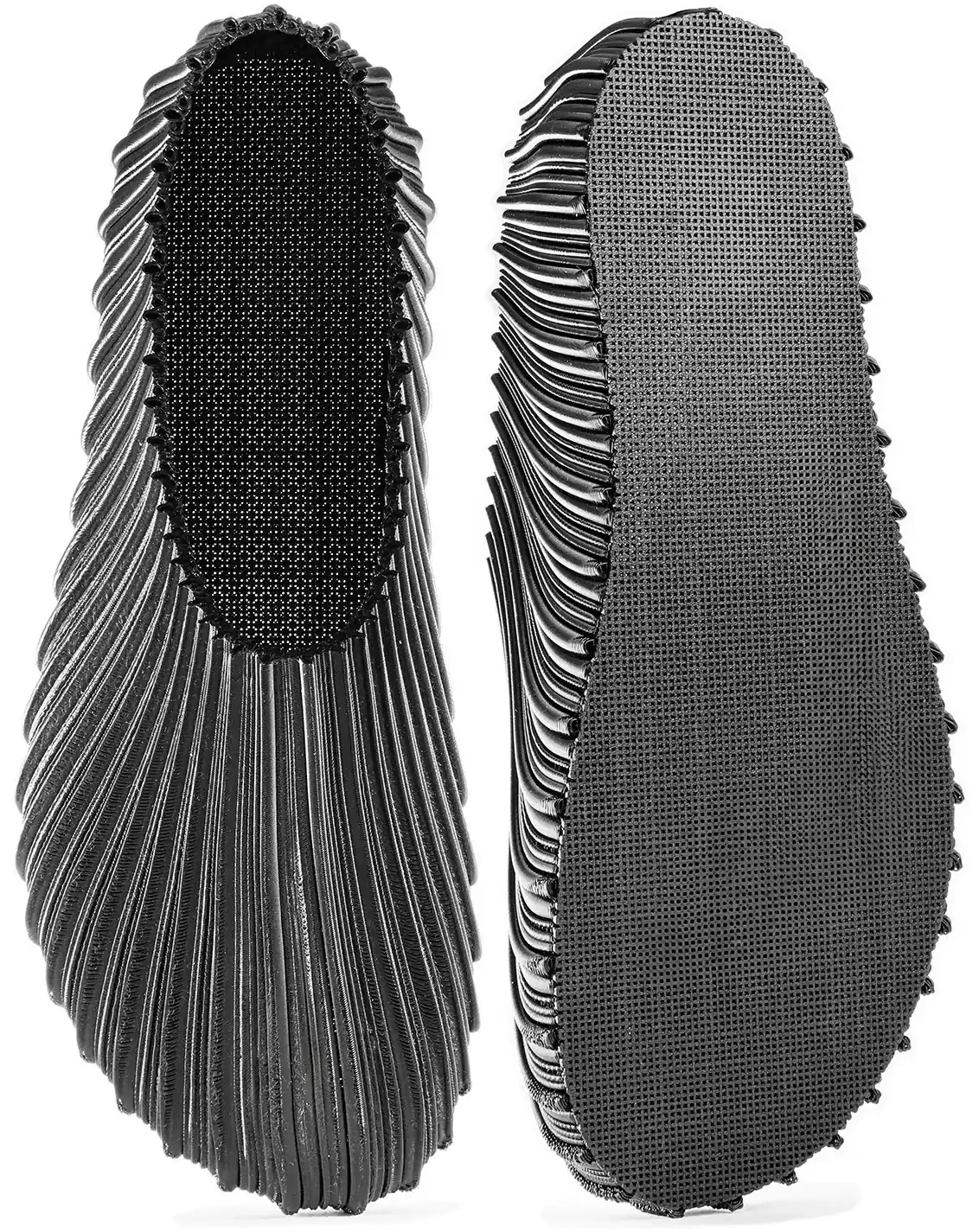
Eros
A barefoot River shoe where the print pattern repeats the word “love” in cursive, turning the structure itself into the graphic surface.
View design