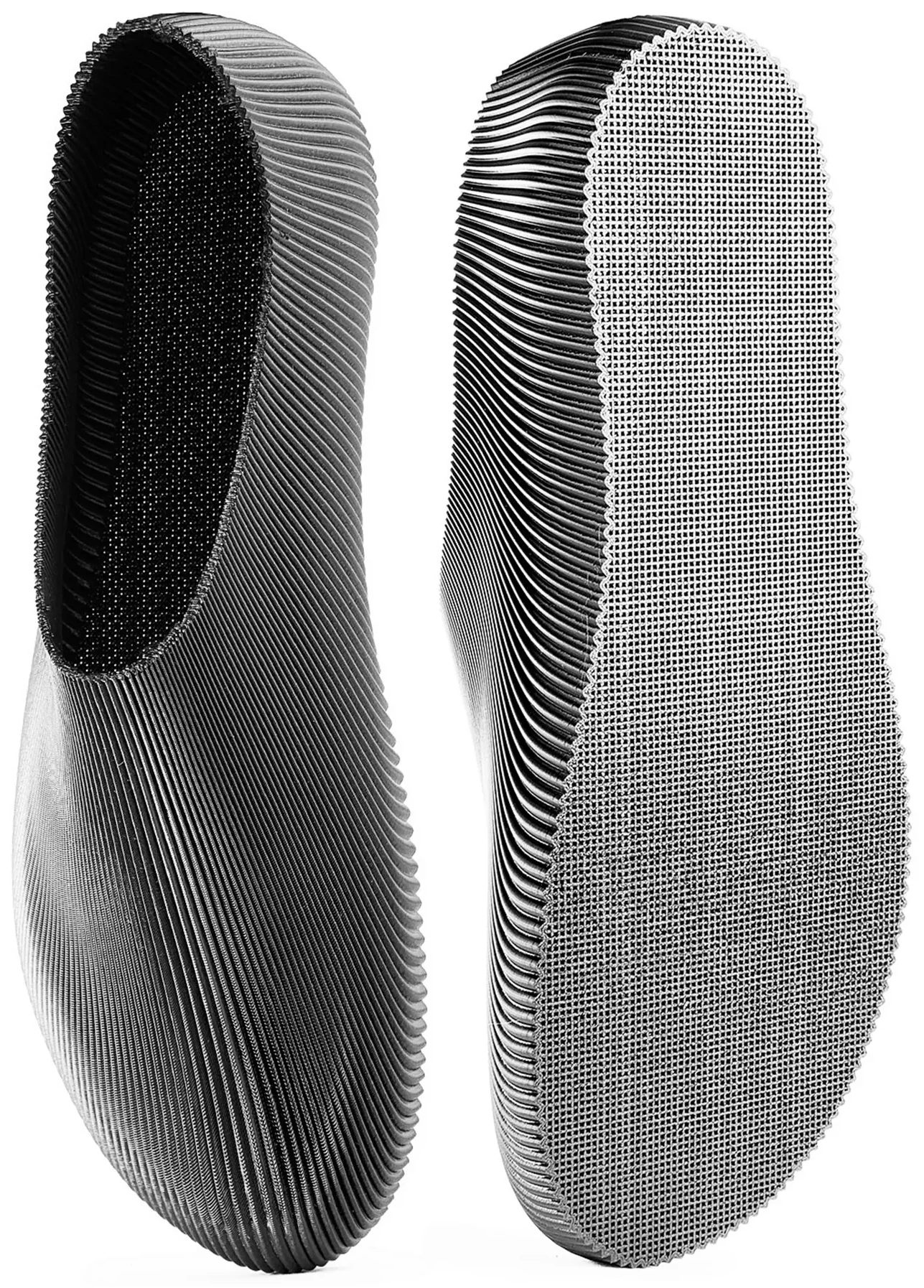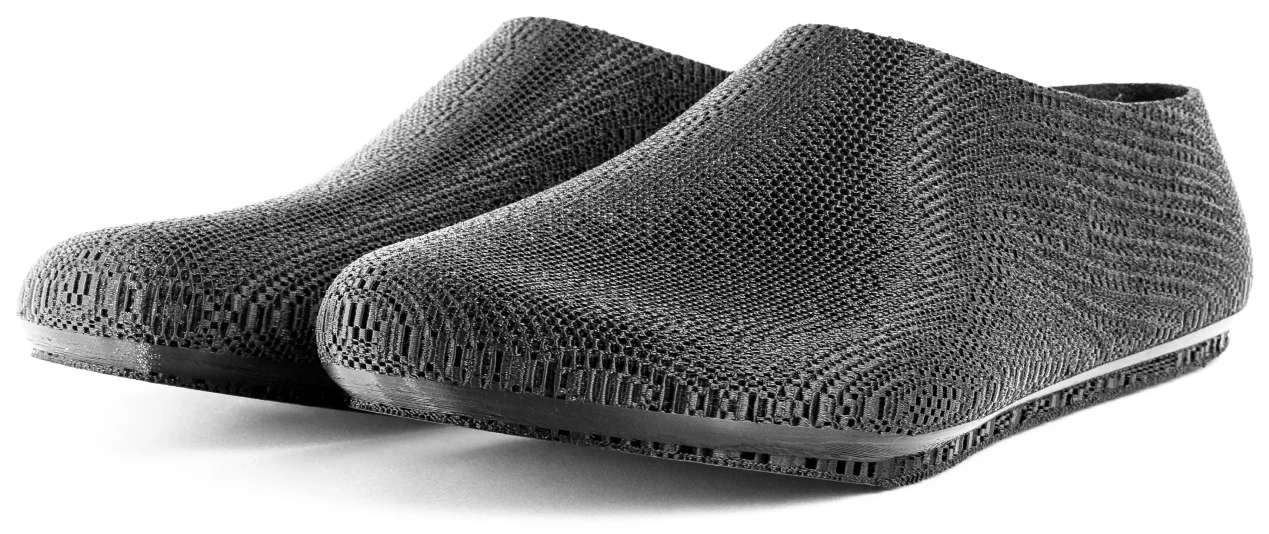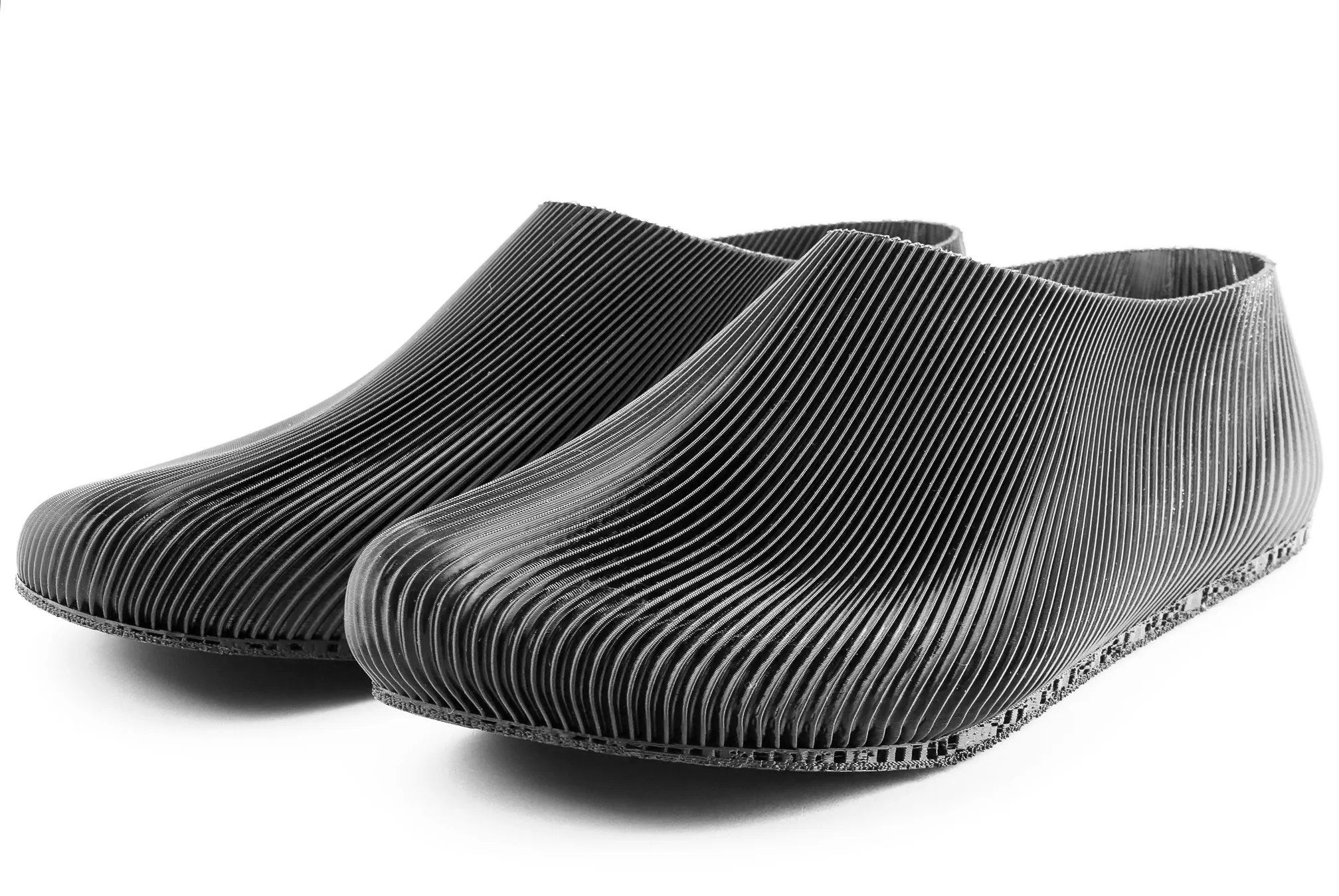
Polypropylene is one of the most important River materials because it solves problems that PLA, PETG and TPU do not solve in the same way. It can flex repeatedly, it can form living hinges, and it can make watertight parts with a single wall when the print is controlled.
Bruk and Baum use that flexibility for bottles. Bruk uses a folding cap as the seal. Baum keeps that sealing idea and adds an accordion body that can fold into itself when the bottle is empty.
Jem uses the same material logic for a tap water filter. The opening flower-like top, the water path and the filter body all benefit from PP being food safe, water-stable and able to bend without giving up immediately.
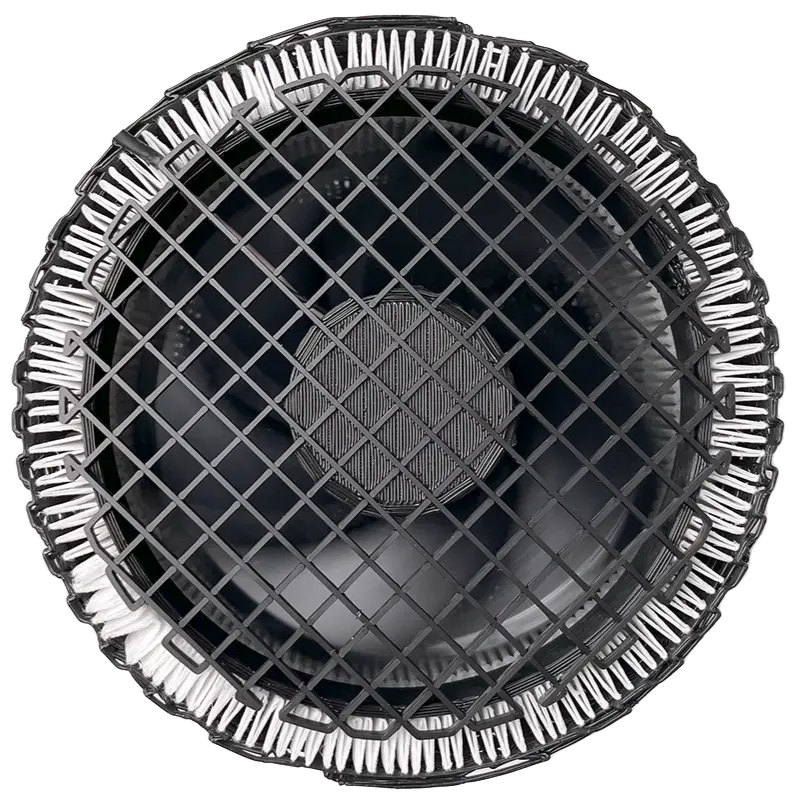
Yuki uses polypropylene differently. In the air cooler, the useful property is the watertight frozen pack, not food-contact drinking use. The ice pack needs to hold water and survive freezing and handling inside the cooler workflow.
The hard part is printing it. Polypropylene does not stick to a normal bed reliably, so River prints it on transparent tape because that tape is usually polypropylene too. Similar material meets similar material, and adhesion becomes much more realistic.
The second rule is speed. PP has to print slowly. If it is rushed, it overheats and the result gets worse. The point is not maximum print speed; the point is a clean watertight wall and a living hinge that survives use.
That is why several River PP designs use joined G-code. Different zones need different settings: overhangs, hinges, walls, sealing areas and clean water paths cannot all be treated as the same geometry. The final object is the model plus the sliced path.
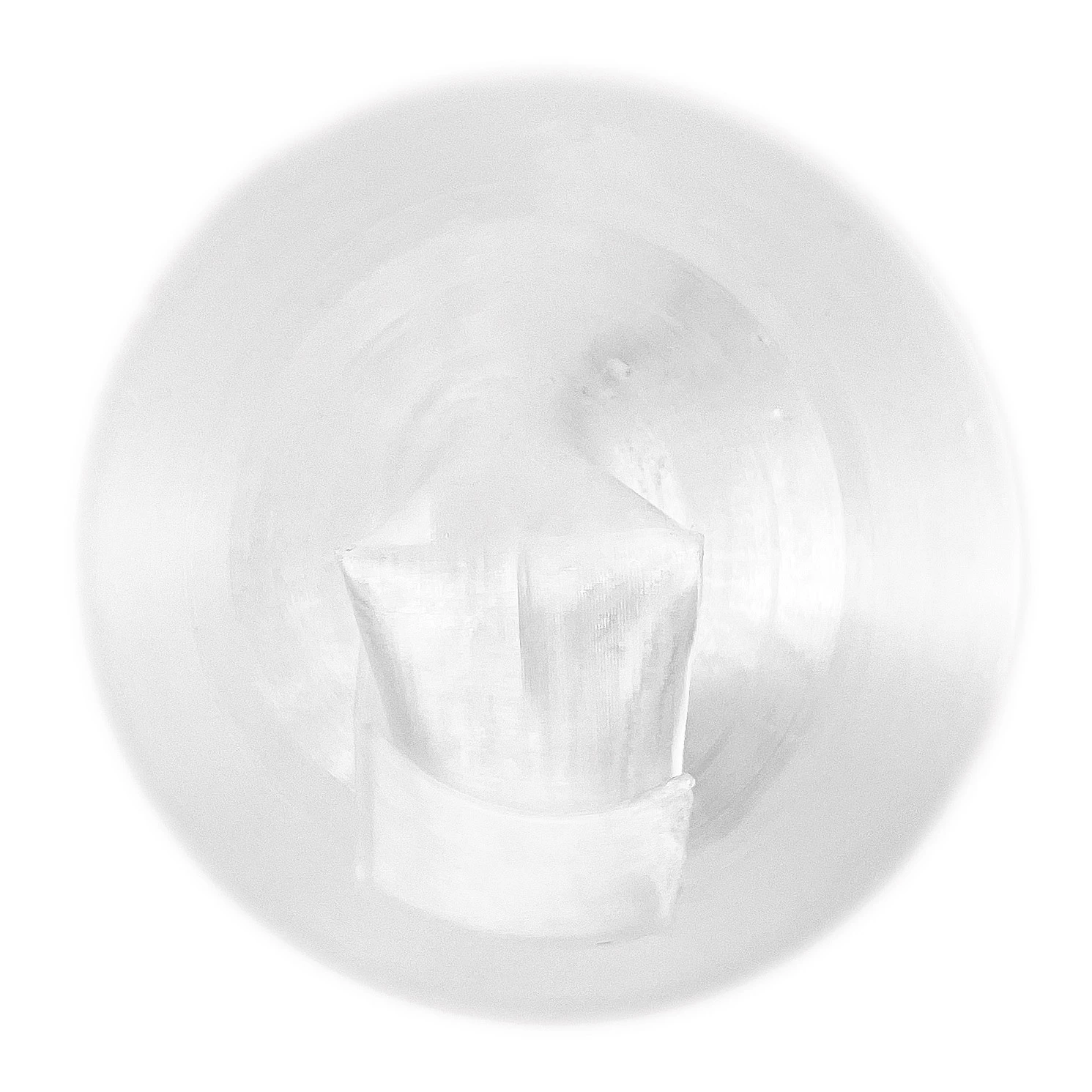
Bruk
A simple polypropylene bottle printed from joined Cura G-code sections. Its folding cap becomes the seal: when the cap bends into position, water stops coming out.
View design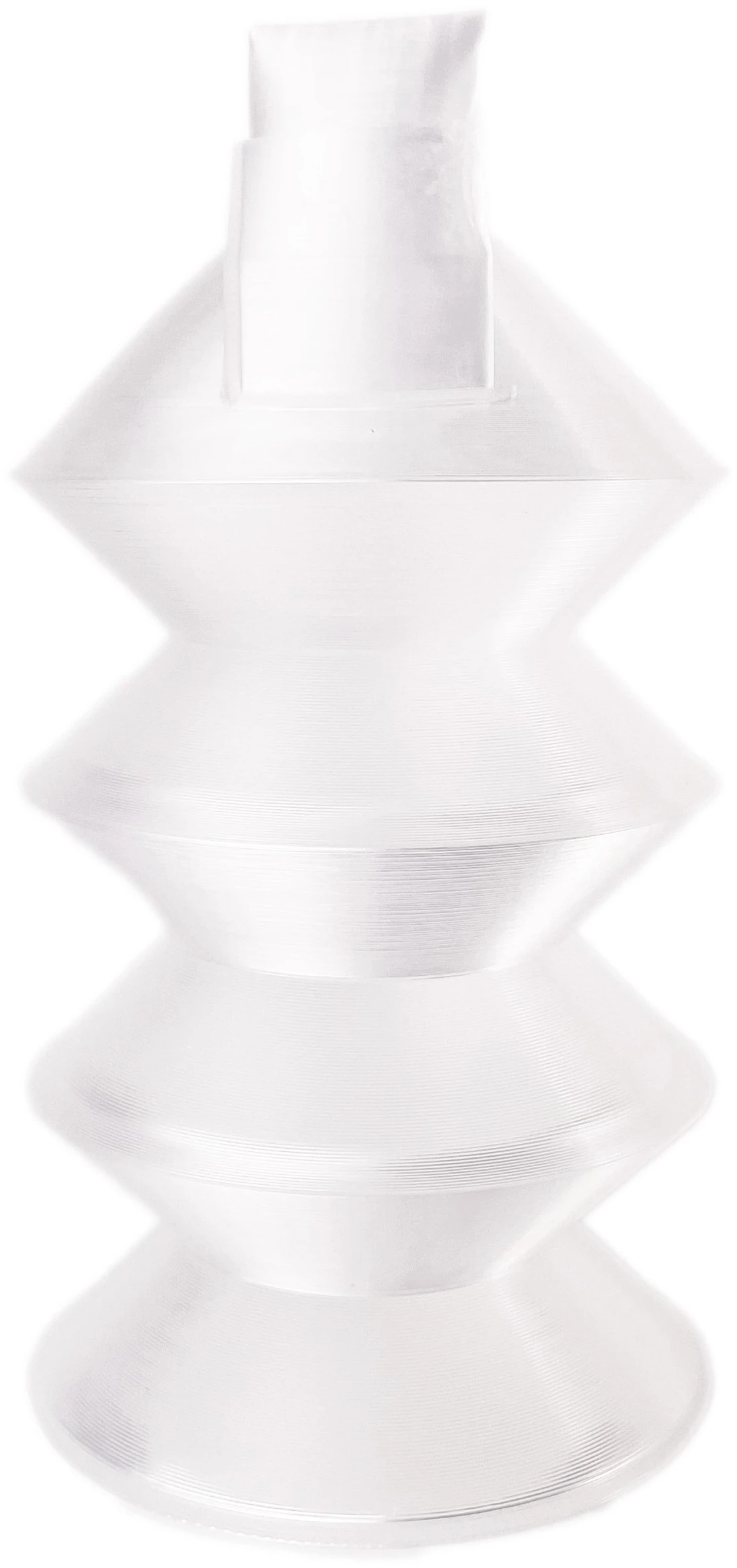
Baum
A collapsible polypropylene bottle made with the same joined-G-code approach as Bruk. The cap folds to seal, and the body can fold into itself like an accordion when empty.
View design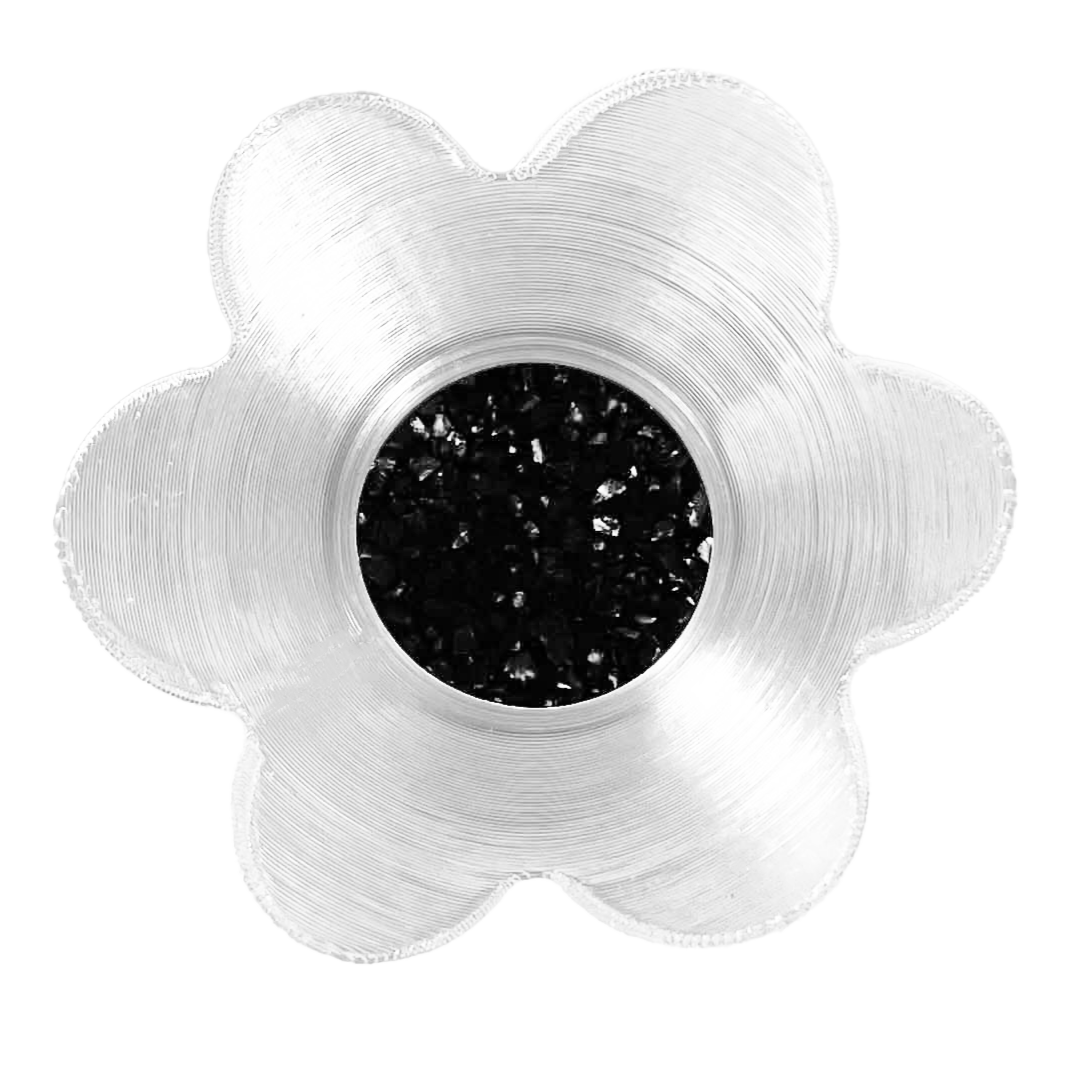
Jem
A polypropylene tap water filter for activated carbon. The flower-like top opens for filling, the body attaches to standard taps, and the bottom grid holds carbon while water passes through. Joined G-code keeps the water path cleaner by reducing micro-stringing.
View design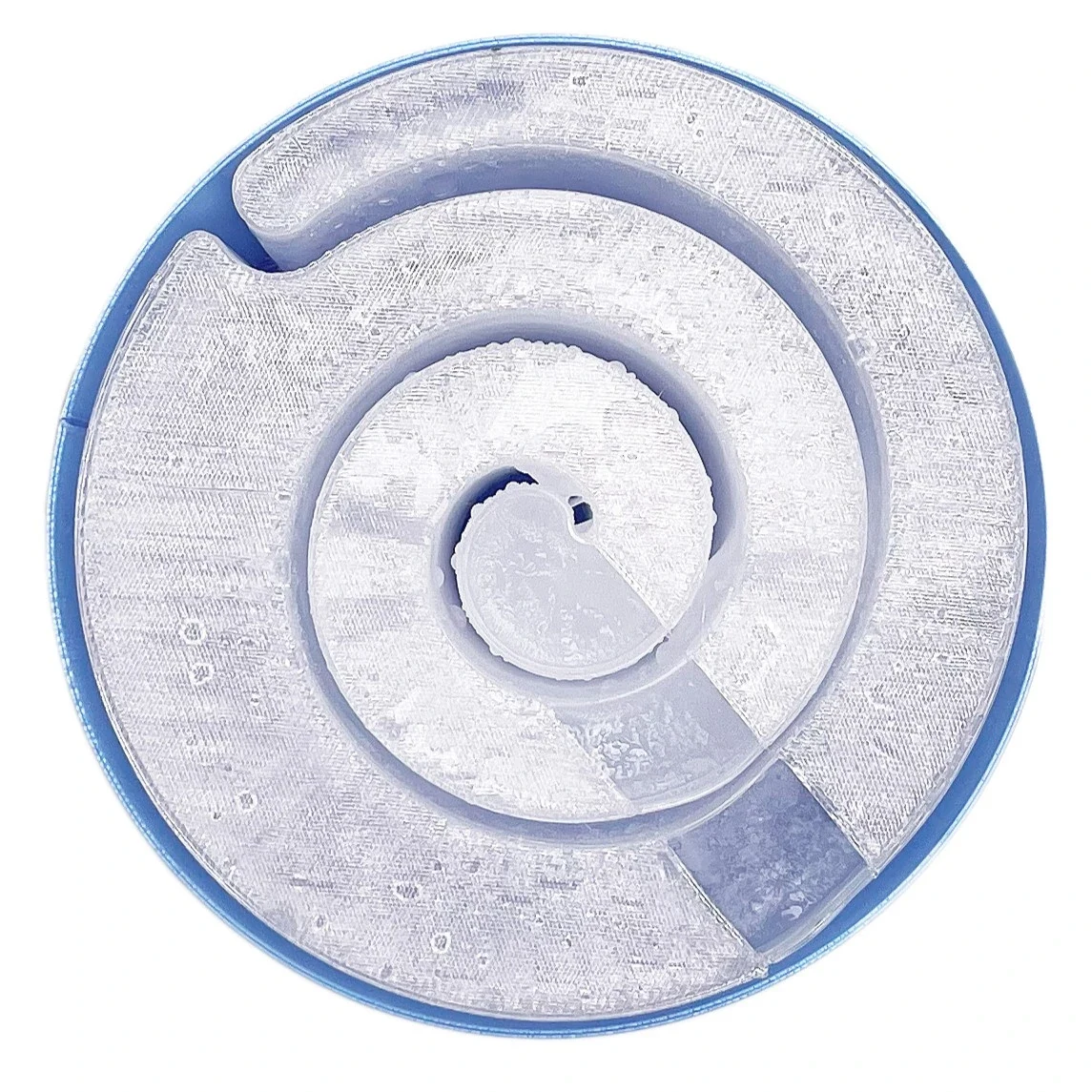
Yuki
A full-size ice-pack air cooler built from printed parts, a quiet USB fan and a frozen water pack. Freeze the pack overnight, place it inside, and Yuki sends a steady cooler stream across the desk with very low power use.
View design