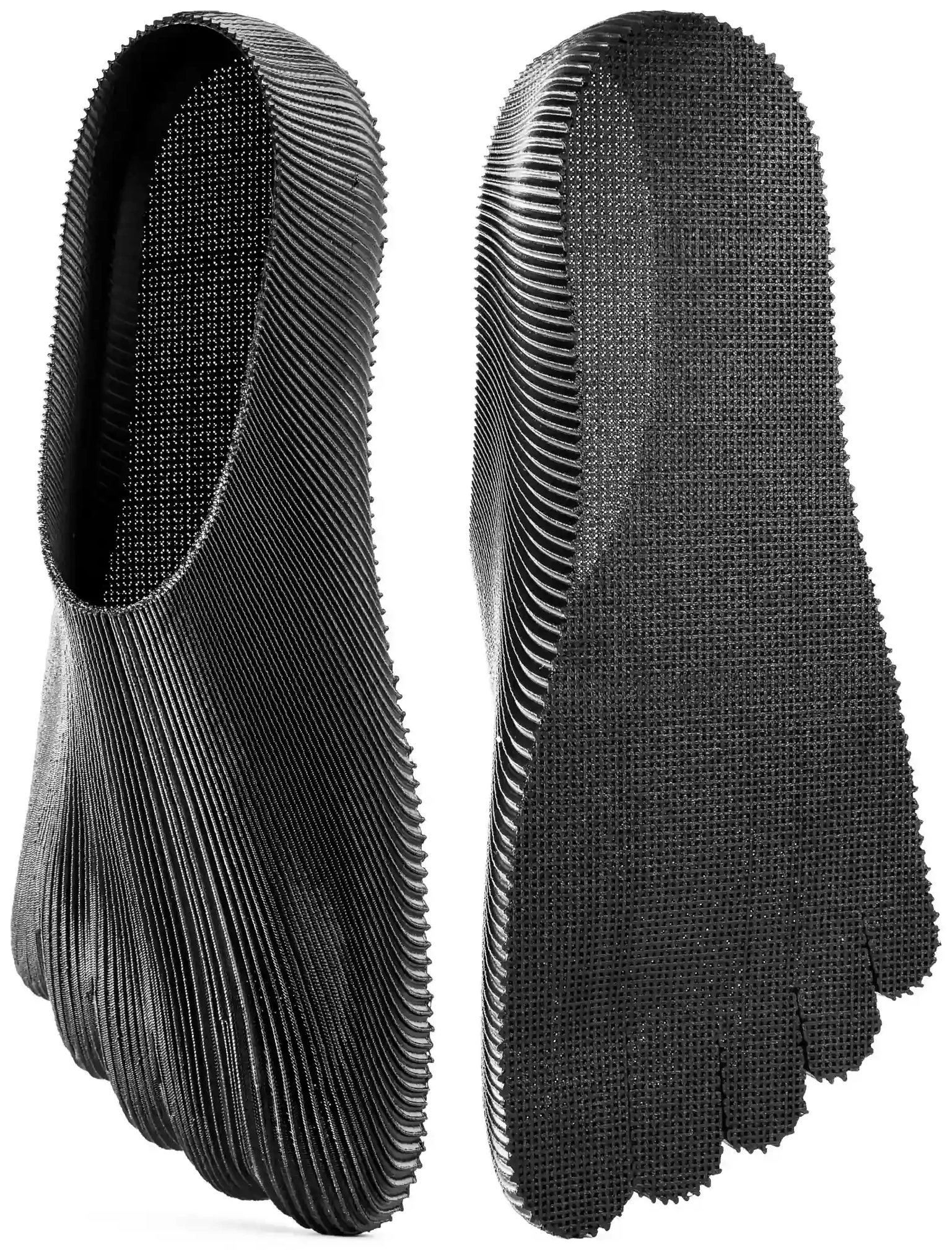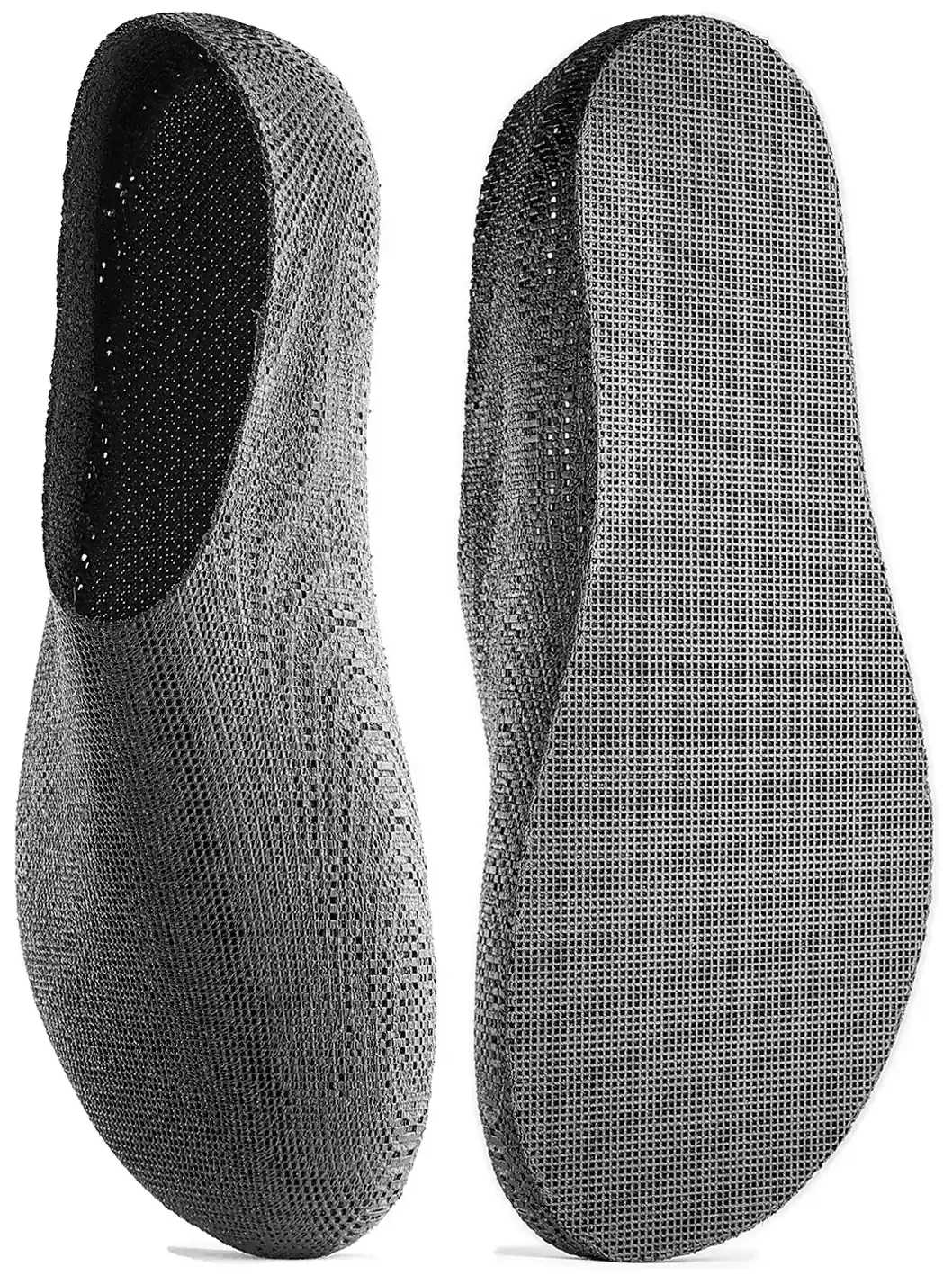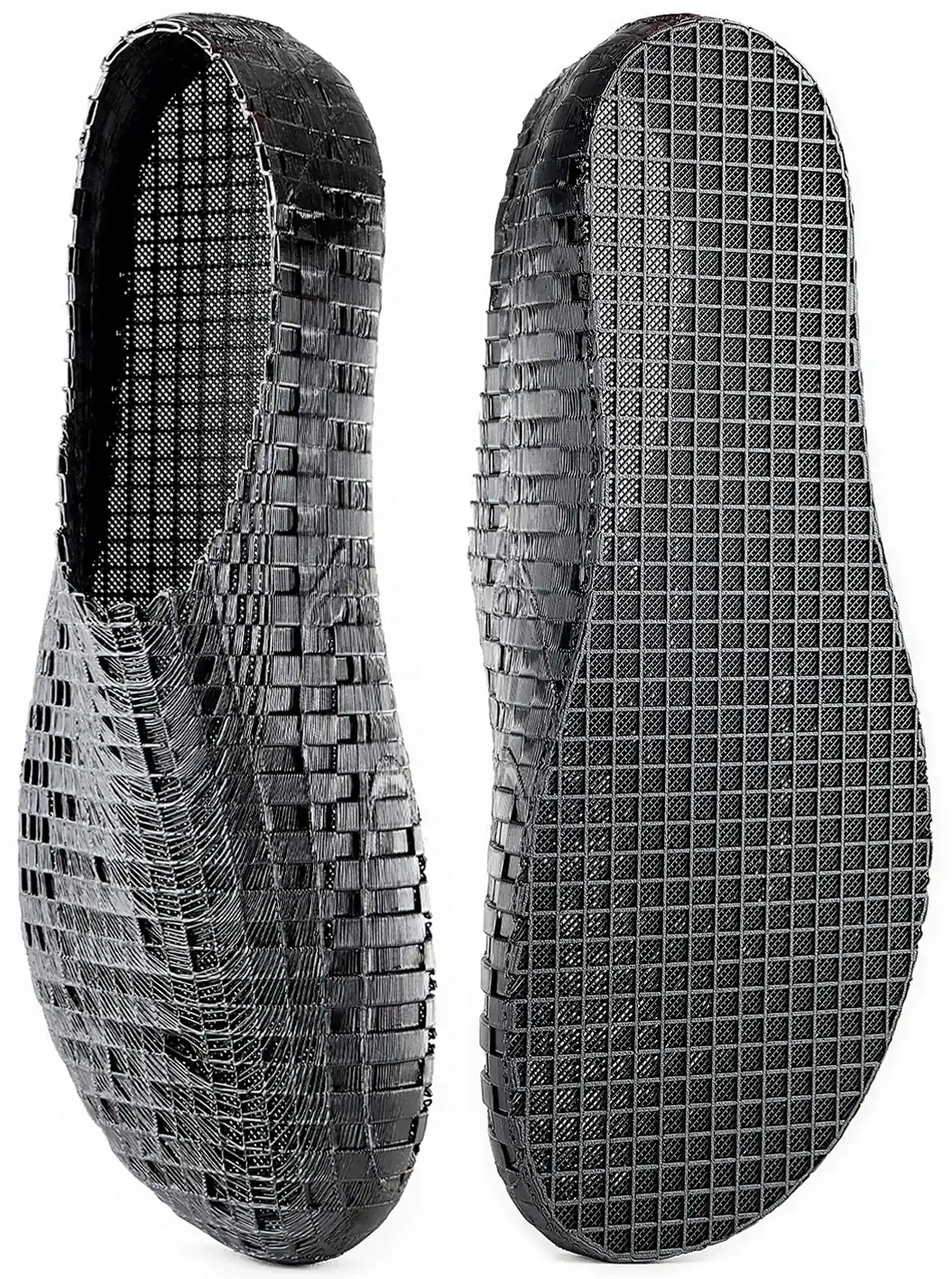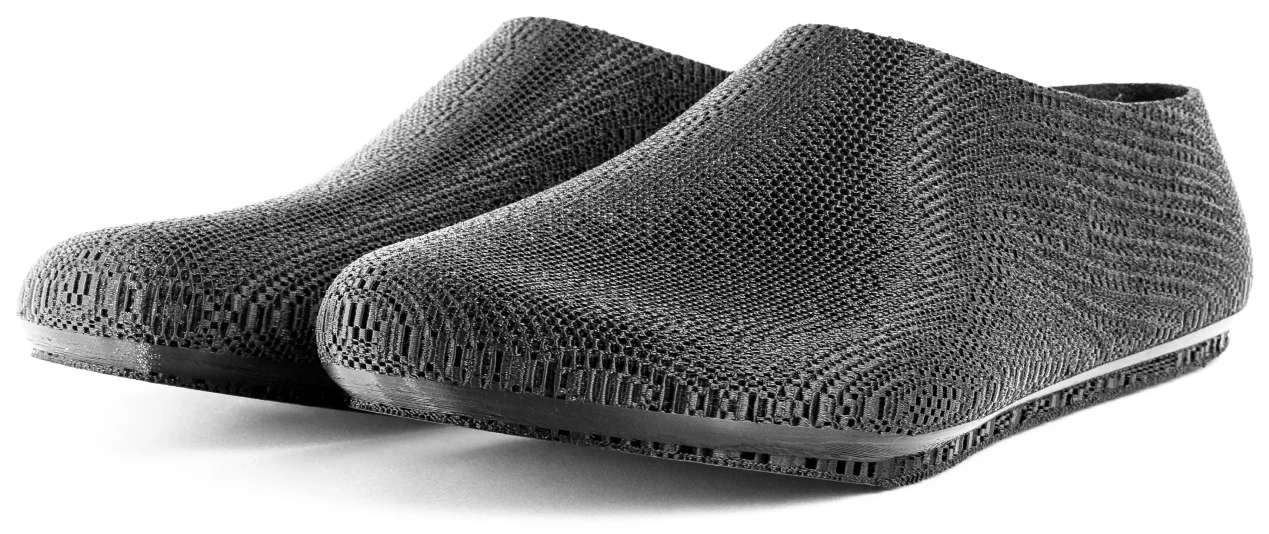
TPU hardness changes almost everything about a printed shoe. A harder TPU is easier to print, holds detail better and can make the file feel more predictable. A softer TPU can feel more natural underfoot, but it is more demanding and can expose every weakness in the printer setup.
Many maker comments revolve around 95A because it is available and manageable. It is a practical starting point, but not always the most comfortable endpoint. A clean 95A print may still feel too stiff for barefoot wear, especially if the surface touches the foot directly.
Around 85A, the shoe can become more forgiving and more durable at the same time, because the material bends instead of concentrating stress in one hard crease. In River testing, the most durable direction has been the more flexible 85A range, as long as extrusion and bonding stay clean.
Layer adhesion is fundamental in printed footwear. A shoe bends thousands of times in the same zones, so weak bonding between layers is not a small cosmetic issue. It is often the difference between a print that survives wear and a print that opens at the flex line.
That is why foamy TPU needs caution. It can be attractive because it sounds soft and light, but it often gives weaker layer adhesion than a dense TPU. For shoes, softness is useful only when the layers are still bonded well enough to handle repeated bending.
Flexible filament likes dry storage, tuned flow, slower speeds and a toolpath that does not fight the material. The material is part of the design, not just a color choice.
A practical rule: if this is your first shoe print, start with a proven profile and a manageable TPU. If you already know your printer handles soft filament well, then 85A is where comfort and durability start to get interesting.
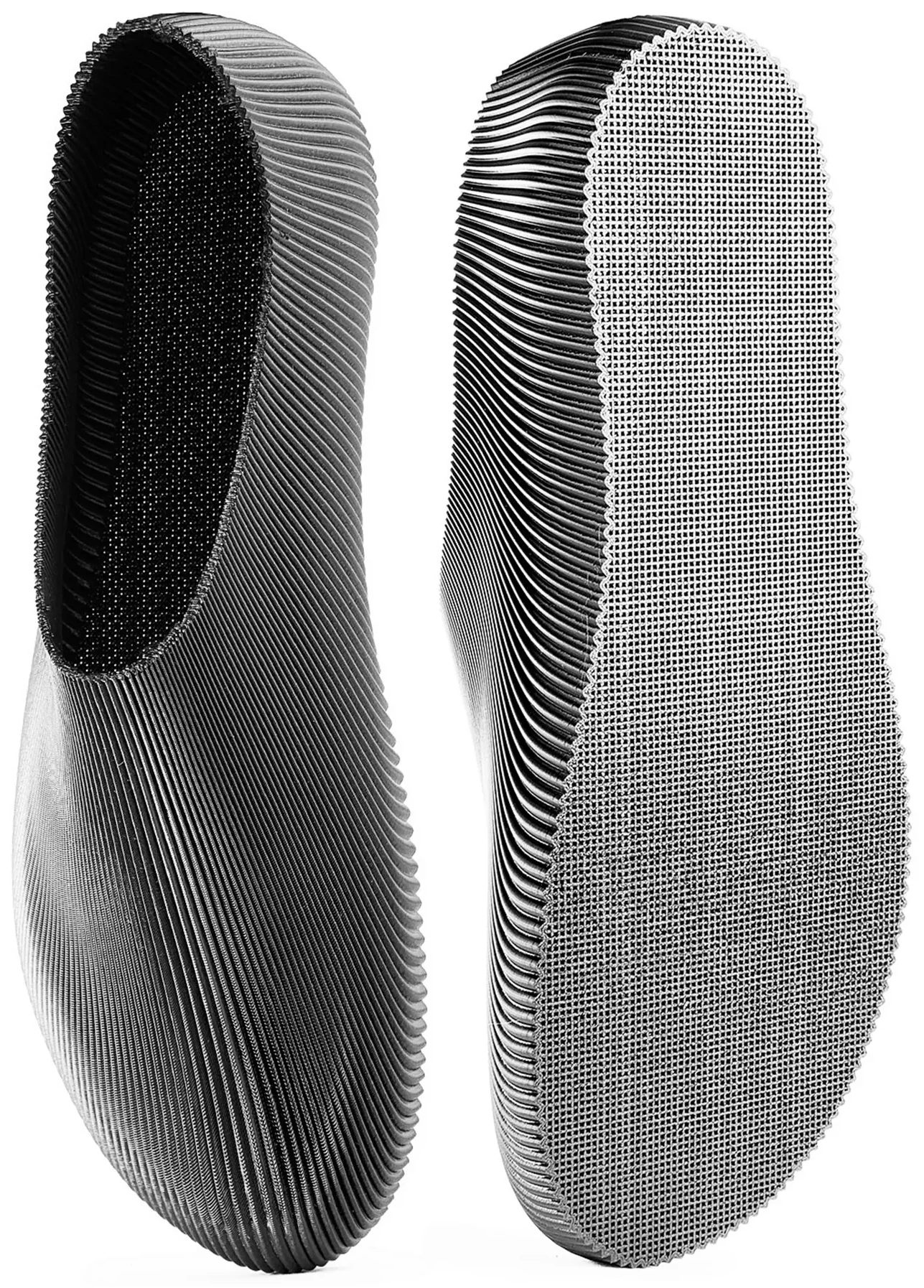
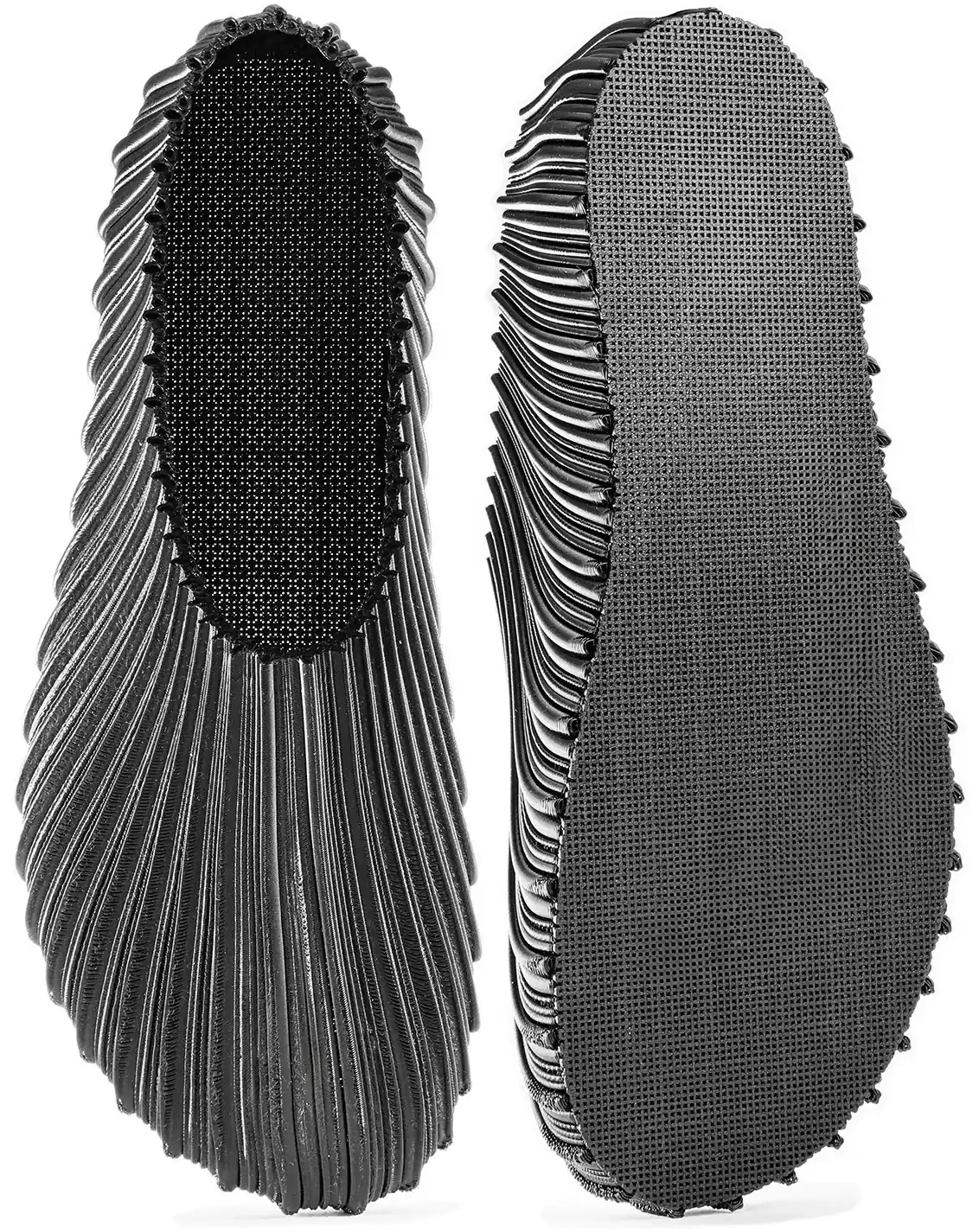
Onda
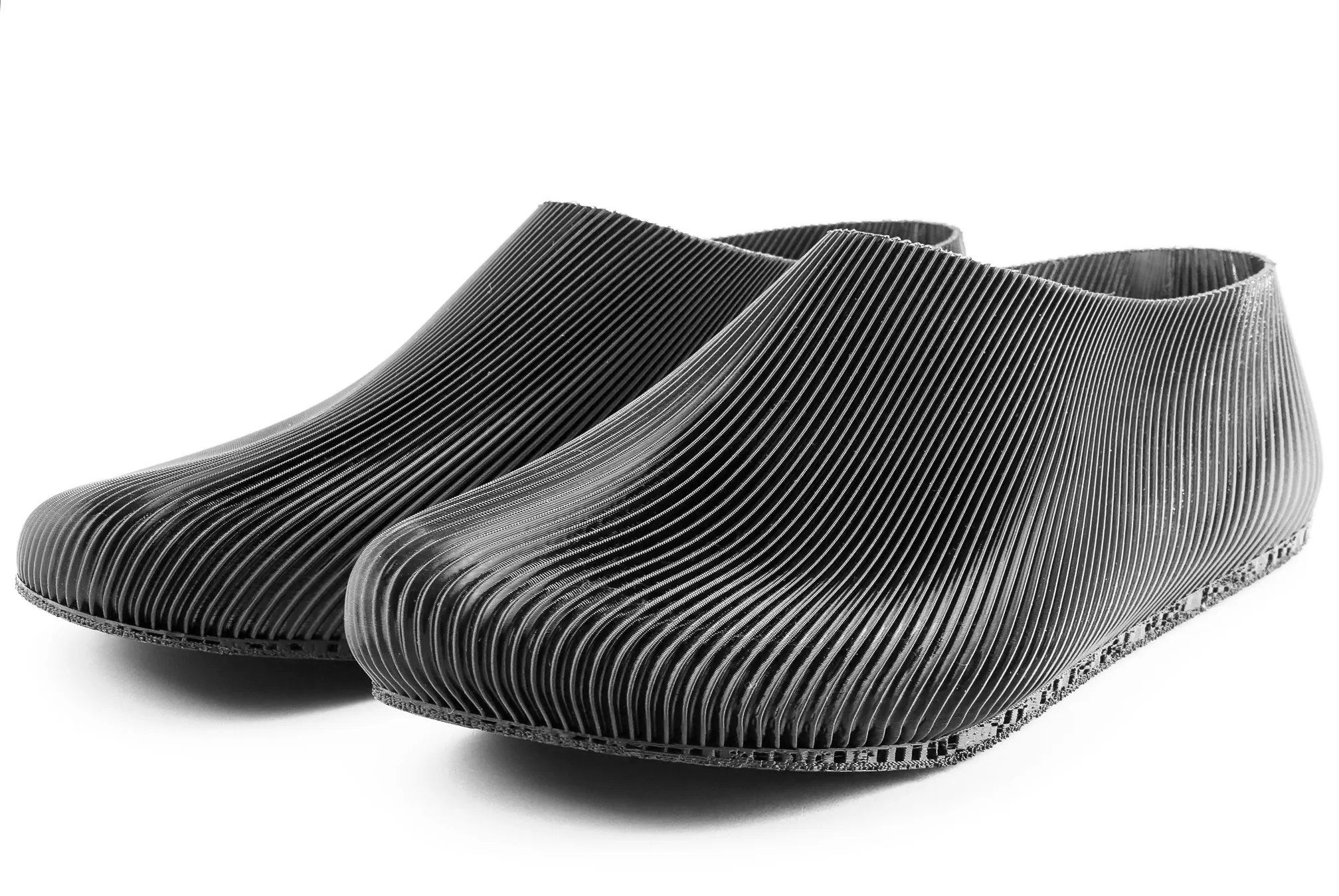
River’s best barefoot pattern for comfort and durability: a smoother inside surface that can be worn without socks, generated from direct Grasshopper toolpaths with interleaved semicircular curves per layer.
View design