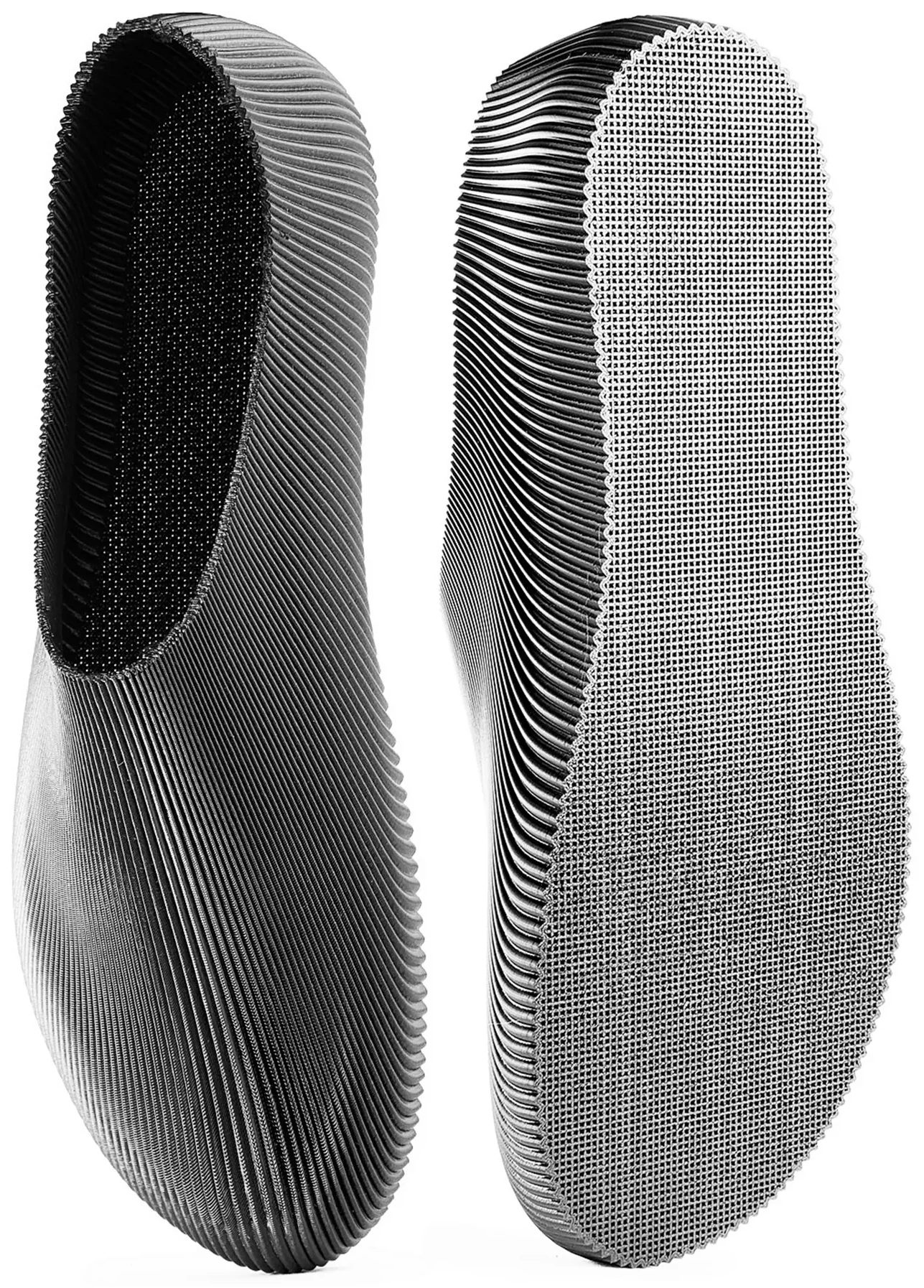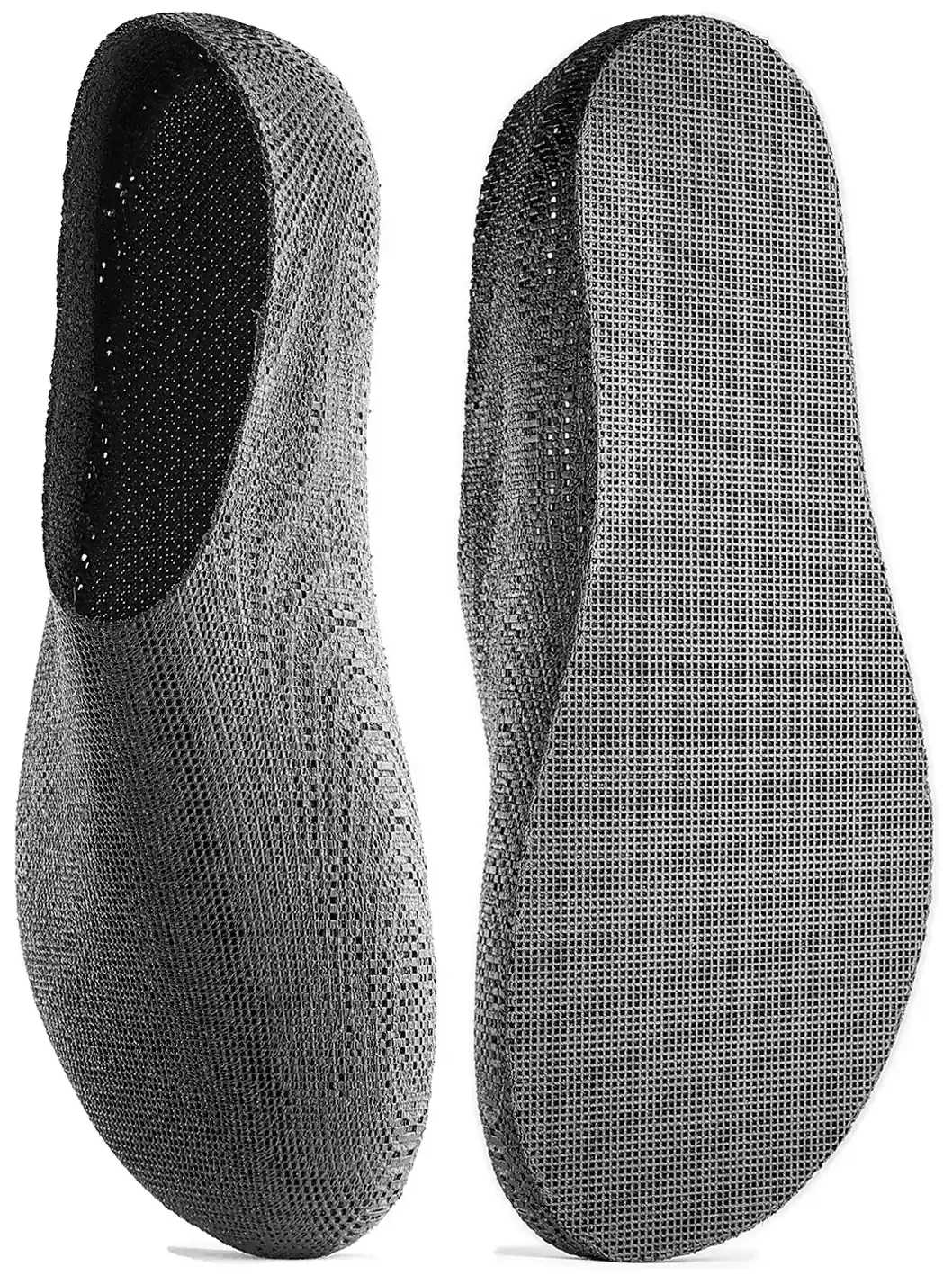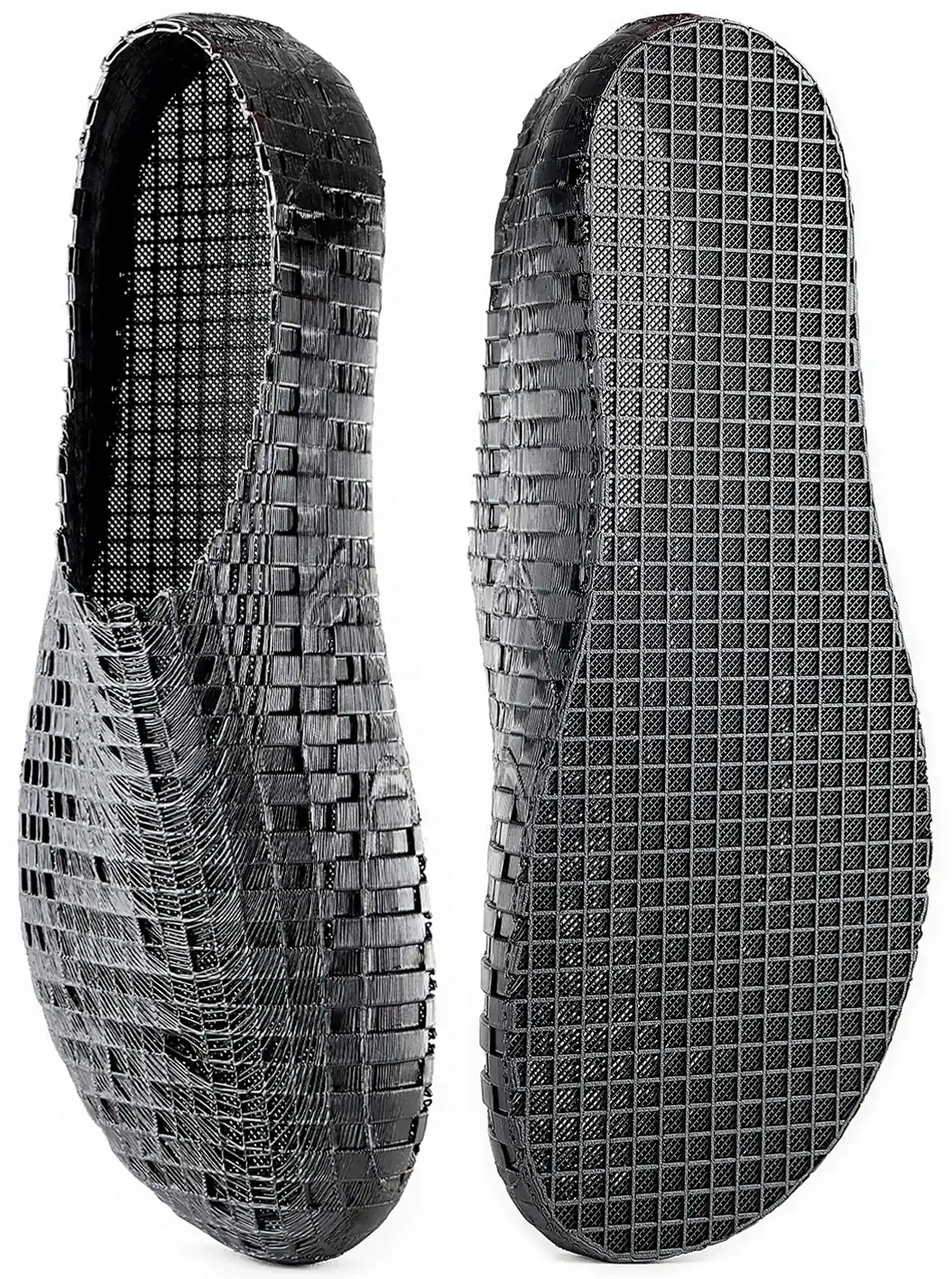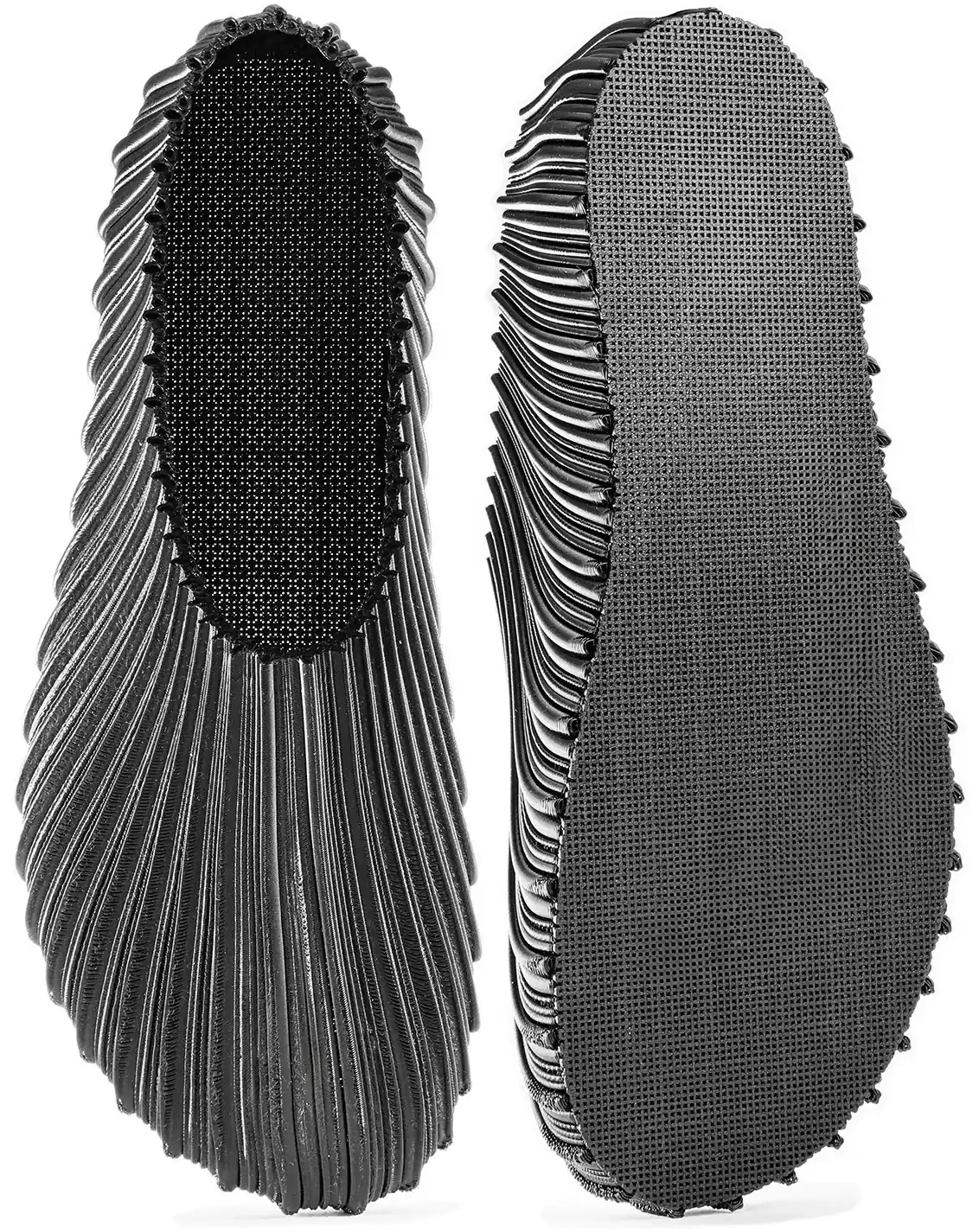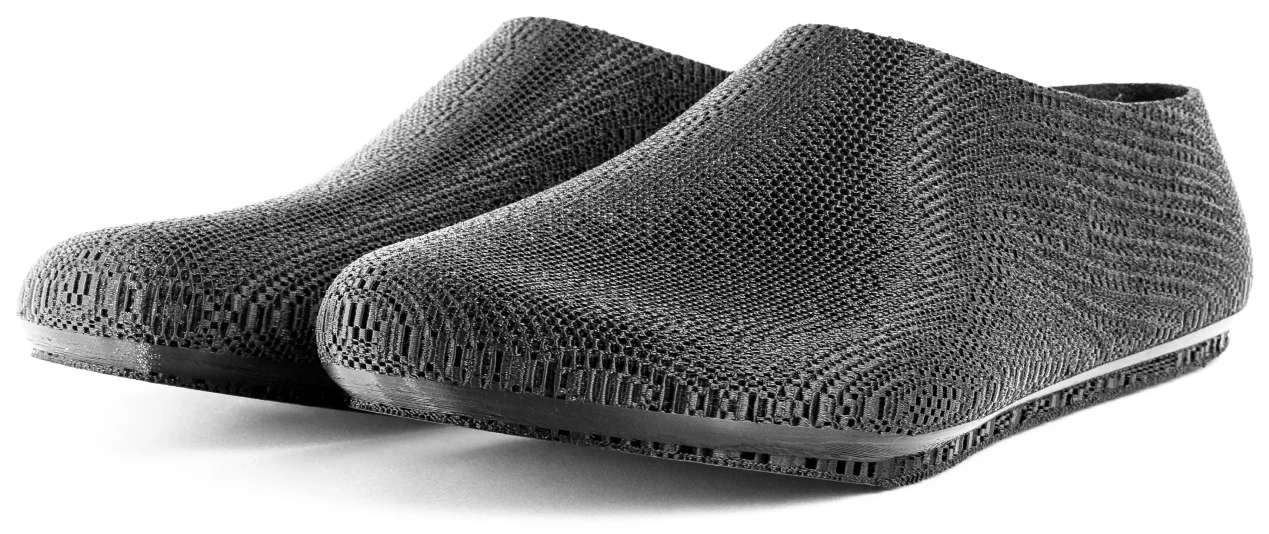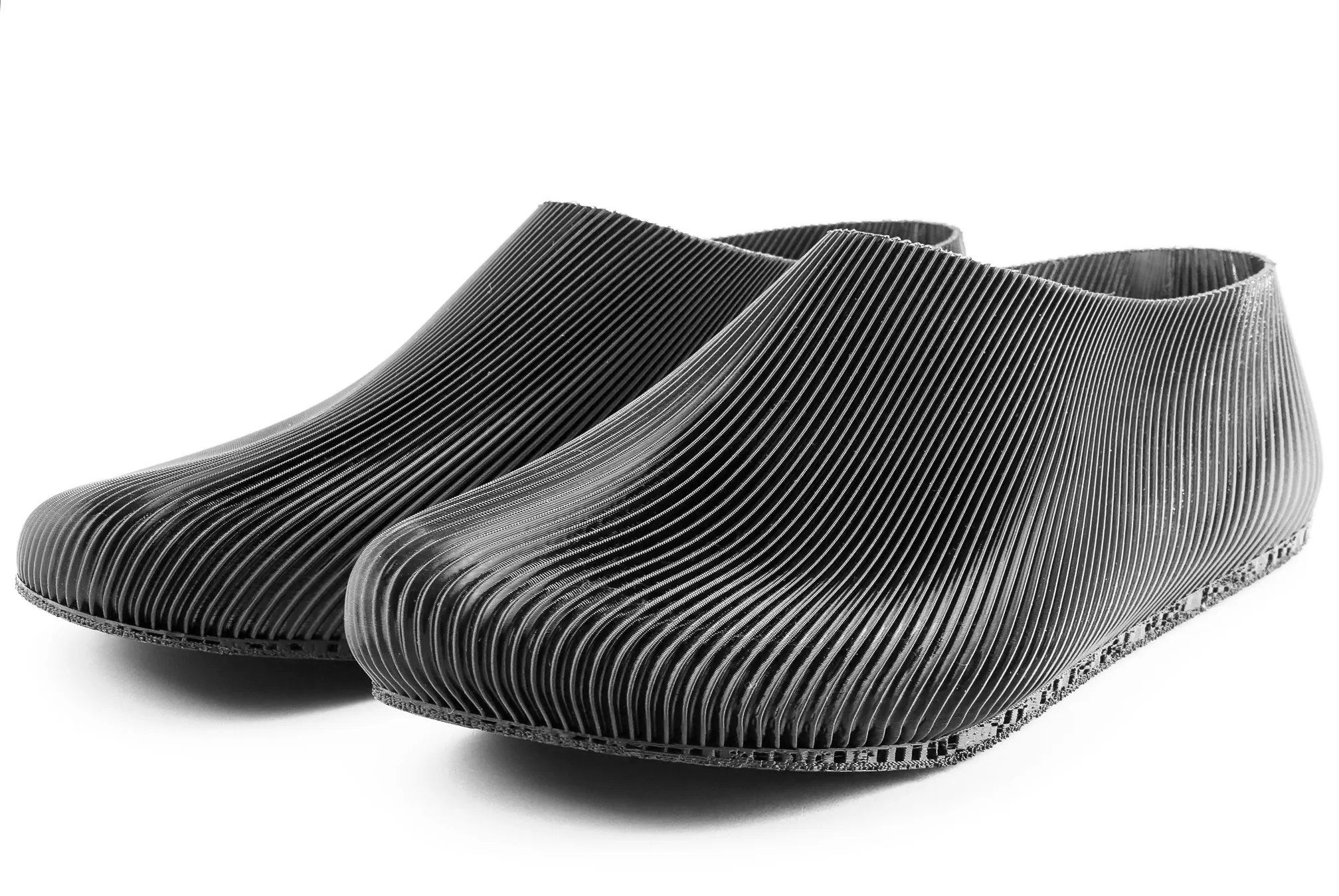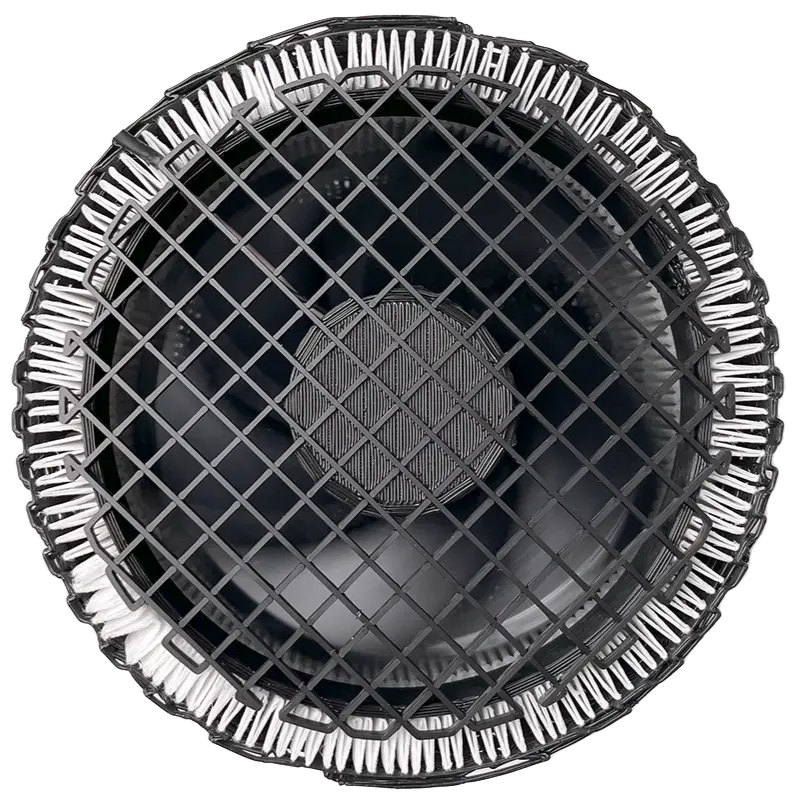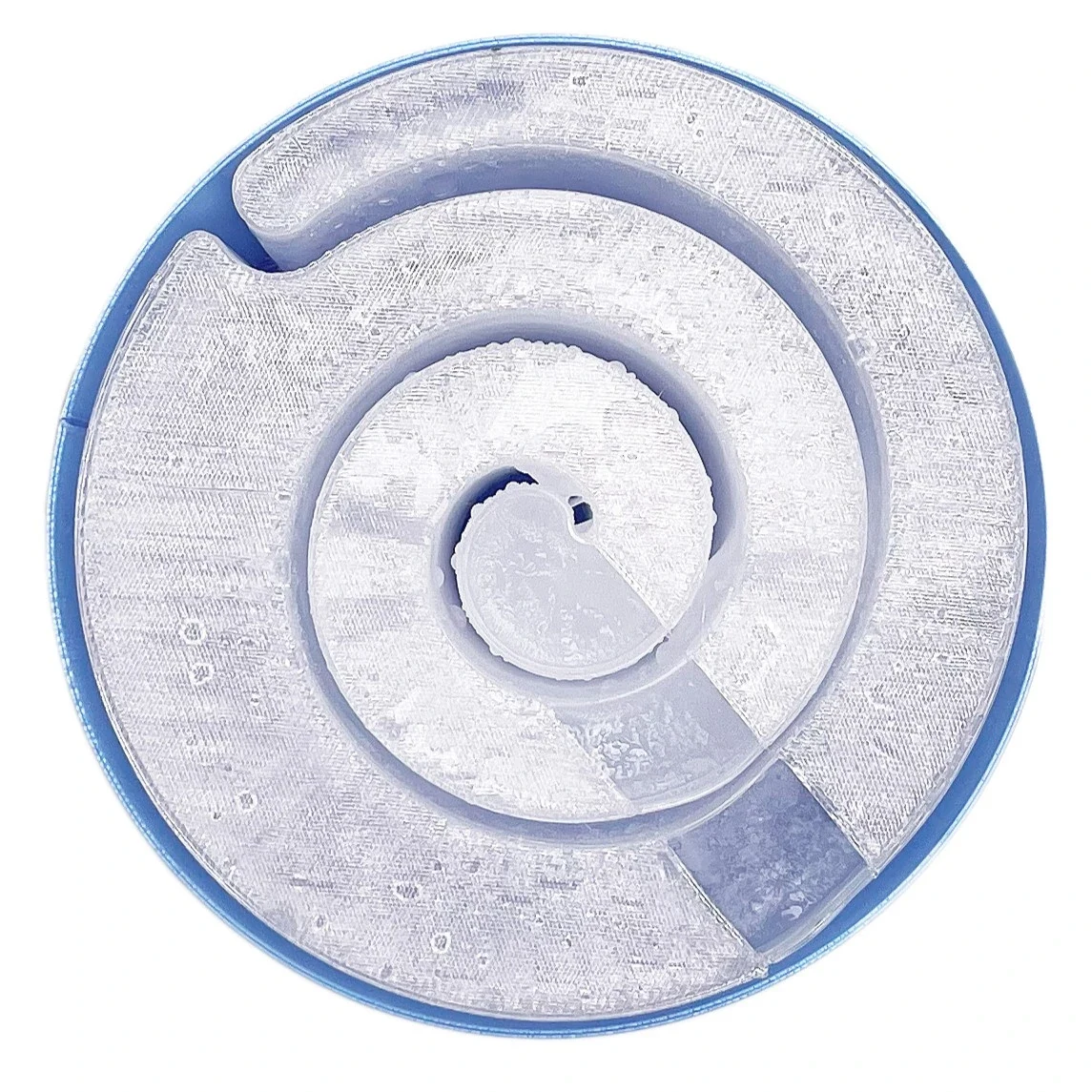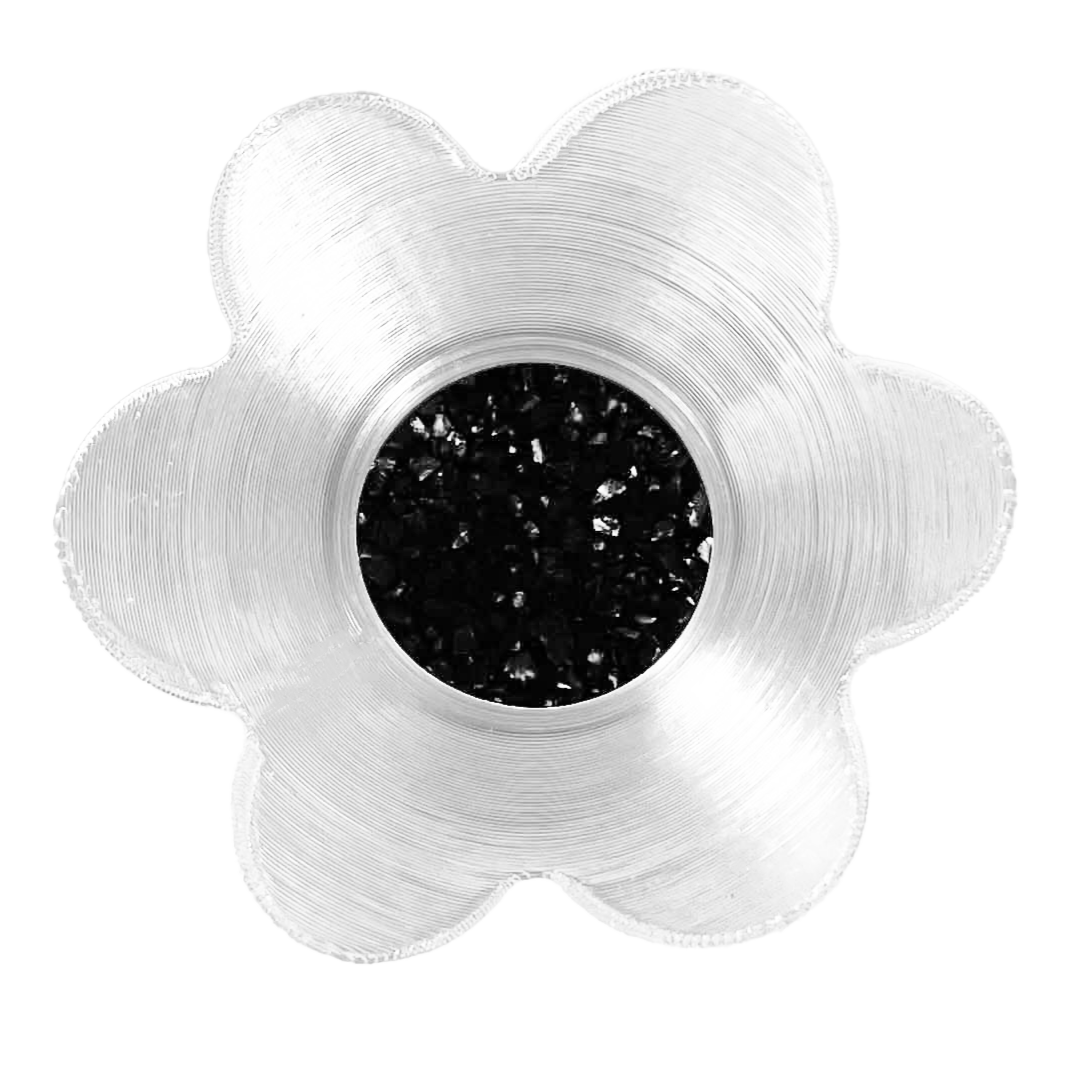
3D printed shoes look weird because they are not trying to imitate stitched sneakers perfectly. The visible structure is the point: layers, holes, bridges, ribs and toes show how the object was made.
That weirdness creates the reaction. Reddit comments often swing between jokes, disbelief, curiosity and genuine admiration. A shoe that looks completely normal would avoid the jokes, but it would also lose the reason people stop scrolling.
There is a design advantage in being visibly printed. The structure can flex, ventilate and create patterns that would be expensive or pointless in a normal shoe factory. It also tells the maker exactly where the material is working.
The challenge is to make the weirdness useful. A strange toe box is better when it gives toe room. A gridded bottom is better when it breathes or flexes. A bold pattern is better when it changes movement, not only appearance.
River shoes sit in that space: not invisible, not generic, and not apologizing for the print. They turn the print itself into the signature: strange at first glance, unmistakable on foot, and impossible to confuse with another sneaker.
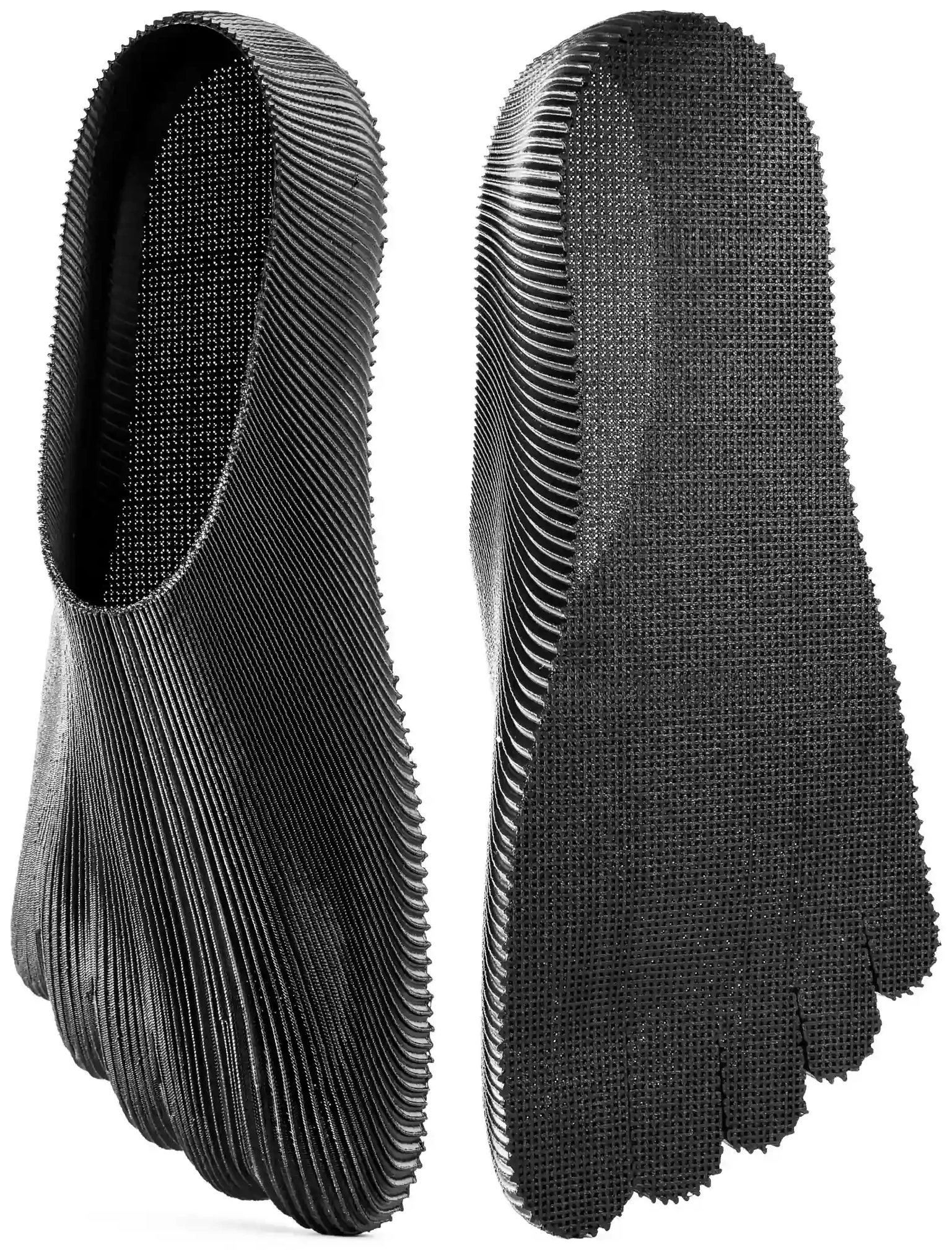
Toe
A barefoot River shoe with separated toes for more movement, using the same controlled wave-pattern idea as Onda: interleaved semicircular curves shaped around the foot.
View design