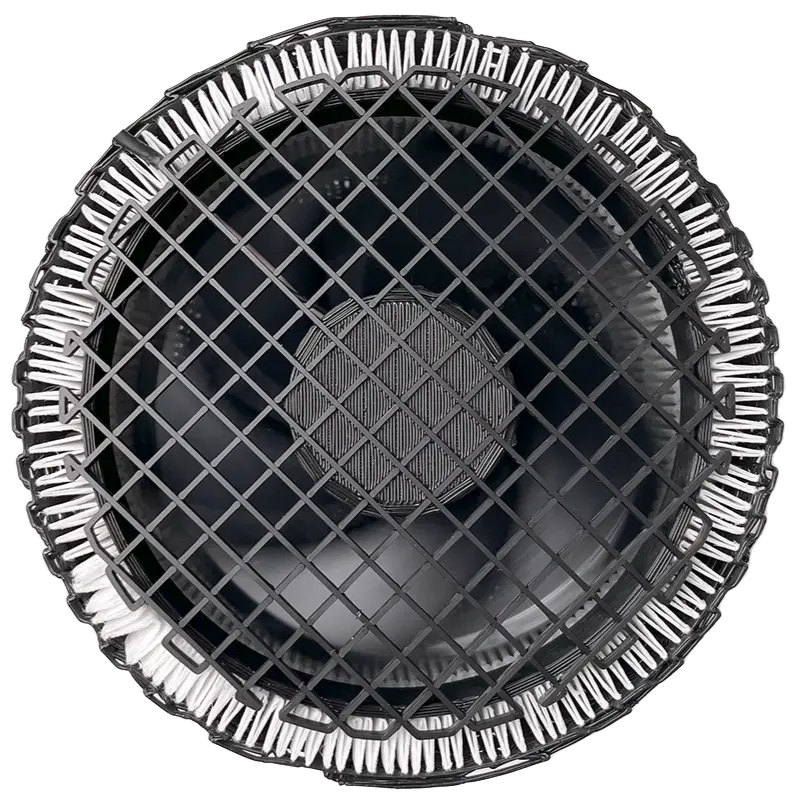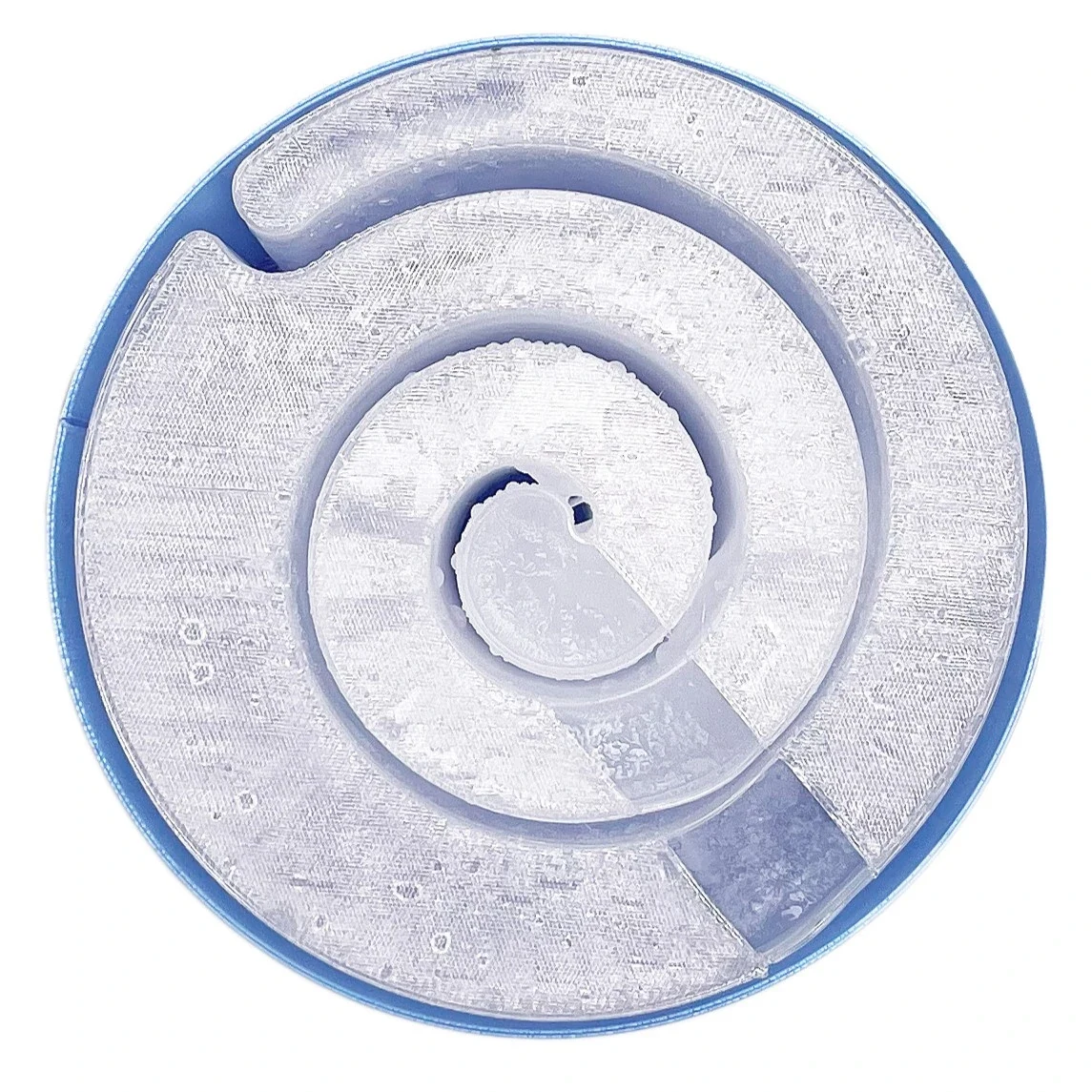
The starting point changes the whole chocolate process. Cocoa nibs are roasted cacao beans that have been peeled and broken into small pieces. Cacao paste is already 100% cacao ground into a mass.
Starting from nibs gives more control over the raw character of the bean, but it asks for patience. The melanger has to grind the pieces down, refine the texture and keep working long enough for conching to change the flavor.
Starting from 100% cacao paste is more direct, and it is the normal River shortcut for simplicity. Using 100% cacao bars means the cacao is already ground, so the melanger can focus on combining the paste with milk powder, coconut milk powder, cocoa butter or the other ingredients in the recipe. That is why a much shorter run can work.
Neither starting point is automatically better. Nibs can feel more craft and more expressive. Paste can be cleaner, faster and more predictable. The right choice depends on whether the goal is maximum control over the bean or a simpler path to a clean bar.
There is also a flavor choice. If a brighter, more acidic cacao taste is wanted, nibs can be used less aggressively: raw, lightly roasted, or conched for less time. If a rounder flavor is wanted, longer roasting and longer conching help soften the sharp edge.
Coconut milk powder adds another sourcing problem. Most coconut milk powders use maltodextrin in production, so a true 100% coconut milk powder is harder to find, made by fewer producers and usually much more expensive. That is the cleaner ingredient Alessio tries to choose for Stop.
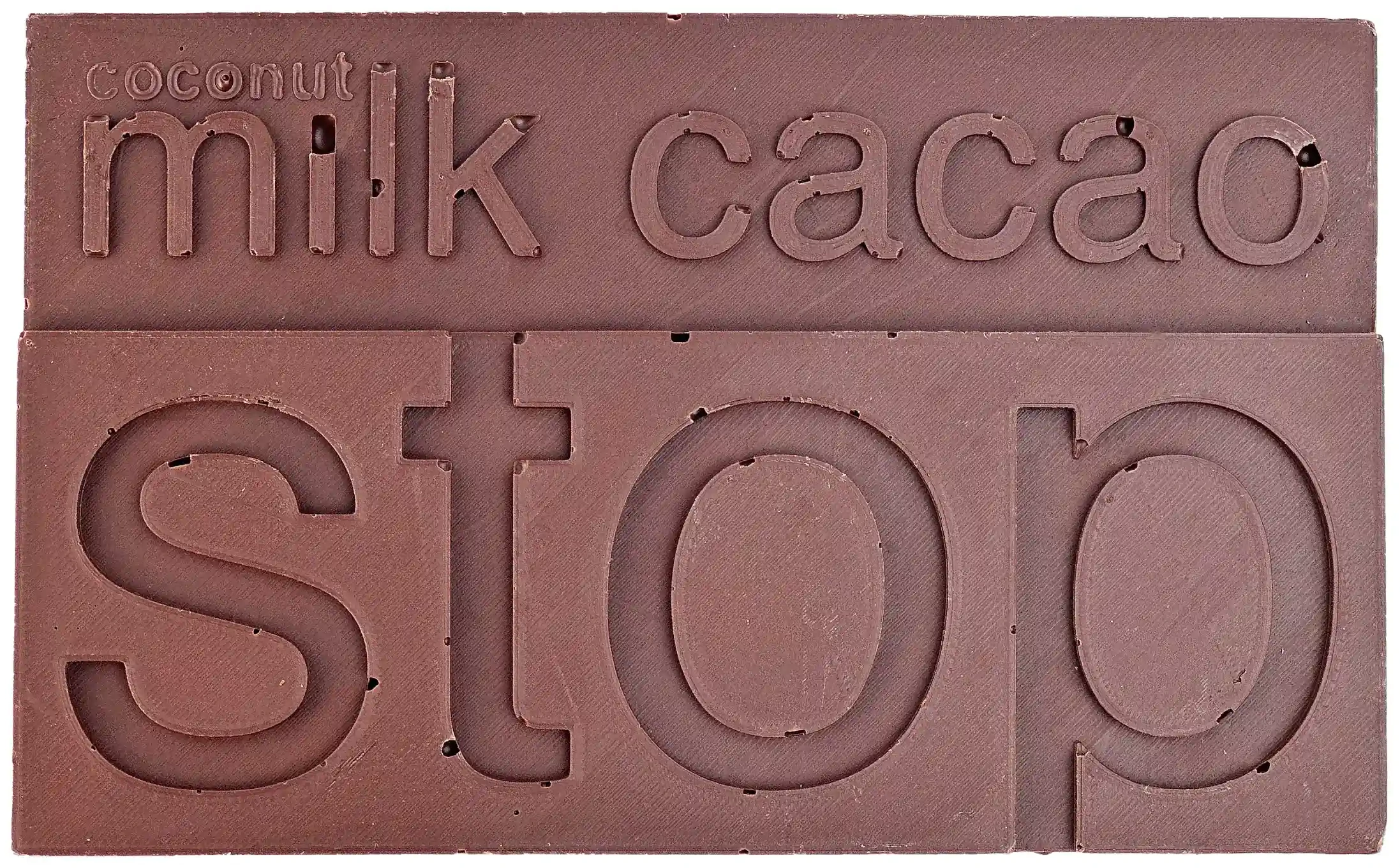
Stop
The first standalone River cacao bar: vegan, bitter and built around 62% cacao with 38% coconut milk powder. The same rounded 62/38 proportion shapes the bar, while the coconut fat gives it a clean melt-in-the-mouth texture.
View design