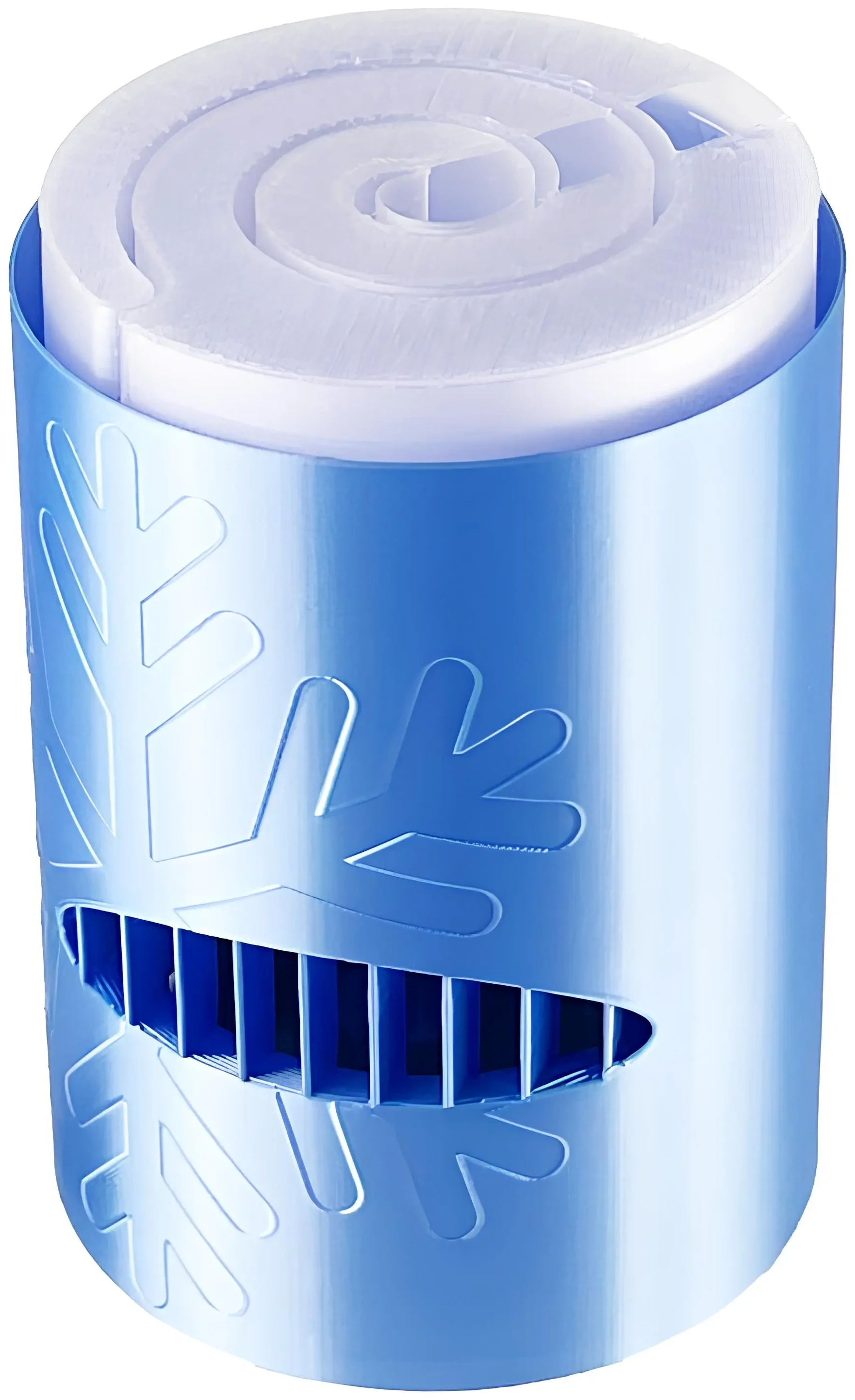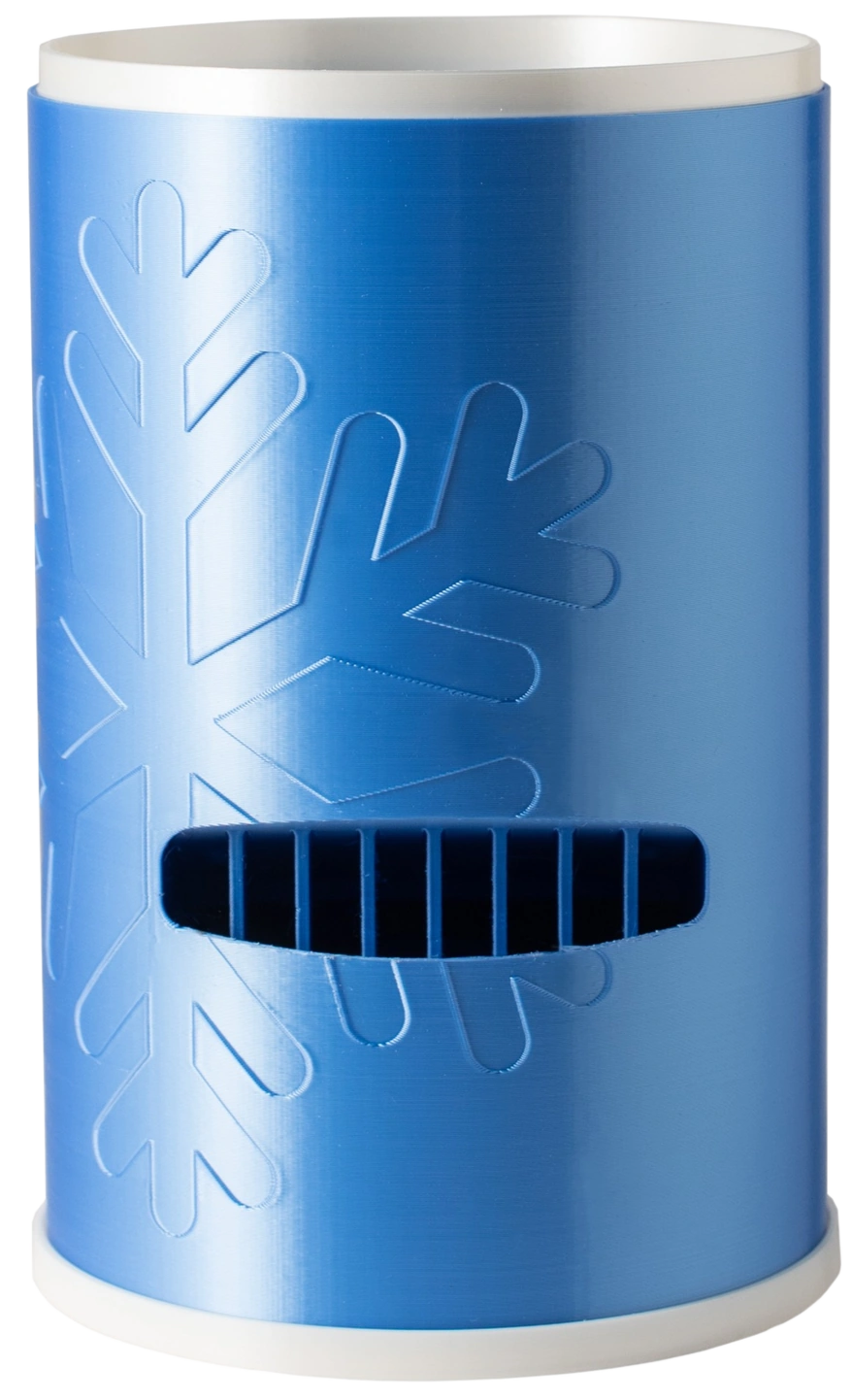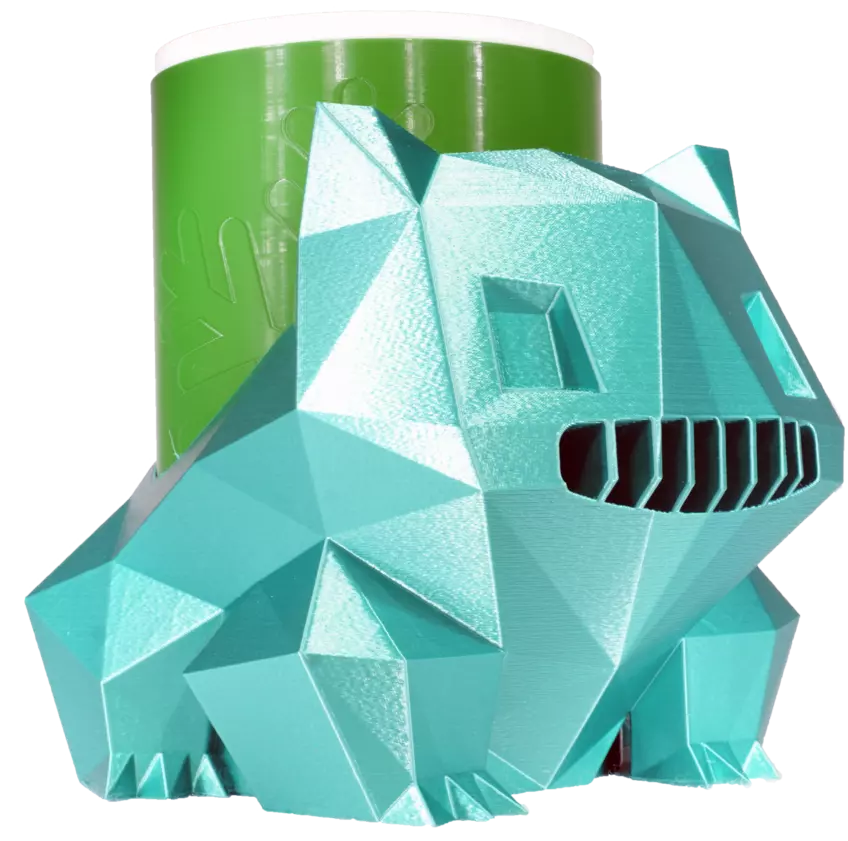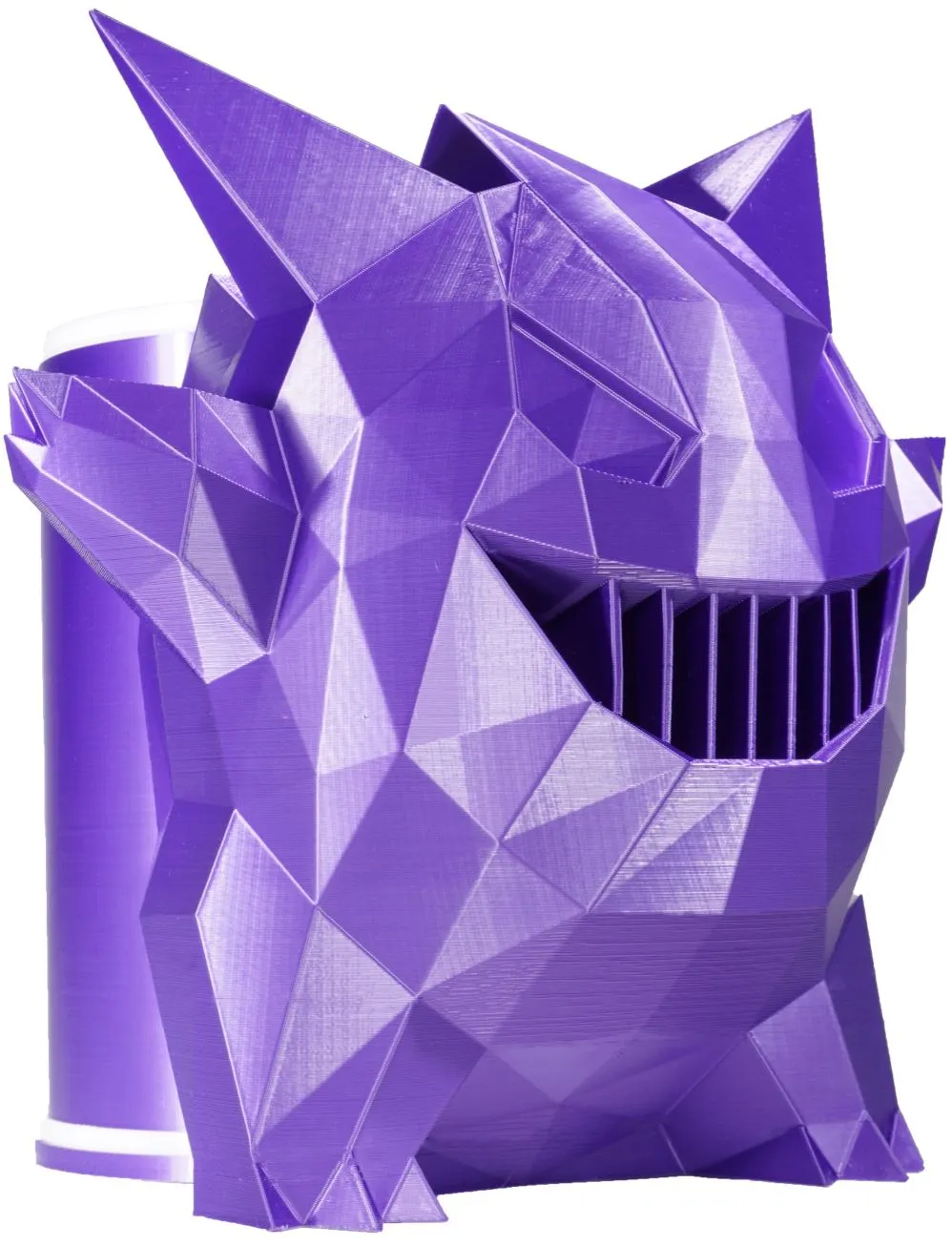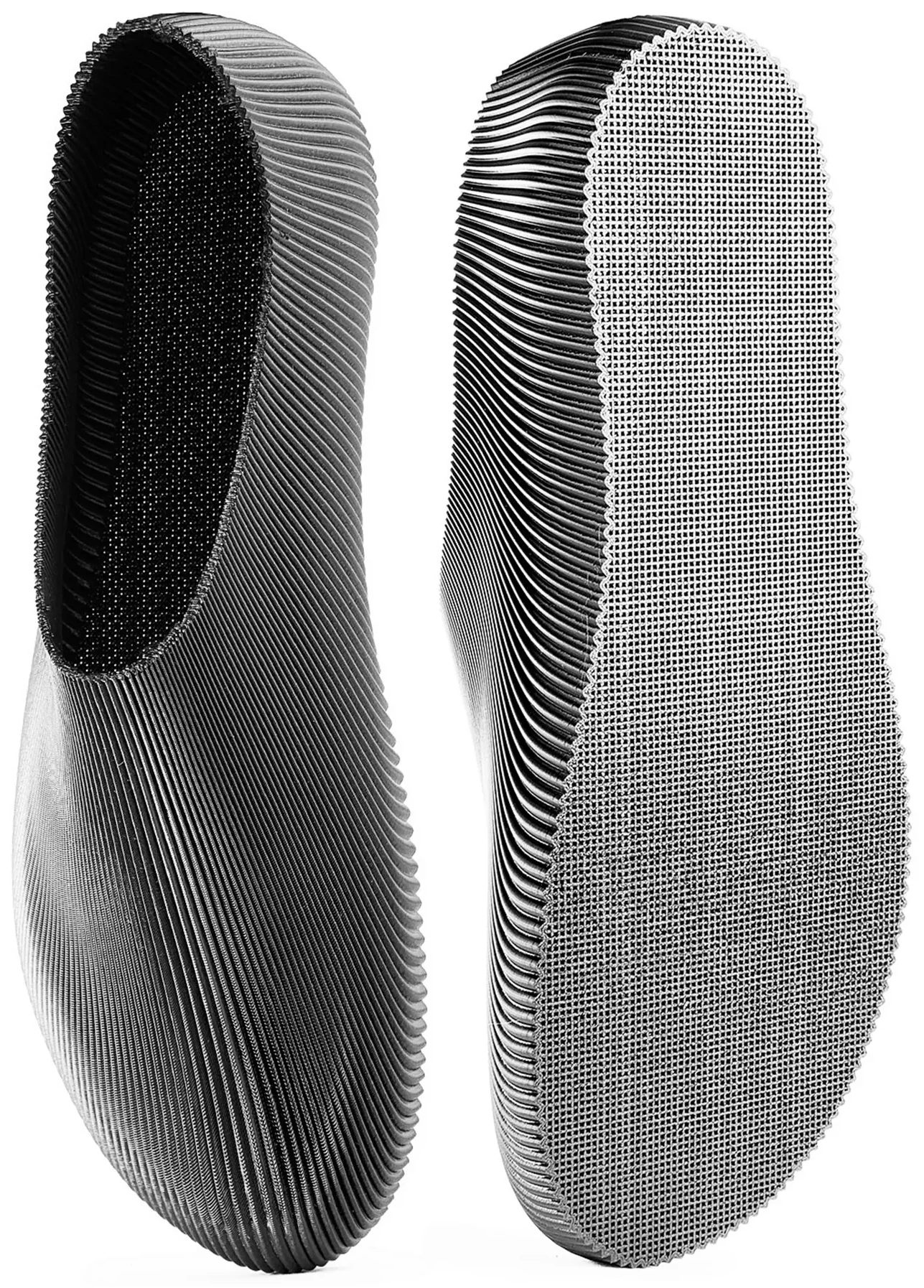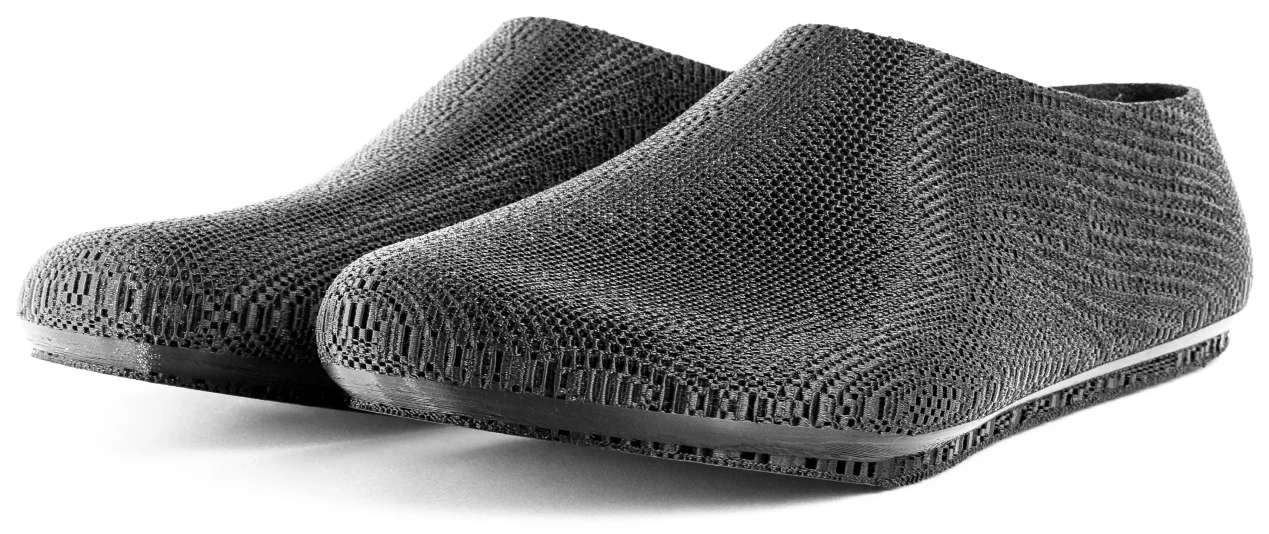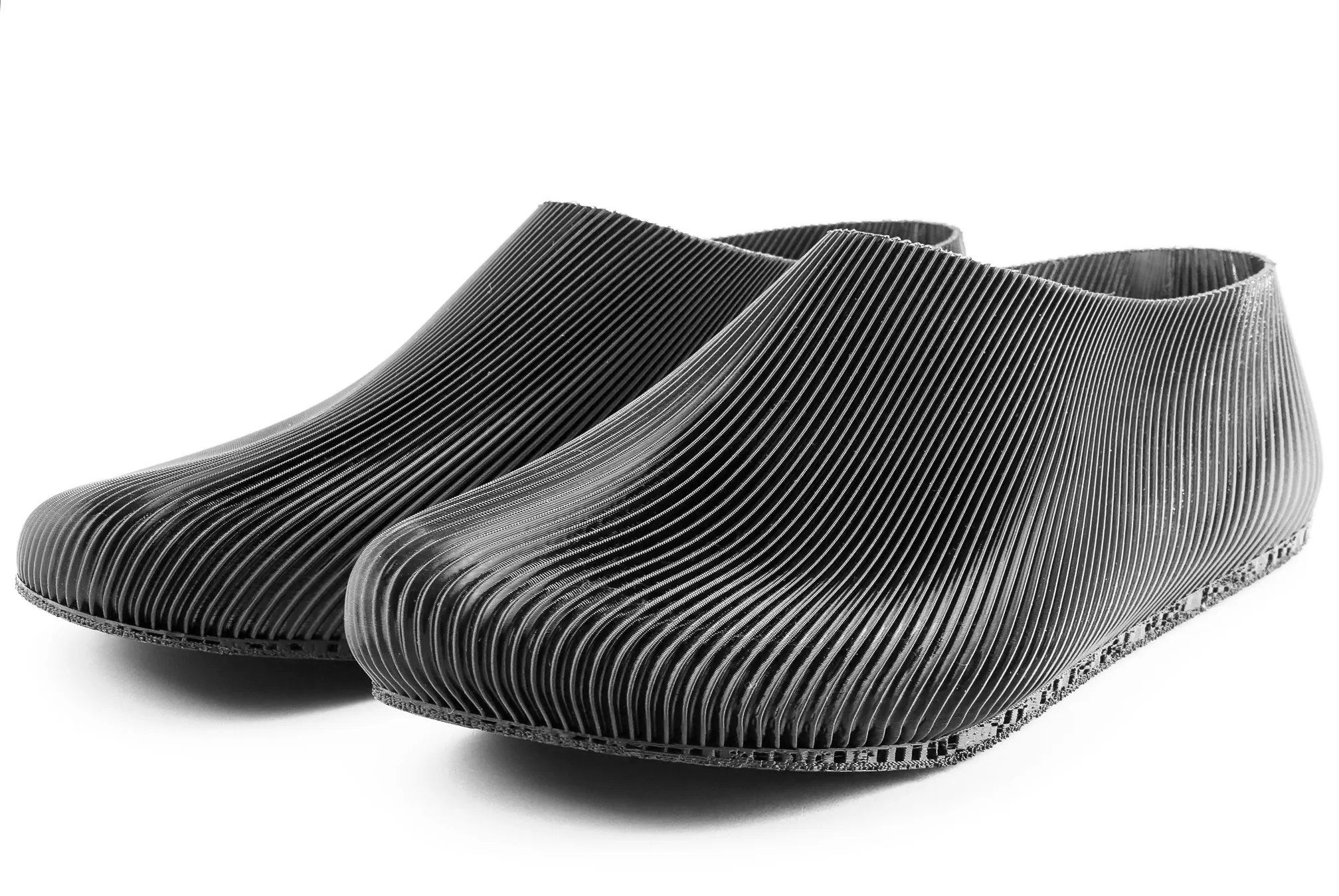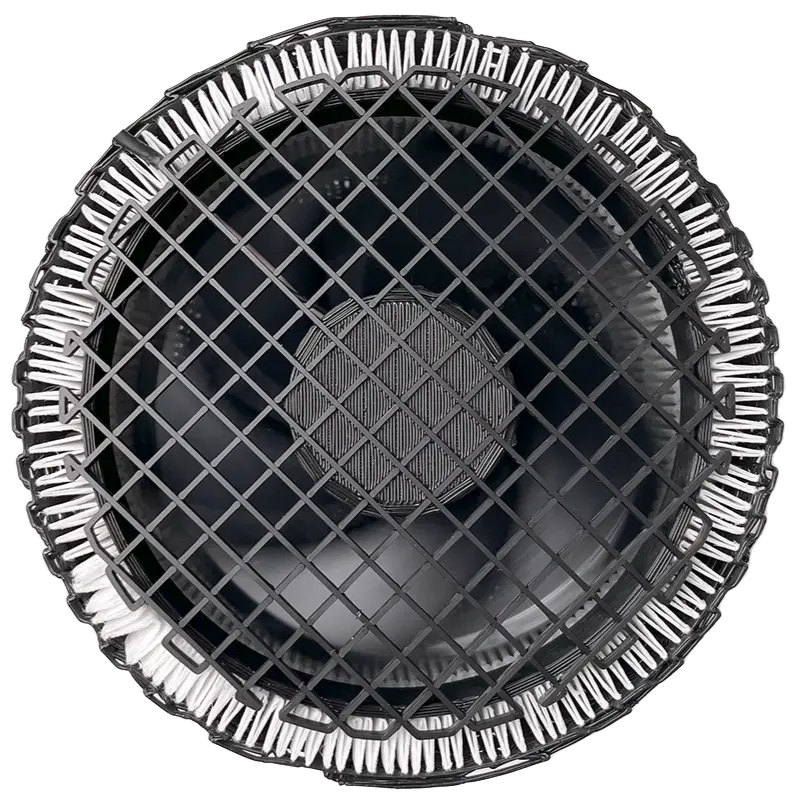
Yuki Mini is the compact version of the frozen-pack air cooler idea: printed body, small fan and water frozen before use. The print has to make that simple workflow reliable instead of turning it into a loose fan pointed at ice.
Slicing matters because Yuki is not one uniform shell. Airflow surfaces, overhangs, fan openings and the pack area do not all want the same settings. The practical goal is a clean air path and a body that can hold the cold mass without unnecessary material.
For River water and cooling designs, polypropylene becomes interesting because it can make watertight parts even with a thin wall. In the Yuki family that property is useful around the water pack; in bottles and filters it becomes even more central.
Polypropylene is demanding. It does not want to stick to a normal build plate, so the plate needs a polypropylene-like surface. River uses transparent tape on the bed because ordinary clear tape is usually polypropylene.
The print also needs to stay slow. If polypropylene is pushed too fast, the part can overheat locally and the result gets worse instead of cleaner. The video workflow should be read with that in mind: slow controlled printing is part of the design, not a minor preference.
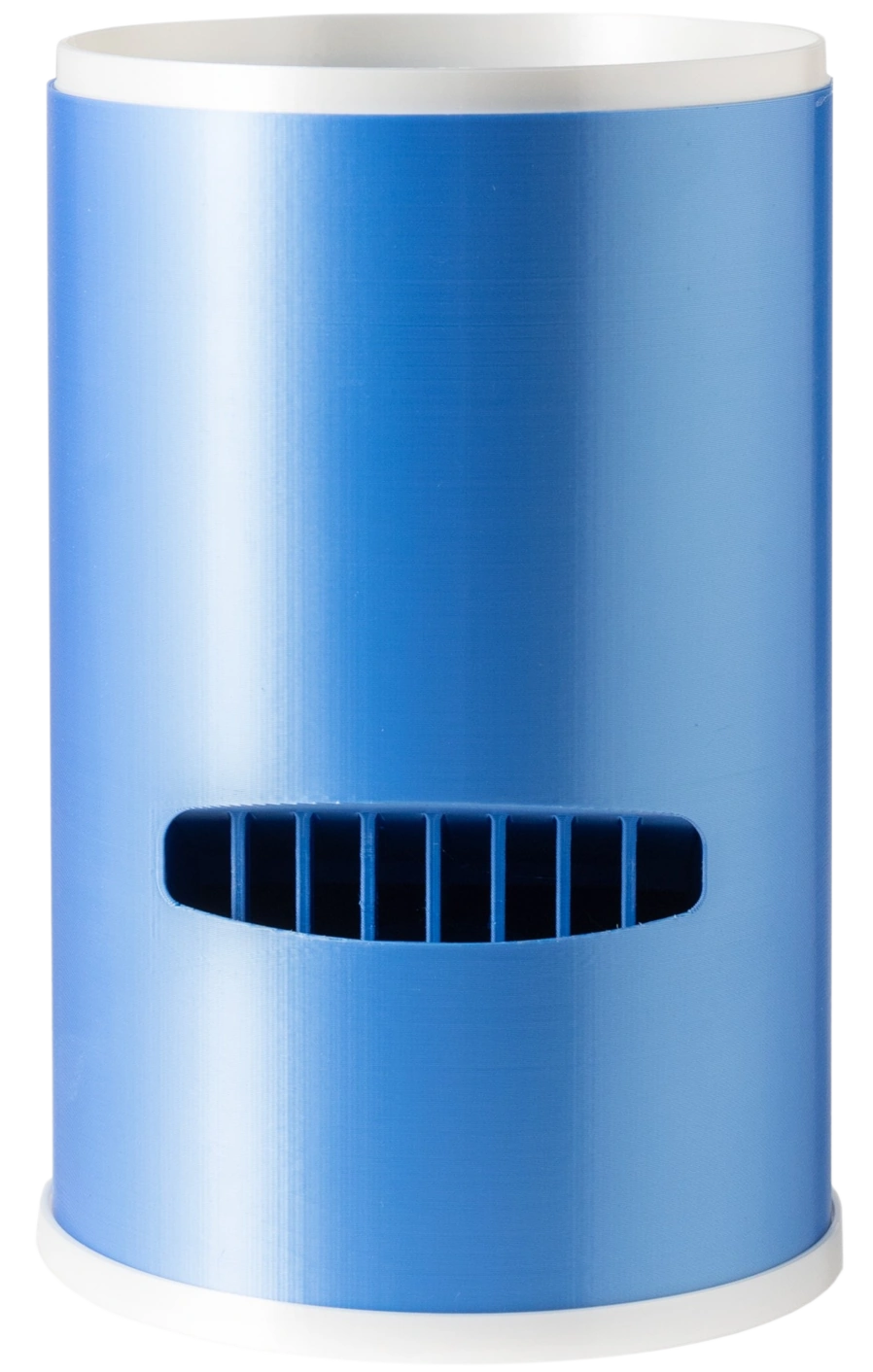
Yuki Mini
A compact personal cooler for desks and small rooms: printed PLA parts, a quiet USB fan and a frozen water pack or bottle. It gives a close, steady stream of cooler, drier air without a compressor or refrigerant loop.
View design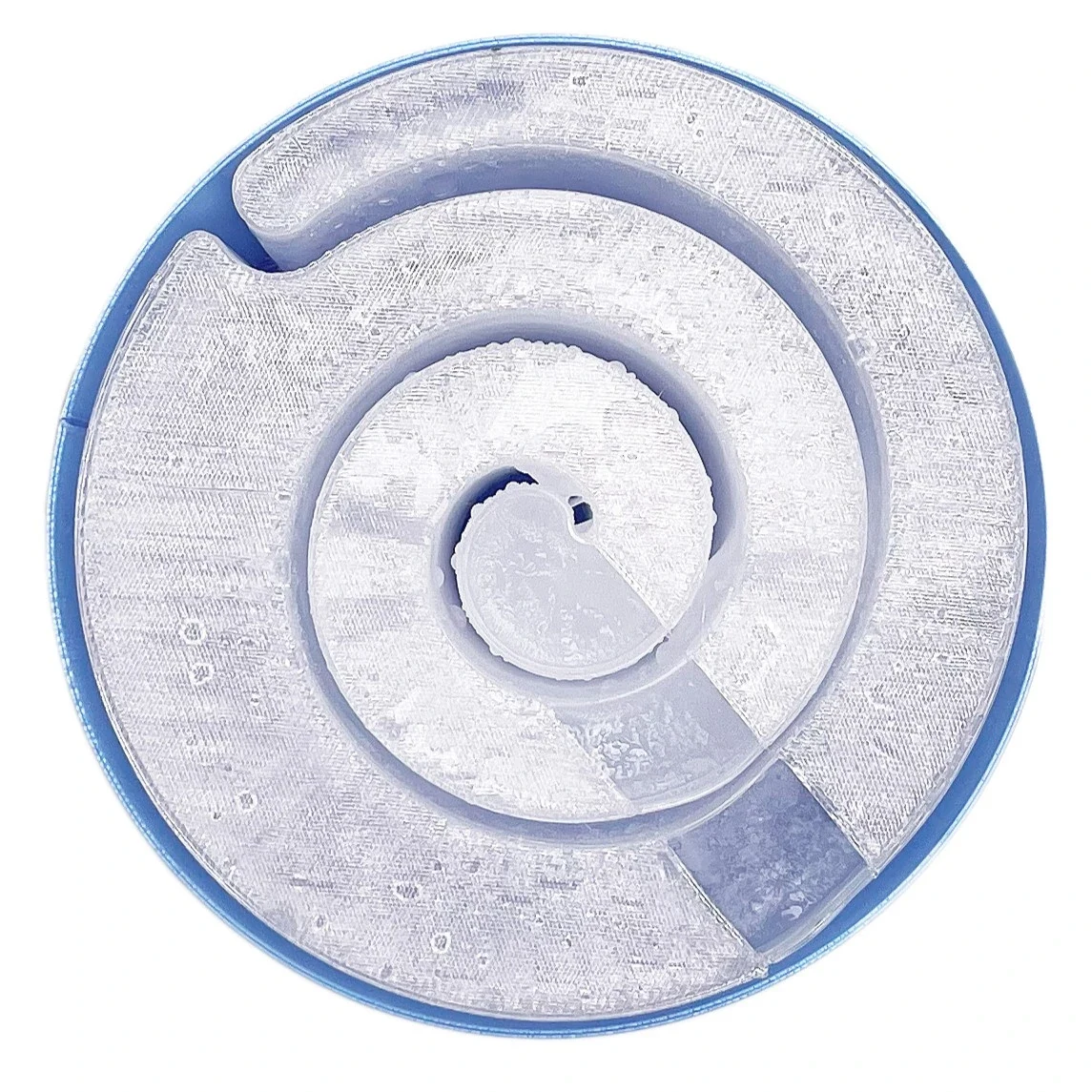
Yuki
A full-size ice-pack air cooler built from printed parts, a quiet USB fan and a frozen water pack. Freeze the pack overnight, place it inside, and Yuki sends a steady cooler stream across the desk with very low power use.
View design